
The Ultimate Guide to Mauritius

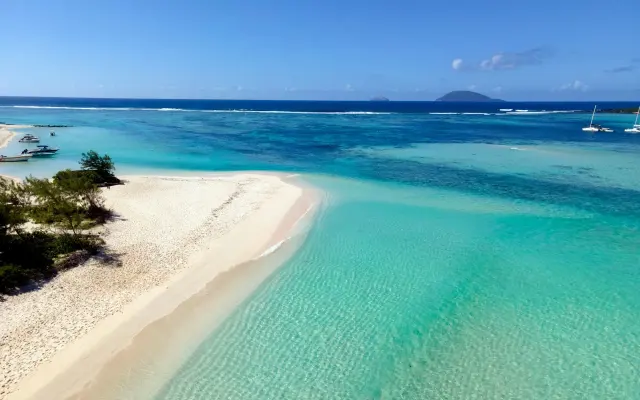
Mauritius is famous for turquoise lagoons, white-sand beaches and luxury resorts, but that is only one version of the island. Drive half an hour inland and the scenery changes to sugarcane fields, volcanic mountains, waterfalls, temples, busy towns and roadside stalls selling dholl puri. Spend a morning in Port Louis and you will hear Creole, French, English and Bhojpuri around the markets. Head south-west and you can hike through native forest, visit one of the island’s most important historical landscapes and still be back beside the lagoon before sunset.
For a first visit, the biggest mistake is treating Mauritius as a resort where you need to choose one beach and stay there for a week. It is a small island, but there is enough variation between the north, west, east, south and central plateau that choosing the right base and planning a few days away from the coast makes a huge difference.
This Mauritius travel guide is designed to help you make those decisions. It covers where to stay, the best time to visit, the places genuinely worth seeing, beaches, food, culture, transport, money, mobile data and the practical things you need to know before flying.
If you already know you are coming for one week, you can also jump straight to our 7-day Mauritius itinerary, which groups the island by area so you spend less of your holiday sitting in traffic.
Mauritius at a Glance
| Question | Quick Answer |
|---|---|
| Best for first-time visitors | Beaches, food, nature, easy road trips and a mix of cultures in a relatively compact island |
| How long should you stay? | 7–10 days is ideal for a first trip; 10–14 days gives you time to slow down |
| Best overall areas to stay | Flic en Flac for a balanced base, Grand Baie for restaurants and nightlife, Trou aux Biches for quieter beach time |
| Best months for comfortable weather | May–June and September–November are excellent all-round periods |
| Currency | Mauritian Rupee (MUR / Rs) |
| Languages you will hear | Mauritian Creole, French, English and several ancestral languages |
| Driving | On the left-hand side of the road |
| Airport | Sir Seewoosagur Ramgoolam International Airport (MRU), in the south-east |
| Mobile data | 4G/5G is widely available; local tourist SIMs and travel eSIMs are easy to arrange |
| Current arrival requirement | Complete the official Mauritius All-in-One Travel Form before flying |
The short version: if this is your first trip, I would stay for at least seven nights, base yourself in the west or north, rent a car for at least part of the holiday, spend one day in Port Louis, one full day exploring the south-west, take one boat trip and deliberately eat outside your hotel several times.
That gives you a much better picture of Mauritius than spending seven days travelling between a resort buffet and the same beach.
When to Visit and Where to Stay
Mauritius is a year-round destination, but there is a real difference between summer and winter. According to Mauritius Meteorological Services, the island has a warm, humid summer from November to April and a relatively cool, drier winter from June to September. May and October are transition months. January and February are generally the hottest months, while February and March are normally the wettest. October is usually the driest month.
That does not mean you should automatically avoid summer. December through March gives you hot sea temperatures, tropical evenings and proper summer weather, but humidity and heavy showers are more likely and tropical cyclones are a seasonal consideration. Winter is much easier for hiking, sightseeing and long days outside, although July and August can feel breezy, particularly on the east and south-east coasts.
For many travellers, May, June, September, October and November offer the best compromise between warm weather, manageable humidity and fewer interruptions. Our detailed best time to visit Mauritius guide breaks down the weather by month, while families travelling in the northern-hemisphere summer can use our guide to Mauritius in July and August.
Choosing where to stay matters almost as much as choosing when to come. Mauritius is compact on a map, but roads are not always fast and driving from one side to the other every day gets tiring.
| Area | Best For | What to Know |
|---|---|---|
| Flic en Flac | First-time visitors, sunsets, restaurants, independent travellers | A practical west-coast base with a long beach and good access to Port Louis and the south-west |
| Grand Baie | Restaurants, nightlife, shopping, boat trips | The busiest tourist centre in the north; convenient but not the place for complete isolation |
| Trou aux Biches / Pereybere | Couples, families and calmer beach holidays | Excellent north-coast lagoons with easy access to Grand Baie |
| Le Morne | Scenery, luxury resorts, kitesurfing and romantic trips | One of the island’s most dramatic settings but relatively isolated |
| Belle Mare | Resort holidays and long quiet beaches | Beautiful east-coast setting; can be breezier, particularly in winter |
| Mahebourg / Blue Bay | Local atmosphere, snorkelling and airport convenience | Quieter and less polished than the main resort areas, in a good way |
If you only want one recommendation, Flic en Flac is probably the easiest all-round base for a first independent trip. Grand Baie makes more sense if restaurants, nightlife and northern-island excursions matter more to you. Le Morne and Belle Mare are better when the hotel and immediate scenery are a major part of the holiday.
For a much deeper comparison, read our guide to the best areas to stay in Mauritius. If you choose the north, we also have a full guide to things to do in Grand Baie.
What Is Actually Worth Seeing in Mauritius?
There is no need to turn your holiday into a checklist. Mauritius works best when you combine several strong experiences with enough time to enjoy the coast. For a one-week trip, I would prioritise the south-west, Port Louis, one northern or eastern day and plenty of unscheduled beach time.
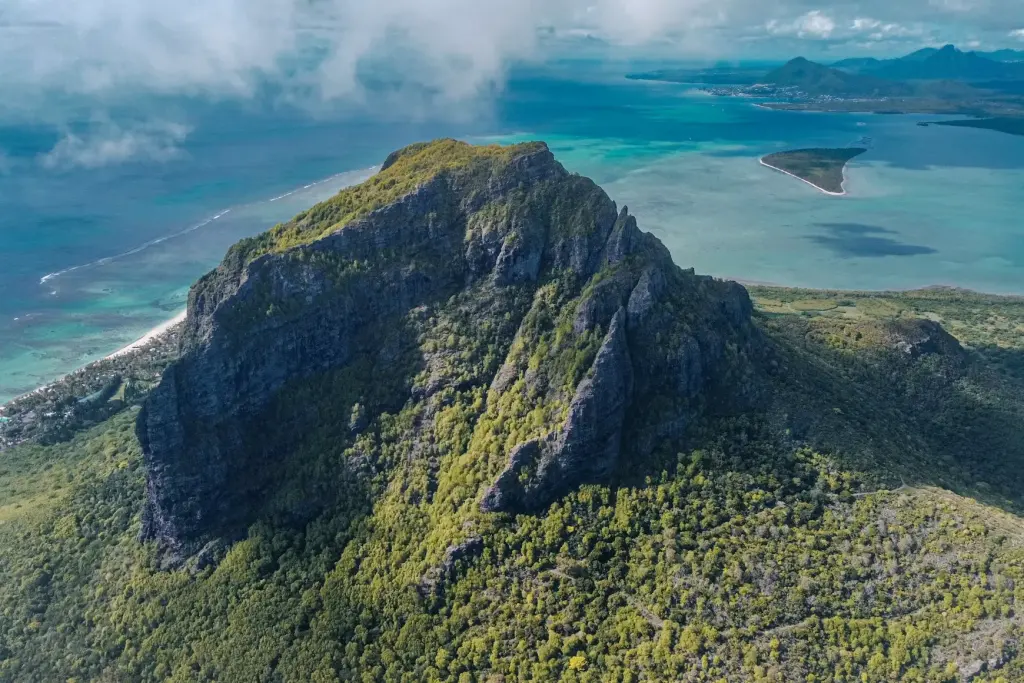
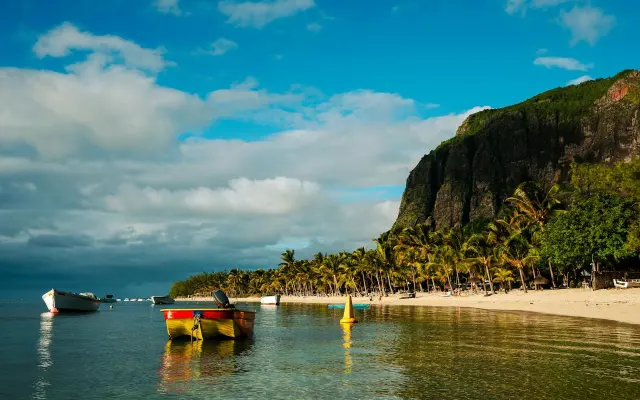
Le Morne Brabant should be near the top of the list. The mountain and surrounding landscape form one of Mauritius’ two UNESCO World Heritage Sites. Le Morne became associated with maroon communities of formerly enslaved people who sought refuge in the isolated mountain landscape during the 18th and early 19th centuries. Today it is both a powerful cultural site and one of the island’s most recognisable landscapes.
You can enjoy the mountain from Le Morne Public Beach without climbing it, while experienced visitors can arrange a hike. Offshore is the famous so-called underwater waterfall. There is no actual waterfall beneath the sea: sand and sediment moving off the shallow shelf create an optical illusion when viewed from above. A helicopter or scenic flight gives the clearest view.
From Le Morne, it makes sense to continue inland towards Chamarel. The Seven Coloured Earth is formed from weathered volcanic material, while the nearby Chamarel Waterfall drops through a steep green gorge. The landscape is particularly photogenic, but the broader south-west route is what makes the day worthwhile. Combine Chamarel with viewpoints, Black River Gorges, Le Morne and possibly Ganga Talao rather than driving across the island for the coloured earth alone.
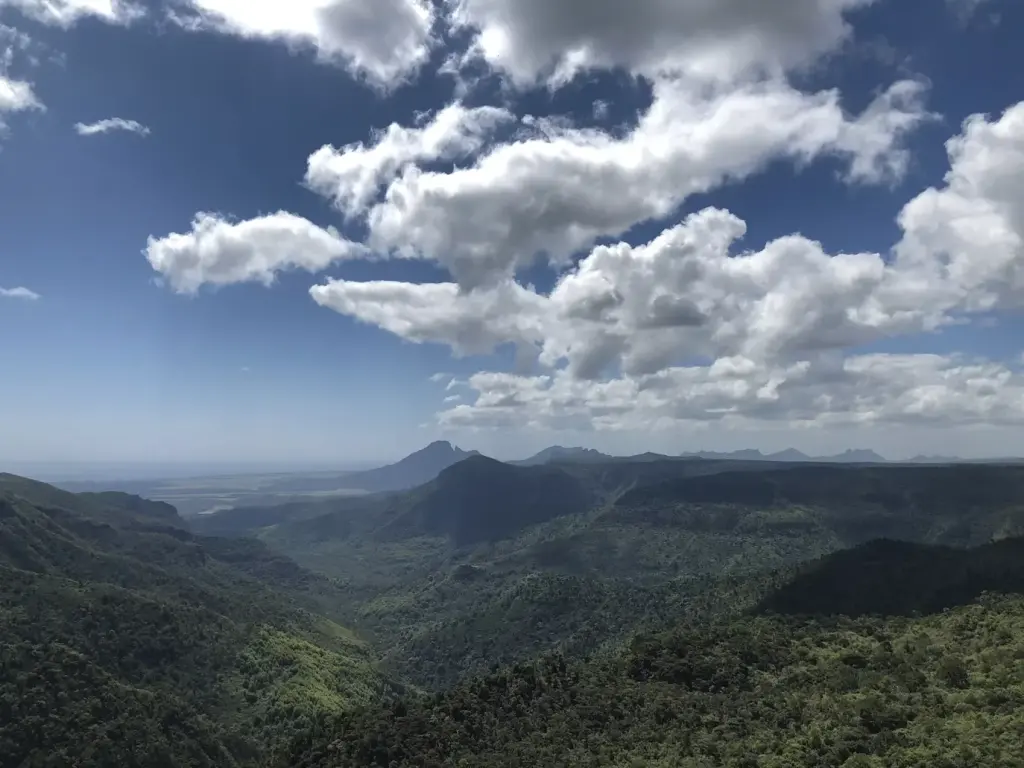
Black River Gorges National Park is where Mauritius stops looking like a beach destination altogether. Trails and viewpoints cut through forest that protects remnants of the island’s native ecosystem. Mauritius has an extraordinary conservation history because several endemic species came dangerously close to extinction before intensive recovery programmes began. Even if you are not a serious hiker, the viewpoints and shorter walks make the park worth including.
For history, spend at least half a day in Port Louis. Aapravasi Ghat, Mauritius’ other UNESCO World Heritage Site, preserves part of the immigration depot connected with the expansion of indentured labour after the abolition of slavery. UNESCO records that almost half a million indentured labourers arrived from India through Mauritius between 1834 and 1920, with some later travelling onward to other colonies.
It is one of those places that changes how you understand the island. Much of modern Mauritius, from its languages and religions to its food and family histories, makes more sense once you understand slavery, indenture and the sugar industry. Our article on how sugar shaped Mauritius connects these parts of the island’s history in more detail.
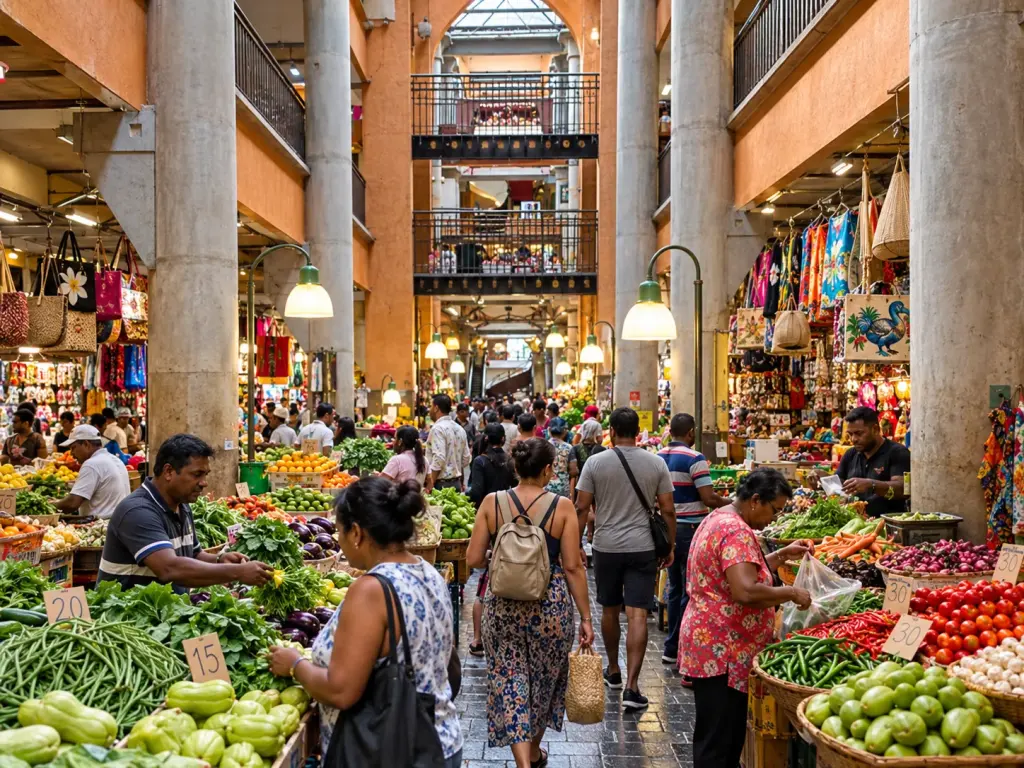
Do not leave Port Louis immediately after visiting the historical sites. Walk through the market area and Chinatown, try a few local snacks and watch an ordinary working day unfold. Our Port Louis street food guide is useful if you want a simple route through the city without eating randomly.
Other experiences worth making room for include Ganga Talao, one of the island’s most important Hindu pilgrimage sites; Pamplemousses Botanical Garden in the north; the fishing-village atmosphere around Mahebourg; and a local market. The best markets in Mauritius guide compares the main choices, while our Mahebourg Market guide is especially useful if you want something less resort-oriented.
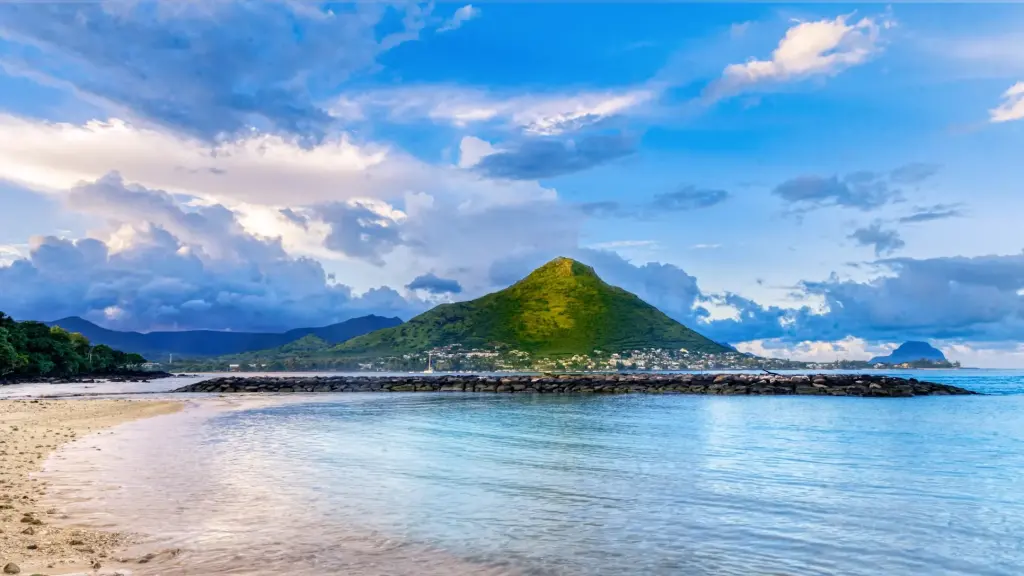
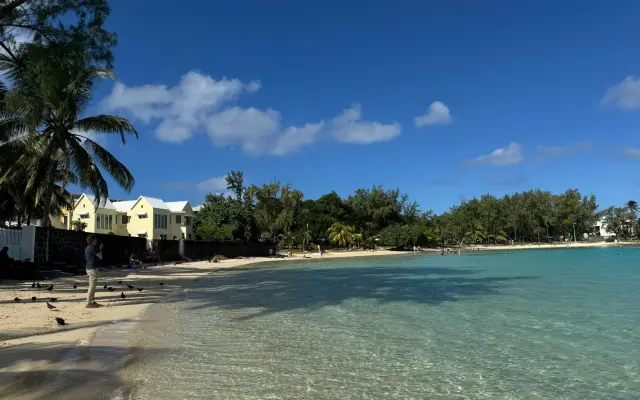
For the ocean, there is no single “best beach”. Trou aux Biches and Pereybere are strong choices in the north, Flic en Flac is practical and beautiful at sunset, Belle Mare gives you a much longer and quieter east-coast feel, Le Morne combines mountain scenery with the lagoon, and Blue Bay is particularly interesting if snorkelling matters to you.
Our best beaches in Mauritius guide covers these individually. One useful thing to know is that Mauritian authorities reaffirmed in 2026 that the shoreline is part of the public domain and visitors as well as residents have a right to use the beach. A hotel beside a beach does not turn the sand into its private property, although that does not give you the right to walk through private hotel buildings or use hotel facilities.
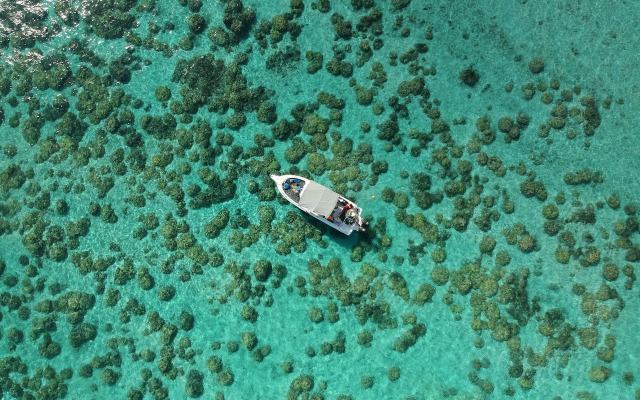
If you enjoy being in the water rather than looking at it, use our guide to the best snorkelling spots in Mauritius. Blue Bay Marine Park is an obvious starting point. Dolphin-watching excursions are concentrated mainly around the west and south-west, and our Mauritius dolphin guide explains the main departure areas.
The Mauritius You Find Through Food and Culture
If you eat every meal inside a resort, you will leave Mauritius having seen the island but not necessarily understood it. Mauritian food is one of the easiest ways to see how African, Malagasy, Indian, Chinese and European histories became something local rather than remaining separate cuisines.
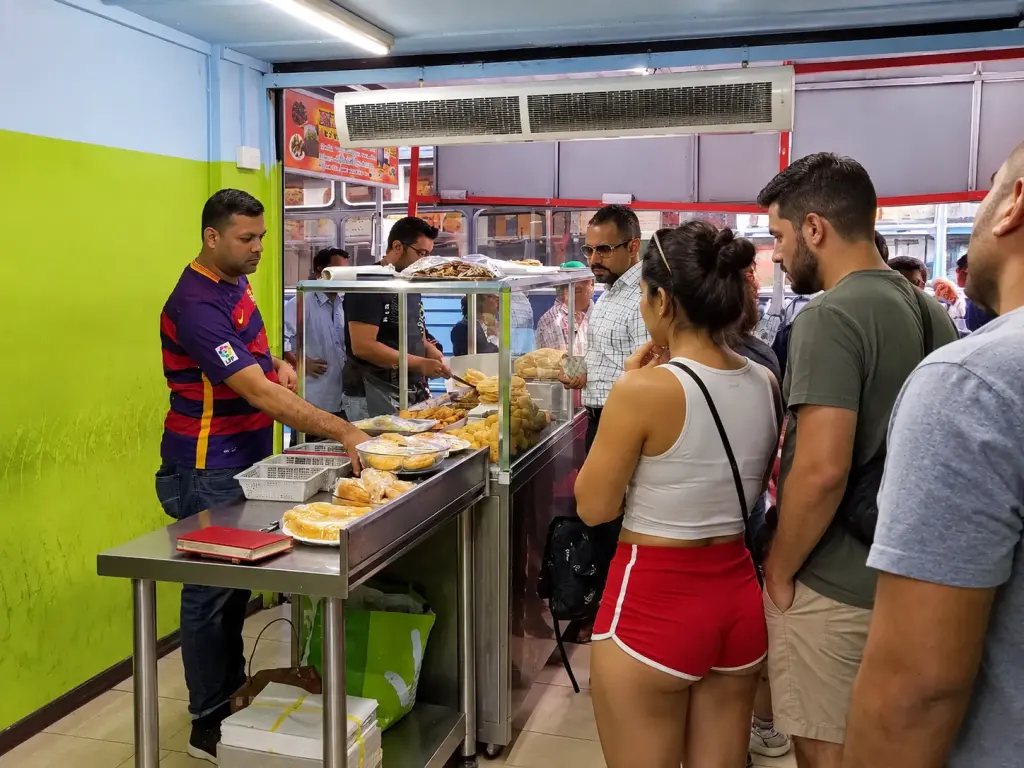
Start with dholl puri: thin flatbread filled with ground split peas and usually served in pairs with bean curry, rougaille, pickles and chilli. Then try farata, gateaux piments, boulettes, briani, fried noodles, bol renversé and alouda. None of these requires a fine-dining budget. Some of the most characteristic food on the island is sold from small counters, market stalls and roadside vendors.
Our 10 foods to try in Mauritius is a useful starting list, while the Mauritius street food prices guide gives realistic current price ranges so you know what locals normally pay.
Mauritian culture works in much the same way as the food. Hindu temples, Catholic churches, mosques and Chinese pagodas are part of everyday life rather than isolated tourist attractions. Religious festivals shape the calendar, and different communities regularly participate in or respect one another’s celebrations. Mauritian Creole is the language you will hear constantly in daily conversation, while French is widespread and English is used extensively in administration, education and tourism.
If you want more context before visiting temples, markets or villages, read our guide to Mauritian culture. A little Creole also goes a long way. You do not need to speak it fluently, but simple greetings and a willingness to engage usually make everyday interactions warmer.
Getting Around, Money and Staying Connected
Mauritius is easy enough to explore independently, but you should not underestimate driving times. Roads become congested around Port Louis and the central urban corridor, and coastal roads can be slower than they appear on a map.
For travellers who want to explore several parts of the island, renting a car is usually the most flexible option. Mauritius drives on the left. Roads are generally paved, but villages can have narrow streets, parking can be awkward in busy towns and local driving may feel assertive if you are used to quiet roads. Read our driving in Mauritius guide before deciding whether it is for you.
Buses are dramatically cheaper and are a much more local experience. They work well when you have time and are travelling between major towns or nearby villages, but they are less convenient for packing several attractions into a single day. Services also become limited later in the evening in many coastal areas. Our Mauritius bus guide covers fares and routes, while the broader transport guide compares buses, the Metro Express, taxis and driving.
For spending money, the local currency is the Mauritian Rupee. Cards are widely useful in hotels, supermarkets, shopping centres and established restaurants, but cash remains valuable for buses, markets, street food and smaller businesses. Carrying a few smaller notes rather than relying on one large denomination makes everyday purchases much easier.
Mauritius is also more flexible on budget than its luxury-resort reputation suggests. Based on current 2026 prices, an independent budget traveller can realistically spend around USD 50–80 per day on-island, while a comfortable mid-range trip is more likely to fall around USD 120–200 per person per day. Luxury resorts, private tours and transfers can push costs well above USD 300 per person per day. These are planning ranges rather than fixed prices, and flights are not included.
Our Mauritius travel budget guide has a much more detailed breakdown of hotels, food, activities and transport.
Mobile internet is easy to arrange. my.t and Emtel both provide local services, while travel eSIMs let you install data before you land. If you want the least hassle for a shorter holiday, see our comparison of the best eSIMs for Mauritius. For longer stays and remote work, our internet in Mauritius guide covers local mobile and fixed connections in more depth.
Before You Fly: Entry Rules and Practical Things People Forget
Do not rely on an old travel blog for entry requirements. Mauritius’ rules vary by nationality, and the Passport and Immigration Office should always be checked before booking if you are unsure whether you require a visa.
For entry, travellers may be asked to show a valid passport that remains valid beyond the intended stay, a return or onward ticket, confirmed accommodation and evidence that they can support themselves during the visit. Our Mauritius visa requirements guide explains the main categories, but official immigration information should take priority if your circumstances are unusual.
There is also an important 2026 change: travellers flying to Mauritius are required to complete the Mauritius All-in-One Travel Form before travel. Use the official government website at Safe Mauritius. The form is free. Be cautious of third-party websites trying to charge you for completing it.
At the other end of the trip, tourists making qualifying purchases may be eligible for a VAT refund. The system has specific requirements and does not mean you automatically get 15% back from every receipt. If shopping is part of your trip, read our Mauritius VAT refund guide before your final airport day and our guide to what to buy in Mauritius before filling your suitcase.
A few other practical tips make a surprising difference. Bring high-SPF sunscreen even in winter because tropical UV remains strong. Reef shoes are useful on beaches where broken coral or sea urchins occur. Keep some cash for buses and small vendors. Do not schedule a long cross-island drive immediately before your flight. If you are taking a boat trip, use a licensed operator and check that life jackets are available.
For hiking, proper footwear is much more useful than flip-flops despite what Instagram may suggest. Weather can also change quickly in the higher interior even when the coast is sunny, so a light waterproof layer is useful on hiking days.
Most importantly, leave some room in the itinerary. Mauritius is not large enough to require military-level planning. Some of the best days are simply a market in the morning, a roadside lunch and an unplanned beach in the afternoon.
How Many Days Do You Need in Mauritius?
Five days is enough for a beach-focused break with one or two excursions, but you will have to choose your priorities carefully. Seven days is the minimum I would recommend for a proper first visit. It gives you time for the north or west coast, Port Louis, the south-west and at least a couple of slower beach days.
Ten days is probably the sweet spot. You can explore without turning every day into a road trip, and it becomes practical to divide the trip between two parts of the island. Two weeks gives you enough time to include less obvious areas such as Mahebourg, the east coast, central towns and additional hiking or diving days.
| Trip Length | What It Suits |
|---|---|
| 3–5 days | Resort break plus one or two major excursions |
| 7 days | A strong first introduction to beaches, culture and the south-west |
| 10 days | Best balance for most first-time visitors |
| 14 days | Slow travel, two bases, more beaches, hiking and local towns |
For a week, a sensible rhythm is: north coast, Port Louis, east-coast or island excursion, south-west nature day, west-coast beach day and then two flexible days. That is essentially the logic behind our one-week Mauritius itinerary.
Frequently Asked Questions
Is Mauritius worth visiting?
Yes, particularly if you want a tropical destination that offers more than beaches. Mauritius combines good swimming lagoons with hiking, volcanic scenery, food, markets, religious sites and a complicated history that is visible across the island. It is also relatively straightforward to explore independently.
What is Mauritius best known for?
Mauritius is best known internationally for its beaches, lagoons and luxury resorts, but Le Morne Brabant, Chamarel, Black River Gorges, Port Louis, Aapravasi Ghat, Ganga Talao and its multicultural food scene are equally important parts of a first trip.
What is the best month to visit Mauritius?
There is no single best month for everyone. May, June, September, October and November are particularly good all-round choices. January and February are hotter and more humid, while July and August are cooler and can be windier, especially in the east and south-east.
Is Mauritius expensive?
It can be, but it does not have to be. Luxury resorts and private transfers are expensive, while guesthouses, self-catering apartments, street food, buses and public beaches make independent travel considerably cheaper. A current budget trip can be possible from roughly USD 50–80 per person per day excluding international flights.
Which side of Mauritius is best for tourists?
The west and north are usually easiest for first-time independent travellers. Flic en Flac gives you a practical central west-coast base, while Grand Baie has the widest concentration of restaurants, shops and nightlife. The east and south-west are excellent for resorts and scenery but can feel more isolated.
Do you need a car in Mauritius?
No, but a car makes sightseeing much easier. Buses are inexpensive and connect most populated areas, but a rental car is more practical if you want to visit several attractions in the same day or reach beaches and viewpoints away from major routes.
Are Mauritius beaches private?
The Mauritian government has reaffirmed that the seashore is part of the public domain and visitors can use the beach free of charge. A beachfront hotel cannot own the shoreline itself. You must still use lawful access routes and cannot use private hotel facilities without permission.
What food should I try in Mauritius?
Start with dholl puri, farata, gateaux piments, boulettes, briani, fried noodles, rougaille, bol renversé and alouda. The food varies between Creole, Indian, Chinese and French-influenced traditions, and the best way to experience it is to mix restaurants with street stalls and markets.
What language is spoken in Mauritius?
Mauritian Creole is the language most commonly heard in everyday conversation. French is also extremely widespread, while English is heavily used in administration, education and tourism. Visitors who speak only English can generally travel without difficulty.
Is one week enough for Mauritius?
Yes. Seven days is enough for a first trip if you plan geographically and do not try to visit every corner of the island. Ten days is better if you want more beach time between sightseeing days.
If you are still planning your trip, the most useful next reads are our weather and best-time guide, where to stay in Mauritius, 2026 travel budget, 7-day itinerary and guide to the best beaches.
Tours and activities in Mauritius
Hand-picked from GetYourGuide. Free cancellation on most bookings.
Some links on this page are affiliate links. If you book through them we may earn a small commission, at no extra cost to you. It helps keep Creole Mauritius free.
Questions and tips