
A Simple Guide to Mauritian Culture for Visitors
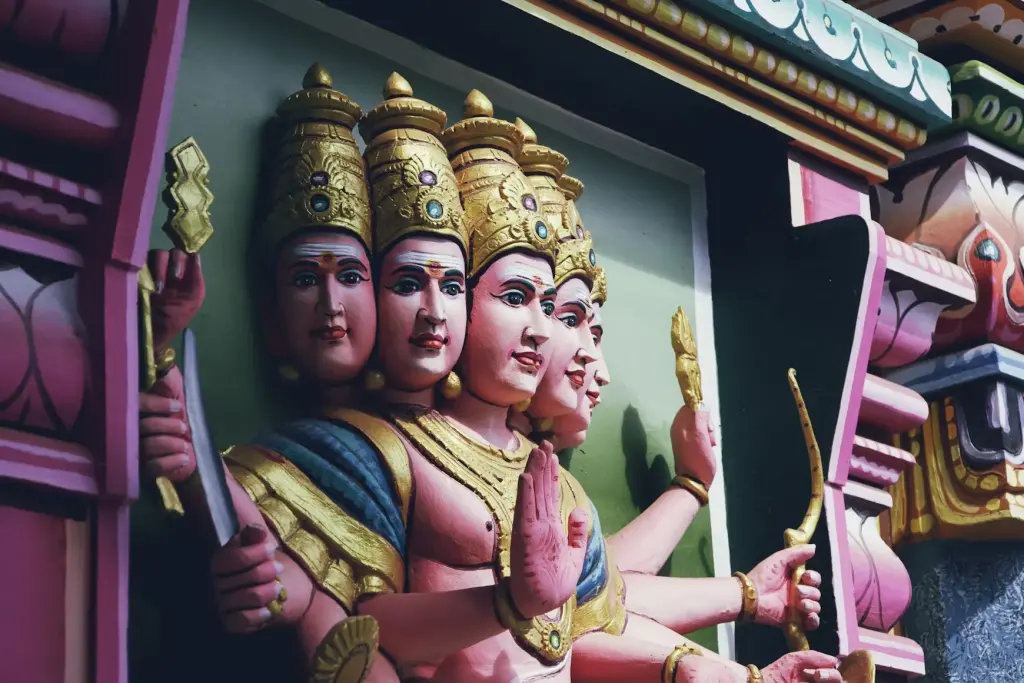
Some links on this page are affiliate links. If you book through them we may earn a small commission, at no extra cost to you. It helps keep Creole Mauritius free.
Mauritian culture is a mix of African and Malagasy heritage, Indian migration, Chinese influence and centuries of French and British colonial history. You see that mixture everywhere: Mauritian Creole is the everyday language, Hindu temples stand alongside churches and mosques, Sega music has roots in the history of slavery, and an ordinary lunch might include Indian-inspired flatbreads, Creole rougaille or Chinese-Mauritian noodles.
What makes Mauritius interesting is that these influences did not simply remain separate. Over generations they developed into a shared culture that is distinctly Mauritian. People may have very different religions, family histories and traditions, but they often speak the same Creole, eat many of the same foods and share the same schools, towns, beaches and national celebrations.
If you are visiting Mauritius, you do not need to memorise hundreds of customs before arriving. Understanding a few things about the people, language, religion, food and basic etiquette will already make your trip much more meaningful.
For the history behind this multicultural population, start with our guide to who the Mauritians are and where their ancestors came from.
Mauritian Culture at a Glance
| Part of Culture | What to Know |
|---|---|
| Everyday language | Mauritian Creole, or Kreol Morisien, is spoken in most homes |
| Other important languages | French and English are widely used; Bhojpuri and several ancestral Asian languages remain culturally important |
| Main religions | Hinduism, Christianity and Islam, alongside smaller Chinese, Buddhist and other communities |
| Food | A mixture of Indian, Creole, Chinese, African and European influences |
| Traditional music | Sega, particularly Sega Tipik, is one of the strongest symbols of Mauritian identity |
| Social culture | Family, hospitality, food and religious celebrations remain important in everyday life |
| Visitor etiquette | Dress respectfully at religious sites, remove shoes where requested and ask before photographing ceremonies |
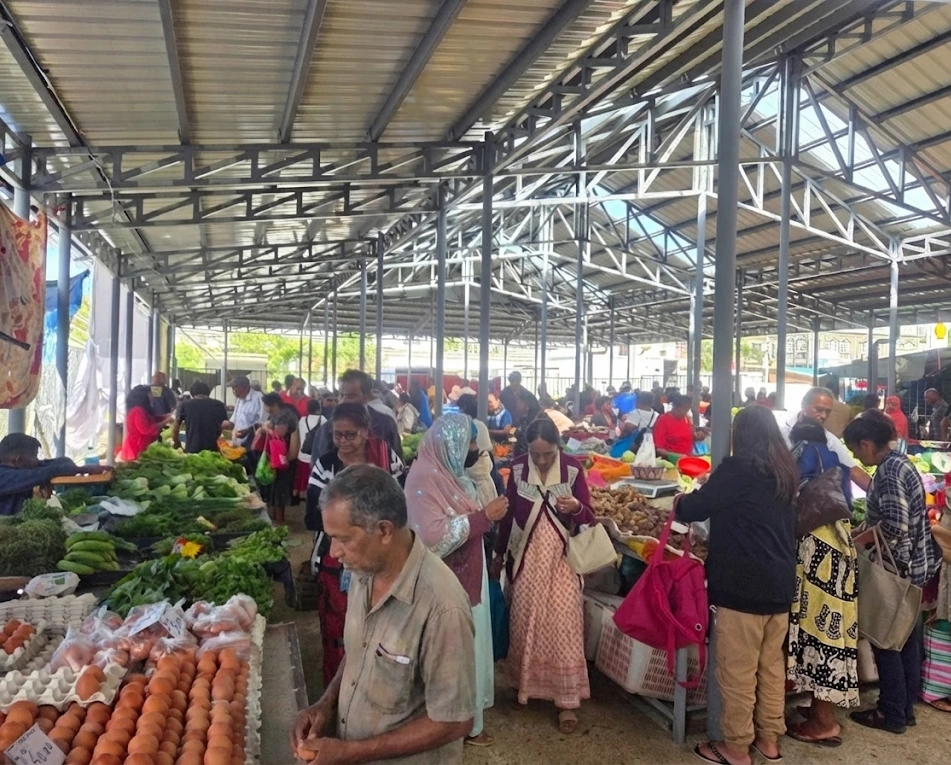
The People, Language and Everyday Life
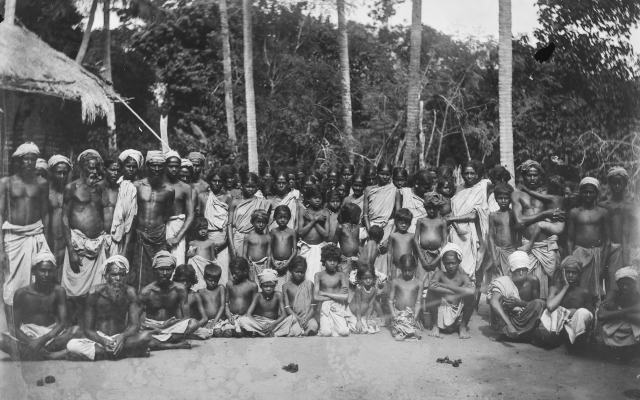
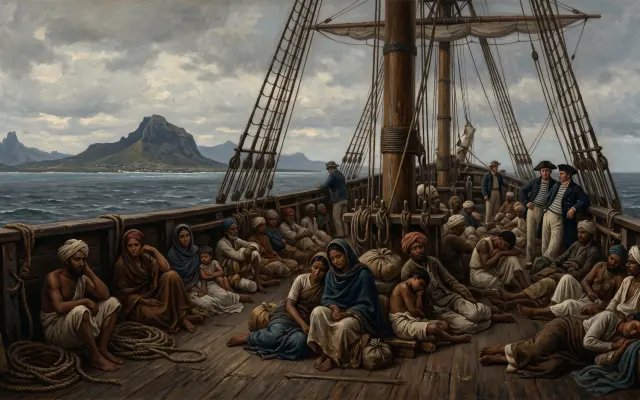
There is no single ethnic background that defines a Mauritian. Modern Mauritius was populated through several centuries of settlement, slavery, indentured labour and migration. African and Malagasy people were brought to the island during the slavery period, large numbers of workers later arrived from India under the indenture system, Chinese families established trading communities, and descendants of European settlers remained on the island. Over time, these histories became intertwined.
That diversity is still visible in family traditions and religion, but perhaps the strongest everyday connection is Mauritian Creole, or Kreol Morisien. According to the 2022 Population Census, 90% of people reported speaking only Creole at home. Bhojpuri accounted for 5.1%, French 4.4% and English 0.6% when residents were asked which language they most often used at home.
Mauritian Creole developed from French in a multilingual colonial society and became the language people used to communicate across communities. Today it is the language you are most likely to hear between friends, families, market vendors, bus passengers and colleagues. French is also extremely common in media and everyday communication, while English has an important role in government, education and business. The Constitution specifically makes English the official language of the National Assembly, although members may also address it in French.
Many Mauritians therefore move naturally between languages depending on where they are and who they are speaking to. A conversation may begin in Creole, include a French expression and switch into English without anybody thinking much about it.
You do not need Creole to travel around Mauritius, but even a few words help. Bonzur means hello, mersi means thank you, and ki manyer? is a common way of asking how someone is. You can learn more through our Mauritian Creole vocabulary and Creole lessons.
Family remains important across Mauritian communities, although it is best not to generalise every household in the same way. Extended families often remain closely connected, weddings and religious celebrations can bring large groups of relatives together, and weekend meals are still important social occasions for many families. Hospitality is also a noticeable part of life: being offered tea, food or something to drink when visiting someone’s home is common.
Religion and Festivals in Mauritius
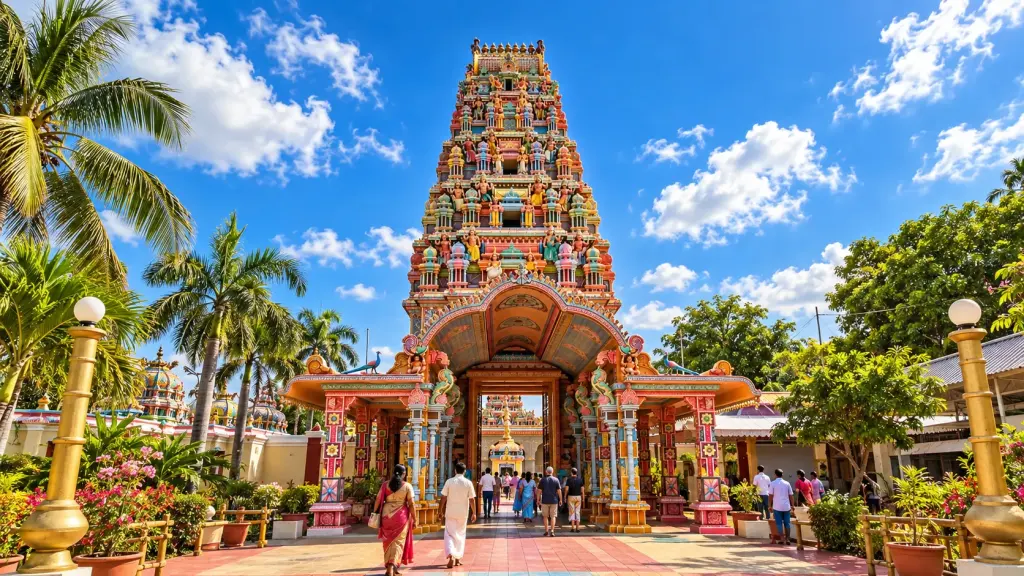
Religion is one of the most visible parts of Mauritian culture. The latest detailed census shows that approximately 47.9% of the population of the Republic of Mauritius is Hindu, 32.3% Christian and 18.2% Muslim, with smaller Buddhist, Chinese and other religious communities. Those percentages reflect the island’s history of migration, but each broad category also contains considerable diversity.
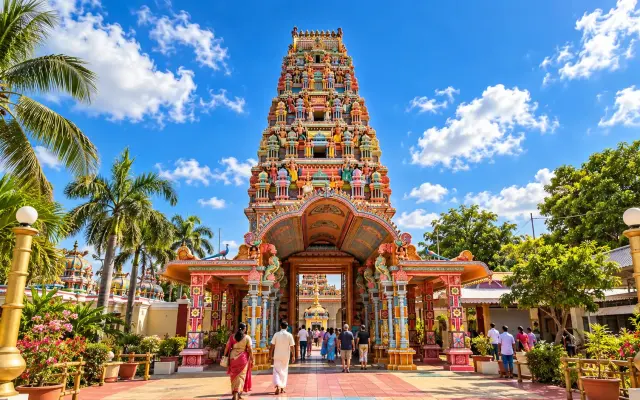
Hindu traditions include communities with Bhojpuri, Tamil, Telugu and Marathi heritage, among others. Roman Catholicism is the largest Christian denomination, alongside Anglican, Pentecostal and other Christian churches. Mauritius also has a long-established Muslim population and a smaller Chinese religious heritage visible through temples and pagodas, particularly in Port Louis.
This diversity is especially obvious in the national calendar. Public holidays include Hindu celebrations such as Maha Shivaratree, Thaipoosam Cavadee, Ugaadi, Ganesh Chaturthi and Divali, alongside Eid-ul-Fitr, the Chinese Spring Festival, the Assumption and Christmas. The result is that religious festivals are not hidden inside private communities; they frequently affect schools, roads, workplaces and public life across the island.
During Maha Shivaratree, for example, large numbers of Hindu pilgrims travel towards Ganga Talao, many walking while carrying decorated kanwars. Thaipoosam Cavadee is particularly associated with Tamil Hindu devotion and is known for processions and acts of penance. During Divali, homes are illuminated and sweets are frequently exchanged with neighbours. Eid brings family meals and religious gatherings, while Christmas is celebrated both religiously and more broadly as part of the end-of-year festive season.
It is tempting to describe Mauritius as a place of perfect religious harmony, but that oversimplifies a real society. Religious and communal differences have sometimes overlapped with politics and social tensions. What is more useful to understand is that several large faith communities have lived alongside one another for generations and have become embedded in the country’s institutions and everyday life.
Our updated guide to religion in Mauritius has the full 2022 census figures and explains the major faiths in more detail. You can also read specifically about Hinduism in Mauritius or see how religion, food and family traditions come together in a Hindu Mauritian wedding.
Food and Music Tell the Mauritian Story Best
If you want to understand Mauritian culture without reading a history book, start eating. Mauritian cuisine developed from exactly the same migrations that shaped the population. Indian traditions contributed curries, flatbreads, spices and briani; Chinese-Mauritian cooking brought noodles, fried rice, dumplings and dishes such as bol renversé; French and Creole influences appear in rougaille, daubes and sauces; and African and Malagasy heritage is part of the deeper Creole food tradition.
Dholl puri is probably the island’s most recognisable street food. Thin flatbreads filled with ground yellow split peas are usually served with bean curry, rougaille, pickles and chilli. Farata, gateaux piments, boulettes, briani, fried noodles, bol renversé and alouda are equally useful introductions to everyday Mauritian eating.
The interesting thing is that Mauritians generally do not think of these foods as belonging to completely separate foreign cuisines anymore. A person might eat dholl puri for lunch, Chinese-style noodles in the evening and gateaux piments the following morning, with all three regarded simply as Mauritian food.
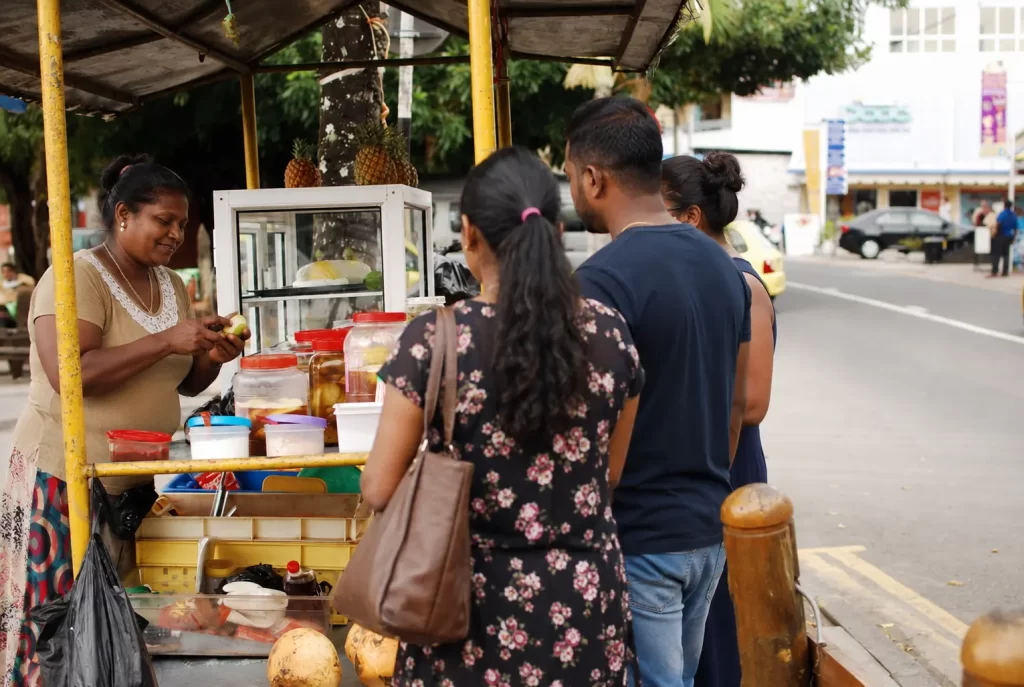
You do not need expensive restaurants to experience this part of the culture. Markets, small snacks, roadside vendors and ordinary town centres often give you a better introduction than hotel restaurants. Start with our 10 foods to try in Mauritius, then use our Mauritian street food prices guide to see what local snacks normally cost. If you want the history behind those dishes, read our history of Mauritian cuisine.
Music tells another part of the story. Traditional Mauritian Sega, or Sega Tipik, developed within the Creole community and has roots in the experience of enslaved African and Malagasy people. Traditional performances use instruments including the ravanne, a circular frame drum, the maravanne, a percussion rattle, and the triangle. Songs are usually sung in Creole and historically expressed everything from hardship and loss to love and everyday life.
UNESCO added Traditional Mauritian Sega to its Representative List of the Intangible Cultural Heritage of Humanity in 2014, describing it as both a symbol of Mauritian identity and a tradition capable of bringing different groups together. Mauritius also has other distinct Sega traditions, including Sega Tambour from Rodrigues.
Modern Mauritian music goes far beyond traditional Sega. Reggae has had an enormous influence, particularly through Seggae, which blended Sega and reggae and is closely associated with the late Mauritian artist Kaya. Contemporary Mauritian musicians also work across reggae, dancehall, hip-hop, electronic music and other international genres.
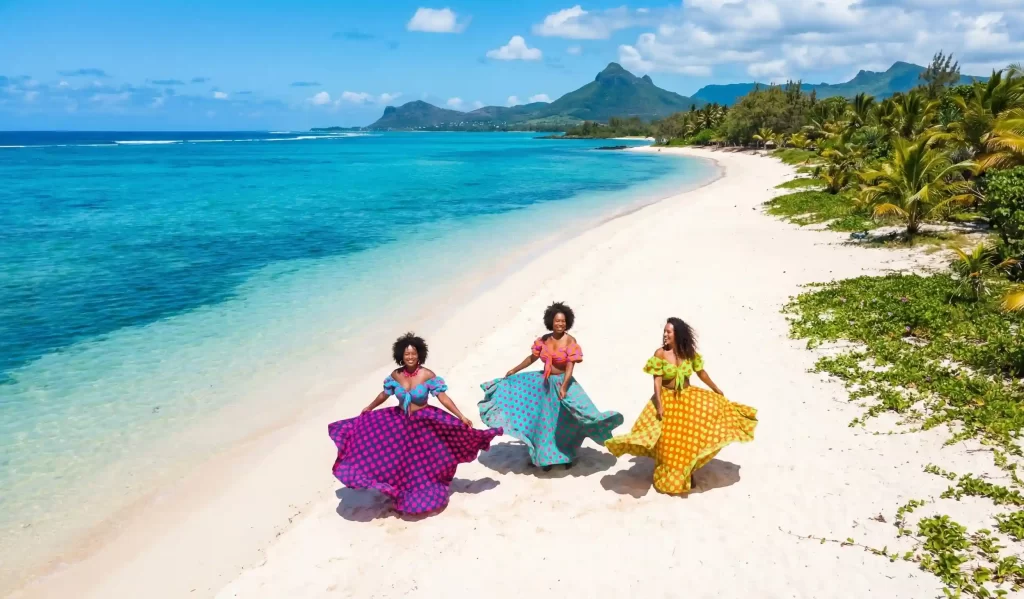
Etiquette: What Visitors Actually Need to Know
Mauritius is generally relaxed, particularly in beach and resort areas, so visitors do not need to worry constantly about breaking complicated cultural rules. Normal politeness goes a long way. Greeting someone before asking a question, saying thank you and treating service staff respectfully will matter far more than memorising a long etiquette checklist.
Religious sites are where a little extra care is useful. Dress modestly when visiting temples, mosques and churches, particularly by covering shoulders and avoiding very short clothing. Remove shoes where requested at Hindu temples and mosques, and do not walk into restricted worship areas simply to take photographs. If a ceremony is taking place, observe from a respectful distance and ask before photographing people closely.
Swimwear belongs on the beach, beside a pool or inside a resort rather than in supermarkets, towns or religious sites. Elsewhere, ordinary summer clothing is completely normal. Mauritius is tropical and nobody expects visitors to dress formally for everyday sightseeing.
If you are invited into someone’s home, follow the household rather than assuming every Mauritian family follows identical customs. Some people remove their shoes at the door and others do not. If you are offered food or a drink, accepting at least something small is usually appreciated, but there is no need to treat an invitation like an elaborate ritual.
Food also provides easy opportunities to interact with people. Ask vendors what they recommend, try something unfamiliar at a market, and do not be afraid to eat outside the tourist districts. Mauritius is generally multilingual, so visitors who speak English or French rarely struggle to communicate even when their Creole is limited.
What Makes Mauritian Culture Different?
The easiest mistake is to describe Mauritius simply as a collection of Indian, African, Chinese and European cultures living next to one another. That was part of how the society began, but it does not fully explain what exists now.
After generations on the same island, something new developed. Mauritian Creole became a shared language. Dishes crossed community boundaries. Sega became a national cultural symbol. Religious festivals entered the public calendar. French remained deeply rooted even through British rule, while English became important in institutions. Families preserved ancestral customs while also adopting traditions that originated elsewhere on the island.
That is why Mauritian culture can feel familiar and difficult to categorise at the same time. A Hindu Mauritian wedding may contain traditions whose ancestors came from northern India but also include Mauritian Bhojpuri songs recognised by UNESCO. A street-food stall can sell an Indian-derived flatbread next to Chinese-style dumplings. A family may speak Creole at home, watch French television and use English for official paperwork.
The point is not that every cultural difference has disappeared. Mauritius still has distinct religious, ancestral and linguistic communities, and those identities remain important to many people. The more interesting story is that a broader Mauritian identity developed alongside them.
If you want to understand that history in more depth, continue with Who Are the Mauritians?. If you are planning a trip and want the practical side as well, our Ultimate Guide to Mauritius covers where to stay, when to visit, transport, food and the main places worth seeing.
Official Sources
- Statistics Mauritius – 2022 Population Census Main Results
- Statistics Mauritius – 2022 Census Demography Report
- UNESCO – Traditional Mauritian Sega
- Government of Mauritius – Culture
Mauritian culture varies between communities, families and generations. This guide is intended as a practical introduction rather than a set of rules that applies identically to every Mauritian household.
Tours and activities in Mauritius
Hand-picked from GetYourGuide. Free cancellation on most bookings.
Questions and tips