
Where to Stay in Mauritius: Best Areas for First-Timers
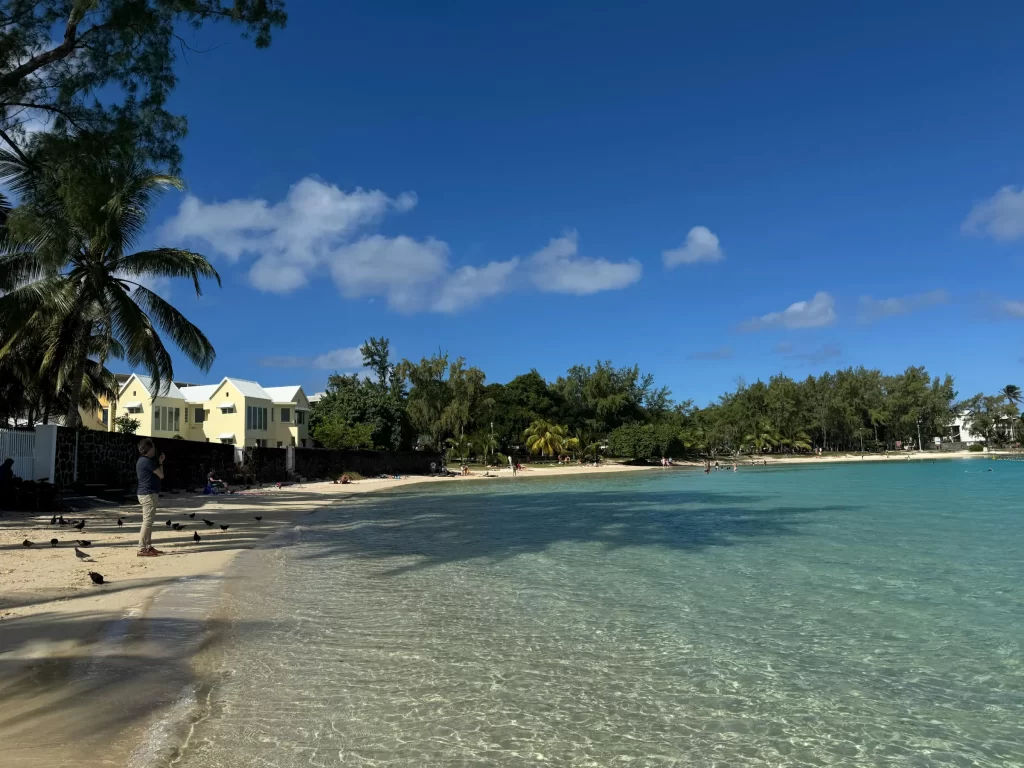
If you are planning your first trip to Mauritius, choosing the right coast is the most important decision you will make. The island may look small on a map, but the vibe, weather, and transport options change drastically depending on where you base yourself.
If you only want one base, choose Flic en Flac; if you want nightlife, choose Grand Baie; if you want a quieter beach, choose Trou aux Biches.
The east and south coasts (Belle Mare, Le Morne) offer striking scenery, but they are much more remote. If you are building a 7-day Mauritius itinerary, those remote areas are often better treated as add-on nights rather than your sole base, especially without a car.
Table of Contents
Quick Comparison: Top Areas at a Glance
| Area | Best for | Need a car? | Budget Level | Vibe | Best Trip Length |
|---|---|---|---|---|---|
| Flic en Flac | Families, central base | Nice to have | Low to High | Laid-back, busy public beach | 5-7 nights |
| Grand Baie | Nightlife, no-car trips | No | Low to High | Bustling, social, commercial | 4-7 nights |
| Trou aux Biches | Calm beaches, couples | No | Mid to High | Quiet resort village | 5-7 nights |
| Le Morne | Luxury, kitesurfing | Yes | High | Secluded, honeymooners | 2-3 night add-on |
| Belle Mare | Pure relaxation, spas | Yes | Mid to High | Quiet resort corridor | 2-3 night add-on |
| Tamarin | Surfing, local feel | Yes | Low to Mid | Outdoorsy, bohemian | 3-5 nights |
| Mahebourg | Budget, airport transit | Yes | Low to Mid | Authentic local town | 1-2 nights |
Mauritius Coasts at a Glance
- North & North-West: Busy, plenty of restaurants, calm beaches. Easier to manage without a car.
- West: Sheltered from the wind, famous for sunsets, central for sightseeing. Best single-base option.
- South & South-West: Dramatic mountain backdrops, kitesurfing, and luxury resorts, but isolated. Best for scenery, not convenience.
- East: Long, breezy flagship beaches dominated by quiet, high-end resorts. Better as a resort stay than a touring base.
The “Best For…” Guide
If you want to skip the research, here is where you should look based on your travel style:
- Families: Flic en Flac, Trou aux Biches, Belle Mare (selected resorts)
- Couples: Le Morne, Belle Mare, Trou aux Biches
- Luxury: Belle Mare, Le Morne
- Budget: Mahebourg, Flic en Flac, Grand Baie
- Without a Car: Grand Baie, Trou aux Biches, Flic en Flac
- Shorter Stays (3-4 Nights): Grand Baie, Flic en Flac
Best Areas to Stay in Mauritius for First-Time Visitors
1. Flic en Flac (West Coast)
Widely considered the best practical base for first-timers, Flic en Flac is a laid-back beach town. It features a long, public beach protected by a coral reef, making the lagoon calm and safe.
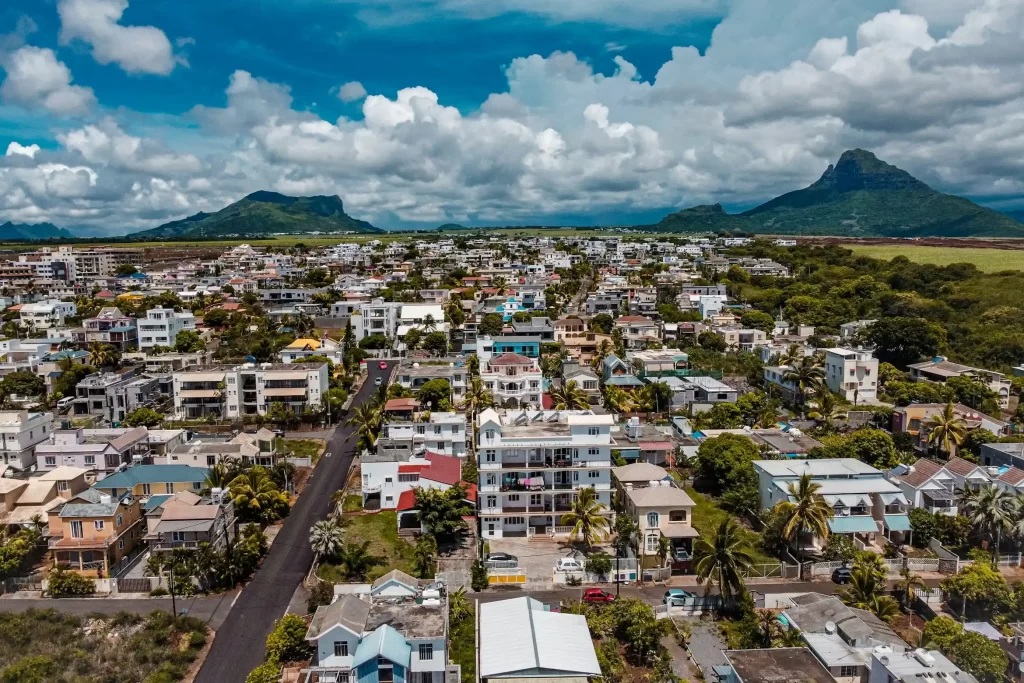
- Who it’s for: Families, mid-range travelers, and anyone wanting a central base to explore the whole island.
- Pros: Central location between the north and the south-west. Excellent swimming with shallow waters. Great sunsets and plenty of supermarkets, apartments, and food trucks.
- Cons: The main strip can get heavily congested on weekends and public holidays with local crowds.
- Avoid if: You want a completely secluded, private resort feel away from local crowds.
- Approximate prices: Budget from US$30–$70; mid-range resorts US$150–$300; luxury US$350–$600+.
- Car / No-Car: Manageable without a car, but a rental is nice to have for southern day trips.
- Map: Flic en Flac Public Beach
2. Grand Baie (North Coast)
Grand Baie is the island’s bustling northern hub. It is the undisputed center for nightlife, shopping, and boat tours.
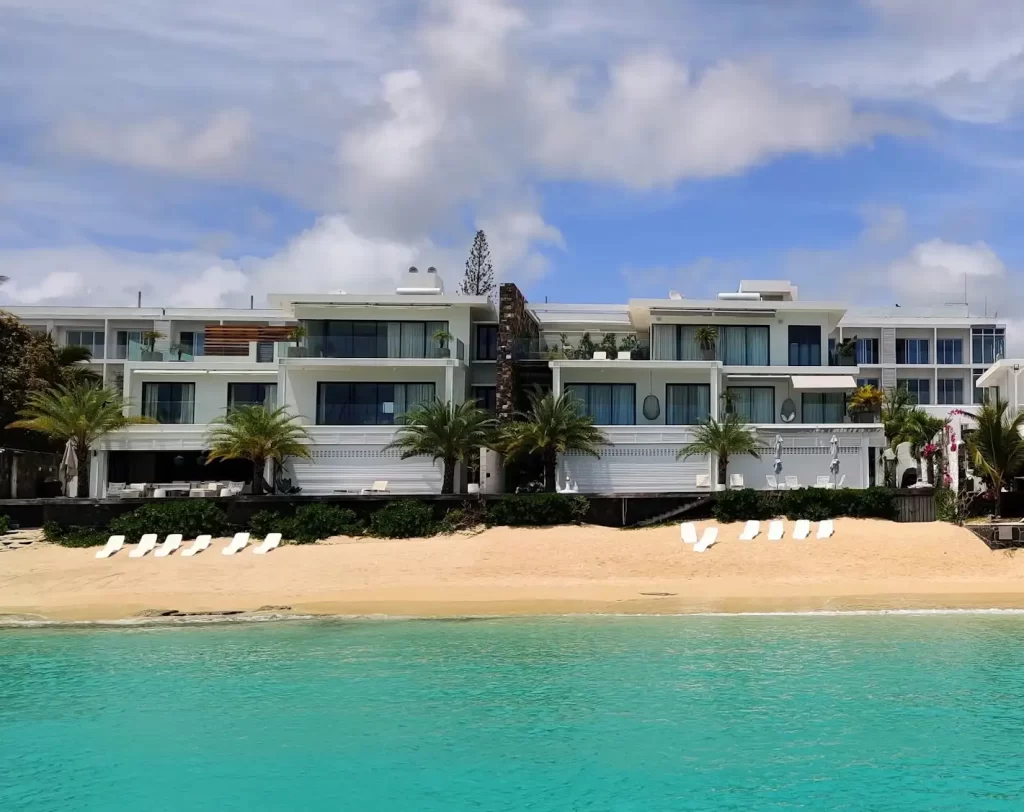
- Who it’s for: Groups of friends, nightlife lovers, and travelers who want maximum convenience without renting a car.
- Pros: The best bar and restaurant scene on the island. Huge choice of accommodation at all price points. Immediate access to catamaran tours.
- Cons: The main bay is busy with boats, so the water clarity and swimming areas aren’t as pristine as quieter beaches nearby.
- Avoid if: Your main priority is stepping out of your room onto a perfectly quiet, empty beach.
- Approximate prices: Budget apartments from US$40–$70; mid-range hotels US$90–$180; luxury brands average US$300+.
- Car / No-Car: Easy without a car.
3. Trou aux Biches (North-West Coast)
Located just a few kilometers from Grand Baie, Trou aux Biches is a low-rise resort village fronting one of the island’s most beautiful, palm-lined beaches.

- Who it’s for: Families with young children, couples, and travelers who prioritize a calm beach but still want town amenities nearby.
- Pros: Fine white sand and a clear, calm lagoon perfect for snorkeling. Quieter than Grand Baie, but close enough to catch a short taxi ride for a night out.
- Cons: Fewer dining and shopping options directly on your doorstep compared to Grand Baie.
- Avoid if: You want lots of bars, clubs, and shopping immediately outside your hotel.
- Approximate prices: Cheap hotels US$50–$80; mid-tier hotels US$90–$180; large resorts US$220–$250+.
- Car / No-Car: Easy without a car.
4. Le Morne (South-West Peninsula)
Dominated by a UNESCO-listed mountain, this peninsula is a secluded, striking corner of the island.
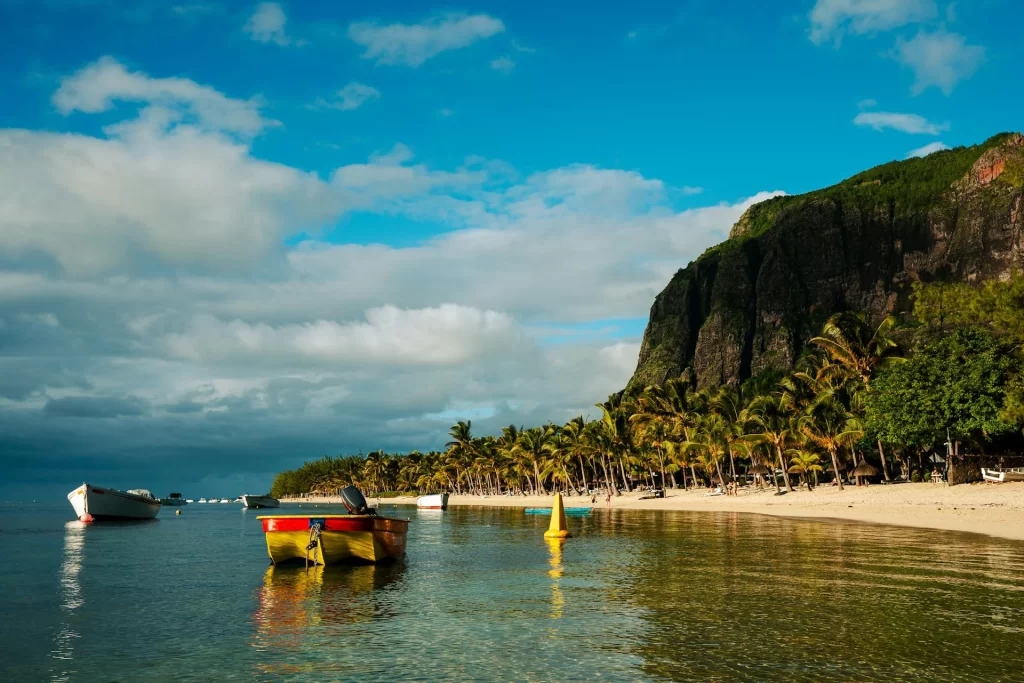
- Who it’s for: Honeymooners, kitesurfers, and couples seeking a luxury “resort bubble.”
- Pros: World-class kite surfing, dramatic scenery, and some of the finest luxury hotels in the Indian Ocean.
- Cons: Very remote. There is almost no independent village infrastructure, meaning you are tied to resort restaurants unless you have a vehicle.
- Avoid if: You do not plan to rent a car, or if you are on a tight budget.
- Approximate prices: Luxury resorts range from US$600–$1,400+ in high season. Genuine budget options are almost non-existent.
- Car / No-Car: Not recommended without a car.
- Read more: Le Morne Brabant Guide
5. Belle Mare (East Coast)
The east coast is famous for its long, powdery beaches and breezy atmosphere. Belle Mare is a dedicated resort corridor.
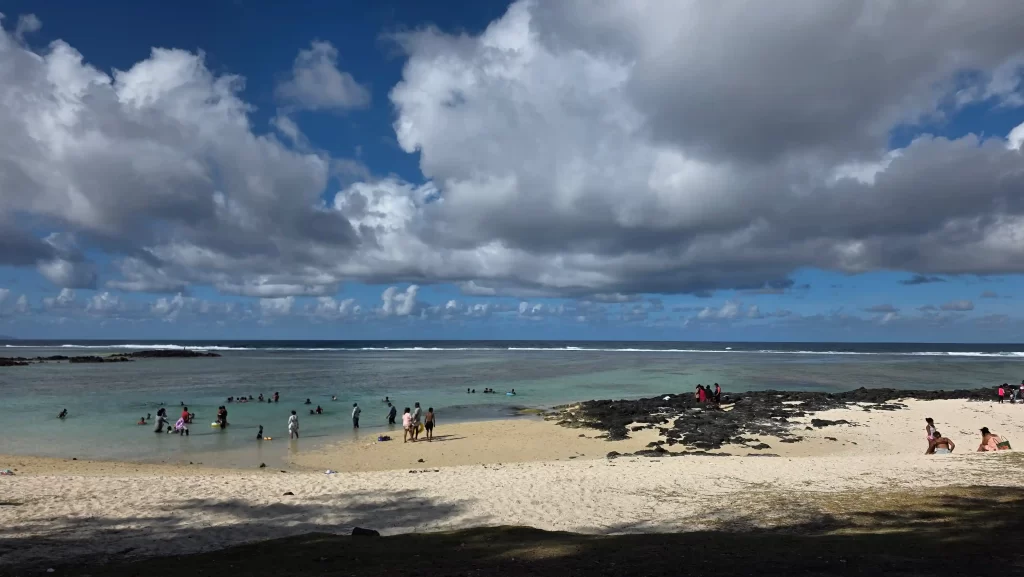
- Who it’s for: Couples wanting a pure “fly-and-flop” relaxation holiday inside a high-end resort.
- Pros: Phenomenal beaches, quieter vibe, and a high concentration of excellent luxury properties and spas.
- Cons: More exposed to the south-east trade winds (which can be chilly in July/August). Very few independent restaurants in walking distance.
- Avoid if: You want to explore the island daily without a car, or if you dislike windy conditions.
- Approximate prices: Lower-end 4/5-star resorts start around US$130–$240; flagship resorts frequently sell above US$400–$800.
- Car / No-Car: Not recommended without a car.
6. Tamarin (West Coast)
A short drive south of Flic en Flac, Tamarin is the island’s historic surf hub. It has a relaxed, bohemian village atmosphere and sits near the entrance to the Black River Gorges.

- Who it’s for: Solo travelers, surfers, and visitors looking for hidden gems in Mauritius away from massive resorts.
- Pros: Strong outdoor culture, great sunsets, surf schools, and a much more local, low-rise feel than the big resort strips.
- Cons: The beach is for surfing and atmosphere, not a calm, flat lagoon for beginners to swim in.
- Avoid if: You want a classic, flat lagoon for young children to swim safely.
- Approximate prices: Guesthouses run roughly US$30–$70; boutique mid-range hotels fall in the US$120–$220 bracket.
- Car / No-Car: Not recommended without a car.
7. Mahebourg (South-East)
A historic, authentic town located just minutes from the international airport. It lacks a major resort beach but offers great access to the Blue Bay Marine Park.

- Who it’s for: Budget travelers, transit passengers, and culture seekers.
- Pros: Very cheap accommodation, excellent local food, and great snorkeling nearby. Ideal for a 1-night stay before an early flight.
- Cons: No long, postcard-style resort beach in town. Slower bus connections to the rest of the island.
- Avoid if: You want a traditional resort beach right outside your door for a week-long holiday.
- Approximate prices: B&Bs and guesthouses are abundant around US$20–$35.
- Car / No-Car: Manageable without a car for short stays, but a car is needed for wider exploration.
- Read more: Guide to Mahebourg Market
8. Port Louis (The Capital)
Port Louis is a working city and commercial hub, not a beach destination.
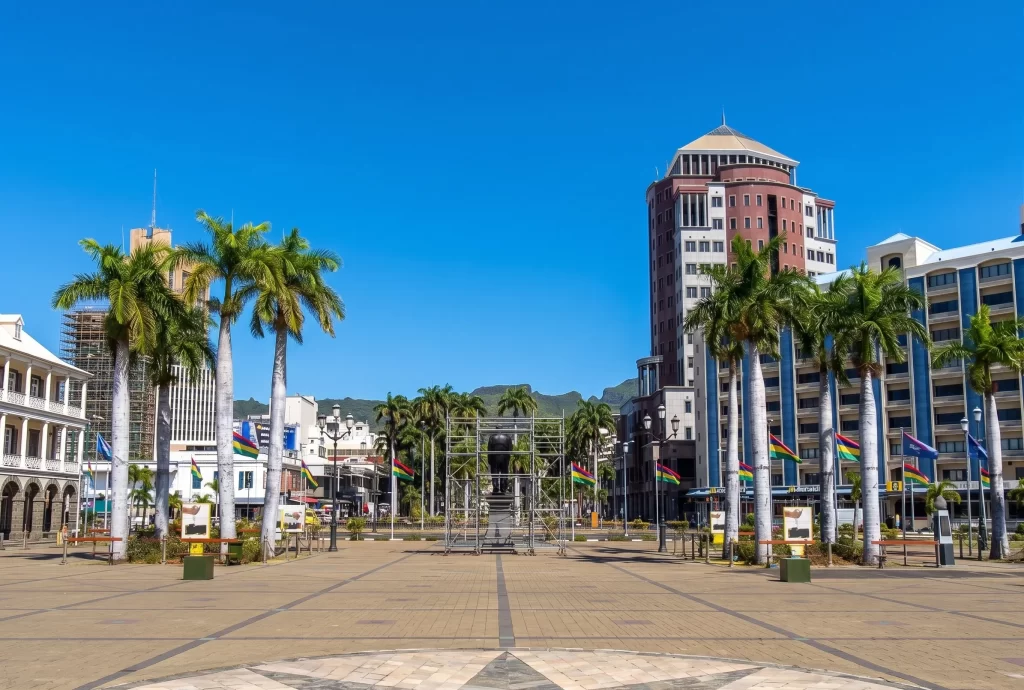
- Who it’s for: Business travelers or visitors doing a 1-night urban stopover.
- Pros: Immediate access to museums, street food, and central bus terminals.
- Cons: Intense traffic, noise, and heat. There are no beaches.
- Avoid if: You are coming to Mauritius for a relaxing beach holiday. Port Louis is best visited as a day trip.
- Approximate prices: Budget hotels from US$70–$100; business mid-range US$150–$250+.
- Car / No-Car: Easy without a car.
Head-to-Head Comparisons
Grand Baie vs Flic en Flac
Choose Grand Baie for better nightlife, shopping, and a wider variety of restaurants. Choose Flic en Flac for a better, calmer beach, stronger family appeal, and a more central location for island road trips.
Trou aux Biches vs Grand Baie
Choose Trou aux Biches if your priority is stepping out of your hotel onto a pristine, quiet beach. Choose Grand Baie if you prefer to step out of your hotel into a bustling street of cafes and bars.
Tamarin vs Flic en Flac
Choose Flic en Flac for better tourist infrastructure, supermarkets, and a calm swimming lagoon. Choose Tamarin for a laid-back surf culture, fewer large resorts, and a much more local, bohemian vibe.
Le Morne vs Belle Mare
Both are luxury hubs. Le Morne offers dramatic mountain scenery and kitesurfing but feels isolated. Belle Mare offers a gentler, classic lagoon experience with easier access to boat trips like Ile aux Cerfs.
Mahebourg vs The Resort Coasts
Choose Mahebourg if you are on a strict budget, want an authentic local town feel, or need airport convenience for 1-2 nights. Choose the west or north coasts for a classic, white-sand holiday experience.
Which Part of Mauritius Is Best Without a Car?
Whether you are driving in Mauritius or relying on taxis depends entirely on your base:
- Easy without a car (Grand Baie, Trou aux Biches, Port Louis): The bus network in the north-west is frequent, and supermarkets, restaurants, and tours are densely packed within walking distance.
- Manageable without a car (Flic en Flac): Local buses run up the west coast and you can walk to dinner, but renting a car makes exploring the nearby national park and southern sights much cheaper than relying on taxis.
- Not recommended without a car (Tamarin, Le Morne, Belle Mare, Mahebourg): These areas are more spread out or remote. Relying on resort taxis for daily exploration from these coasts will quickly drain your budget.
Mistakes to Avoid When Choosing Your Base
- Picking a remote all-inclusive by mistake: Booking a resort in Le Morne or Belle Mare because the photos looked nice, without realizing you are a 90-minute drive from the island’s main sights.
- Ignoring the wind: The east and south coasts are exposed to trade winds. This provides a great breeze in the hot summer, but can feel surprisingly cool during the Mauritian winter (June to August).
- Staying in one spot for a long trip: If you are visiting for 10 to 14 days, split your stay. Spend a week in the busy north/west for activities, and a few nights in the quiet south/east for pure relaxation.
- Over-prioritizing the airport: Do not base your entire week in Mahebourg just because it is close to the runway. The island is small enough that you can easily travel to the better resort beaches on the west or north on your arrival day.
The Final Verdict
Split-Stay Recommendation
- 5–7 nights: Base yourself entirely in Flic en Flac or Trou aux Biches.
- 7+ nights: Split your stay. Spend 4-5 days in the north-west or west for easy sightseeing, and finish with 2-3 nights splurging in Belle Mare or Le Morne to simply relax.
If you are only choosing one base for your first trip, Flic en Flac is the safest, most practical recommendation. It places you in the middle of the west coast, offers a fantastic, safe beach, and balances local charm with tourist infrastructure.
If you prefer a quieter beach, go slightly north to Trou aux Biches. If you want nightlife and don’t plan to rent a car, Grand Baie is your best bet.
Tours and activities in Mauritius
Hand-picked from GetYourGuide. Free cancellation on most bookings.
Some links on this page are affiliate links. If you book through them we may earn a small commission, at no extra cost to you. It helps keep Creole Mauritius free.

Questions and tips