
Best Time to Visit Mauritius: Weather by Month
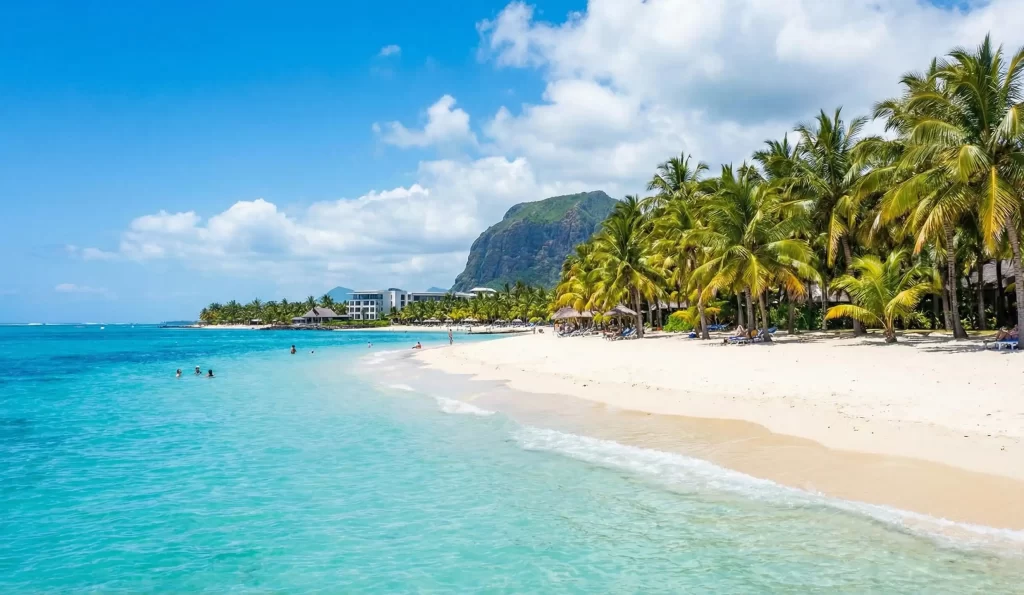
If you want one simple answer, October is one of the best months to visit Mauritius. It is officially the driest month of the year, temperatures are beginning to warm up after winter, and it comes just before the hotter and wetter part of summer. September and November are also excellent choices if you want plenty of beach weather without visiting during the wettest months.
That does not mean Mauritius has one short “good season”. The island is a year-round destination. November to April is hotter, more humid and better if you want very warm sea temperatures, while May to October is cooler, drier and generally more comfortable for hiking and sightseeing. The best month for you therefore depends on whether your priority is swimming, hiking, diving, kitesurfing or simply spending all day on the beach.
Location matters too. Mauritius has surprisingly noticeable microclimates for a small island. The north and west are generally warmer and more sheltered, while the east and south feel windier during winter. The central plateau around Curepipe and Vacoas is cooler and receives more rain than the coast.
If you are putting together a full trip rather than just choosing dates, our 7-day Mauritius itinerary will help you plan what to do once you arrive.
Best Time to Visit Mauritius at a Glance
| What You Want | Best Time | Why |
|---|---|---|
| Best overall | September–November | Drier weather, warming temperatures and plenty of sunshine |
| Best single month | October | Officially the driest month and pleasantly warm |
| Hot beach holiday | November–April | Hottest weather and warmest sea |
| Hiking and sightseeing | May–October | Lower humidity and cooler daytime temperatures |
| Kitesurfing | June–September | Stronger trade winds, particularly around Le Morne |
| Diving | November–April | Warm water and generally calmer summer conditions |
| Avoiding the wettest weather | September–November | September and October have among the lowest long-term rainfall totals |
| Warm sea with less summer rain | April–May | Sea remains warm as the wetter summer period starts easing |

Mauritius Weather Month by Month
The official long-term rainfall figures from Mauritius Meteorological Services are more useful for planning than looking at what happened during one particular year. The 1991–2020 climate averages show a clear pattern: rainfall rises sharply from December, peaks in February and March, then falls through winter before reaching its annual minimum in October.
| Month | Average Island Rainfall | What It Is Like | Our Take |
|---|---|---|---|
| January | 280 mm | Hot, humid and tropical with frequent showers | Great for heat and warm water, but allow for rain |
| February | 322 mm | Very warm and the wettest month on average | Good for resort holidays, less reliable for touring |
| March | 294 mm | Hot, humid and still wet | Warm sea, but higher rainfall risk |
| April | 206 mm | Warm with rainfall gradually easing | One of the better summer months for beaches |
| May | 149 mm | Warm transition into winter | Excellent all-round month |
| June | 118 mm | Cooler, drier and breezier | Very good for exploring and hiking |
| July | 132 mm | Cooler and windy, especially east and south | Good for activity holidays, less ideal if you want maximum heat |
| August | 108 mm | Similar to July with strong trade winds at times | Great for kitesurfing and sightseeing |
| September | 87 mm | Dry with temperatures beginning to rise | One of the best months to visit |
| October | 75 mm | Dry, sunnier and increasingly warm | Our favourite all-round month |
| November | 85 mm | Warmer with relatively low rainfall | Excellent for beaches and swimming |
| December | 164 mm | Hot, humid and increasingly wet | Beautiful beach weather between showers |
Rainfall figures are Mauritius-wide monthly averages from Mauritius Meteorological Services’ 1991–2020 climatology. Actual rainfall varies significantly between regions and from one year to another.
Those island-wide figures should not be interpreted too literally for a beach holiday. Rainfall measured across Mauritius includes the much wetter central plateau, while coastal areas can remain sunny when it is raining inland. Tropical showers can also be heavy but relatively short, so a forecast showing rain does not necessarily mean an entire day will be lost.
Summer or Winter: Which Is Better?
Mauritian summer runs from November to April. This is the season to choose if you want the hottest weather and warmest water. Official tourism guidance puts typical coastal daytime temperatures at roughly 28–33°C, with sea temperatures around 26–30°C. January and February are the hottest months, but January to March also brings a greater chance of rain.
Summer is particularly good for swimming, snorkelling and diving because the lagoon feels wonderfully warm. The trade-off is humidity. A humid 30°C afternoon in Port Louis or on a hiking trail can feel significantly hotter than the number suggests, and heavy tropical rain is more likely during this part of the year.
Winter broadly runs from May to October, although Mauritius Meteorological Services describes June to September as the cooler, drier core of winter, with May and October acting as transition months. Coastal daytime temperatures generally remain around 22–28°C, so Mauritian “winter” bears little resemblance to winter in Europe.
Winter is particularly good for exploring the island. Walking around Port Louis, climbing Le Morne or spending a day at Black River Gorges is considerably more comfortable when humidity is lower. If hiking is important to your trip, see our guide to the best hikes in Mauritius.
The downside is wind. Persistent south-easterly trade winds are an important feature of Mauritian winter, and the east and south coasts are more exposed. July and August can feel surprisingly breezy, particularly in places such as Belle Mare and Le Morne. The north and west coasts tend to feel more sheltered.

Which Coast Has the Best Weather?
The answer changes with the season. The north and west are generally the safest choices during the Mauritian winter. Areas such as Grand Baie, Trou aux Biches and Flic en Flac tend to be warmer and more sheltered from the prevailing south-easterly trade winds. The west is particularly attractive in July and August if your priority is relaxing on the beach rather than wind sports.
The east coast, including Belle Mare and Trou d’Eau Douce, has spectacular beaches but is more exposed to the prevailing winds. That breeze can be extremely welcome during hot summer months but noticeably stronger during winter. If you are choosing an east-coast resort in July or August, expect breezier beach conditions than you would usually find around Grand Baie or Flic en Flac.
The south and south-west are similarly exposed in places. Around Le Morne this is an advantage for kitesurfers, with the trade winds helping create some of the island’s best conditions between roughly April and November.
The central plateau, including Curepipe and Vacoas, is another climate altogether. It is higher, cooler and generally wetter than the coast. It can be cloudy or raining in Curepipe while visitors are sitting under blue skies at Flic en Flac. Do not assume that looking out of your hotel window in one part of Mauritius tells you what the weather is doing everywhere else.
What About Cyclone Season?
The official tropical cyclone season in this part of the Indian Ocean runs from 1 November to 15 May. That sounds alarming when planning a holiday, but it does not mean Mauritius experiences a cyclone every week or that you should automatically avoid the entire summer.
Most visitors travelling during cyclone season will not experience a direct cyclone impact. However, tropical systems can occasionally disrupt flights, close beaches and businesses, produce heavy rainfall and change conditions very quickly. If a cyclone does threaten Mauritius, take official warnings seriously and follow instructions from your hotel, airline and Mauritius Meteorological Services.
January to March also coincides with Mauritius’ wettest part of the year, irrespective of whether a cyclone is present. If you are very weather-sensitive and want to minimise the chances of heavy rain disrupting your plans, September, October and November are better choices than January, February or March.
It is worth remembering that unusual weather can happen in any season. Long-term climate averages tell you what is typical; they cannot tell you whether it will rain on a particular Tuesday six months from now.
When Should You Visit for Beaches, Hiking and Watersports?
For a classic hot beach holiday, November, December and April are particularly attractive. You get summer temperatures and warm lagoon water without deliberately choosing February or March, which are statistically the wettest months. November is especially appealing because rainfall remains relatively low in the long-term data while the island has already warmed considerably.
For hiking and exploring, May to October is better. Humidity drops, daytime temperatures become more comfortable and there is less rainfall overall. September and October are particularly good because conditions are dry without being as cool or windy as July and August.
For kitesurfing, winter wins. The trade winds strengthen during the cooler season, with July and August among the windiest months. Le Morne is the best-known kitesurfing area, while the east and south coasts also benefit from the stronger seasonal breeze.
For diving and warm-water snorkelling, summer has an advantage. Official Mauritius tourism guidance puts summer sea temperatures at approximately 26–30°C compared with roughly 22–25°C in winter. Diving takes place throughout the year, but November to April generally offers the warmer-water experience.
So, What Is the Best Month to Visit Mauritius?
For most travellers, I would choose October. Mauritius Meteorological Services identifies it as the driest month of the year, temperatures are warming after winter, the coast receives plenty of sunshine and the strongest mid-winter trade winds are beginning to ease. It is an excellent compromise between beach weather and comfortable sightseeing.
September is a close second if you prefer slightly cooler weather, while November is better if warm water and hotter beach days matter more to you. May is another underrated option because the sea retains some of its summer warmth while humidity and rainfall are falling.
I would not tell travellers to avoid January to March entirely. Plenty of people have excellent holidays during these months, and the island looks lush and tropical. You simply need to accept that conditions are hotter, more humid and statistically wetter, with the additional possibility of cyclone-related disruption.
The most important lesson is that there is no universal “best season” for every Mauritius holiday. A couple who wants warm evenings and swimming may prefer November. A family planning hikes and sightseeing might be happier in September. A kitesurfer may deliberately choose July, while someone dreaming of calm beach days on the east coast may prefer April.
If you are flexible and simply want the strongest all-round combination of weather, aim for September to November, with October as the standout month.
Once you have chosen your dates, continue with our 7-day Mauritius itinerary or browse our complete Mauritius travel guide to plan the rest of the trip.
Official Weather Sources
- Mauritius Meteorological Services – Climate of Mauritius
- Mauritius Meteorological Services – Monthly Rainfall Climatology
Climate averages describe typical long-term conditions rather than guaranteeing the weather during an individual trip. Check the Mauritius Meteorological Services forecast shortly before travelling.
Tours and activities in Mauritius
Hand-picked from GetYourGuide. Free cancellation on most bookings.
Some links on this page are affiliate links. If you book through them we may earn a small commission, at no extra cost to you. It helps keep Creole Mauritius free.



Questions and tips