
Living in Mauritius as an Expat: 12 Pros and Cons

Is Mauritius a good place to live? For the right person, absolutely. Mauritius works particularly well for people who value warm weather, beaches, outdoor living, reliable internet and a slower pace of life. It can also be a practical base for remote workers, retirees and families with sufficient income.
But living in Mauritius is very different from spending two weeks at a beach resort. Rent in the most popular areas is no longer cheap, cars are almost essential in many parts of the island, imported products can be expensive, and island life can eventually feel small if you are used to a major city.
This is not a “Mauritius is paradise” article. These are the genuine advantages and disadvantages worth considering before moving here.
Pros and Cons of Living in Mauritius at a Glance
| Pros | Cons |
|---|---|
| Beautiful beaches and outdoor lifestyle | Popular expat areas can be expensive |
| Generally comfortable everyday safety | A car is useful or essential in many areas |
| Reliable fibre and mobile internet | Imported products can cost much more |
| Multicultural society and excellent food | Hot, humid summers and cyclone season |
| Good private healthcare and international schools | Highly specialised services can be limited |
| Relaxed island lifestyle | Small-island life can eventually feel repetitive |

The Pros of Living in Mauritius
1. The Outdoor Lifestyle Is Hard to Beat
One of the biggest advantages of living in Mauritius is that beaches and nature become part of normal life rather than something reserved for holidays. Depending on where you live, finishing work and going for a swim, walking along the coast or watching the sunset can become an ordinary weekday activity.
Weekends offer even more. You can hike in Black River Gorges, climb Le Morne, snorkel, dive, surf, kayak or spend the day exploring another part of the island. Mauritius is small enough that you rarely need a complicated trip to reach somewhere completely different from your neighbourhood.
This is especially appealing if you are moving from a large city where outdoor activities require substantial planning. Our guide to the best hikes in Mauritius covers some of the island’s best walking routes.
2. Everyday Life Generally Feels Safe
Mauritius is not crime-free, and normal precautions still matter. Petty theft, car break-ins and residential burglaries do occur. However, many residents find ordinary daily life relatively comfortable, particularly in residential areas and during the daytime.
Families are commonly seen out together in the evening, children have access to beaches and outdoor activities, and many neighbourhoods have a strong community feel. As anywhere, leaving laptops unattended on a beach or valuables visible inside a parked car is not sensible.
Road safety deserves separate attention. Roads can be narrow, pedestrians may appear unexpectedly and driving styles take some adjustment, particularly if you are new to the island.
3. Mauritius Is Very Practical for Remote Work
Internet infrastructure is one of the stronger practical reasons for choosing Mauritius. Fibre broadband is widely available in populated areas, while 4G and 5G mobile networks give remote workers an easy backup connection.
The UTC+4 time zone is also convenient for people working with Europe, Africa and the Middle East. Someone working with Dubai has no time difference, while European meetings often begin later in the Mauritian day, leaving mornings relatively free.
Mauritius also has the Premium Visa for eligible long-stay visitors and remote workers earning their main income outside the country. If remote work is the main reason you are considering a move, read our full digital nomad guide to Mauritius rather than relying on general relocation advice.
4. The Multicultural Culture Makes Daily Life Interesting
Mauritius is not culturally uniform. The population developed from African, Malagasy, Indian, European and Chinese migration, and that history still shapes language, food, religion and public celebrations.
It is normal to pass churches, Hindu temples, mosques and Chinese religious sites during the same journey. Public holidays and festivals come from several traditions, while Mauritian Creole provides a shared everyday language across communities.
Food is perhaps the easiest way to experience that mix. An ordinary week might include dholl puri, Chinese-Mauritian noodles, briani, Creole rougaille and French-influenced pastries without anybody thinking of that combination as unusual.
Our guide to Mauritian culture and 10 foods to try in Mauritius explain this side of island life in more detail.
5. Families Have Good Private Education Options
Mauritius has a useful selection of international and private schools offering IB, Cambridge, British-style and French curricula. This makes relocation considerably easier for families whose children need to continue an internationally recognised education pathway.
The challenge is cost. International-school tuition can become one of the largest expenses in a family’s budget, and popular schools may have limited places in certain year groups.
Location also matters. Sending a child to school in Moka while living in Grand Baie may look manageable on a map but feel very different during the morning school run. Families should ideally choose the school before committing to a long-term rental.
See our updated international schools in Mauritius guide for current fees, curricula and locations.
6. The Pace of Life Can Be a Genuine Quality-of-Life Upgrade
Mauritius generally operates at a slower rhythm than cities such as London, Dubai, Singapore or Johannesburg. Whether that is a benefit depends on your personality, but many people move here precisely because they want less of the constant big-city rush.
Social life often revolves around beaches, family meals, restaurants, sports clubs, barbecues and gatherings at people’s homes rather than major concerts or endless new venues. For people who value a quieter routine, that can be one of the island’s greatest strengths.
The key is to choose where you live carefully. If your work, school and everyday services are nearby, Mauritius can feel extremely convenient. If you spend two hours a day driving across the island, the relaxed-island-life idea becomes less convincing.

The Cons of Living in Mauritius
1. Mauritius Is Not as Cheap as Some People Expect
This is probably the biggest misconception among people considering a move. Mauritius can offer good value compared with some major international cities, but it is not an ultra-cheap tropical destination.
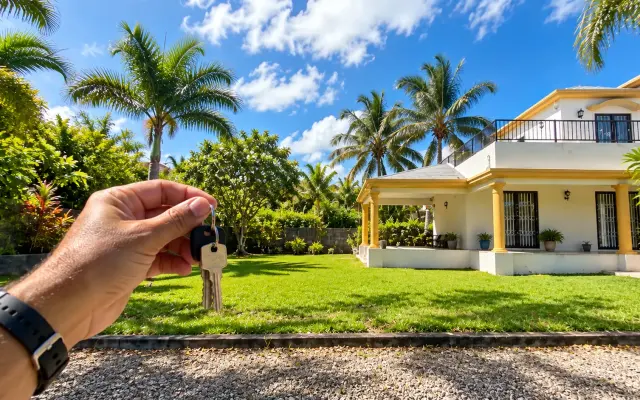
Housing in Grand Baie, Tamarin, Black River and newer developments around Moka can be expensive. A good two-bedroom apartment can easily cost Rs40,000 to Rs60,000 per month or more, while larger villas in popular coastal areas regularly move beyond Rs100,000.
International-school fees, running a car, private healthcare, imported groceries and frequent restaurant meals can increase the budget quickly. Someone earning in euros, pounds, dollars or dirhams may still find the lifestyle attractive, but people relying entirely on an ordinary local salary will experience the same prices very differently.
See our updated cost of living in Mauritius guide and Mauritius rent prices guide before deciding what monthly budget you need.
2. Imported Products Can Be Surprisingly Expensive
Mauritius is an island, and a significant amount of what appears on supermarket shelves has travelled a considerable distance to get there. This becomes particularly noticeable if you want specific European brands, speciality cheese, imported meat, premium cereals, cosmetics, electronics or niche dietary products.
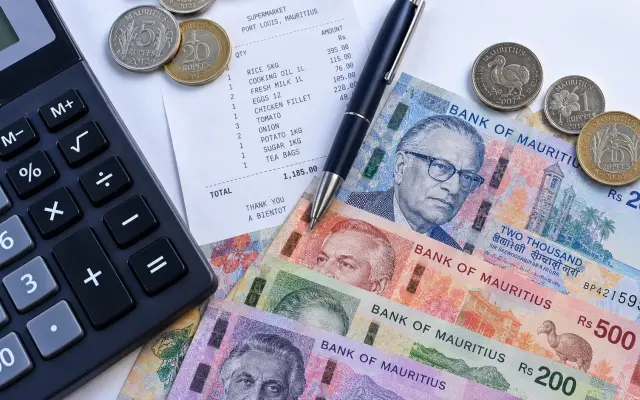
You can reduce this problem substantially by adapting to local shopping habits. Seasonal produce, rice, lentils, ordinary chicken cuts and mainstream supermarket products can be reasonably affordable. The expensive version of living in Mauritius usually begins when you try to reproduce exactly the same shopping basket you had overseas.
Our Mauritius grocery price guide has current examples of what everyday supermarket items cost.
3. You Will Probably Want a Car
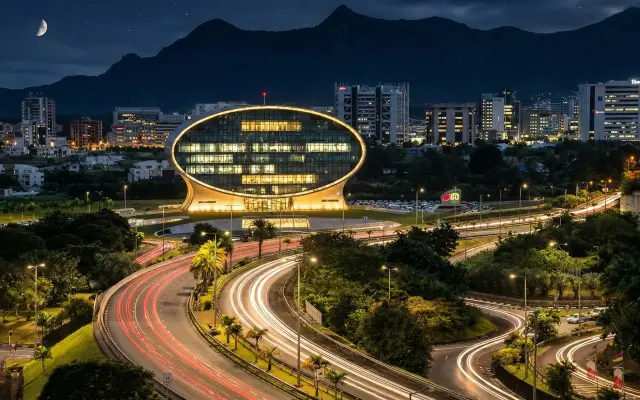
Mauritius has buses and the Metro Express, and public transport is inexpensive. The Metro is especially useful along the central urban corridor between Port Louis, Rose Hill, Quatre Bornes and Curepipe, with a branch towards Ebène and Réduit.
The problem is that many of the places popular with expats are nowhere near the Metro. Tamarin, Black River, La Gaulette, much of the north, the east coast and quieter residential areas become considerably easier to manage with a car.
Traffic is another part of the equation. A relatively short distance can become a slow journey around Port Louis, Moka, Ebène and the major central roads during peak hours. Choosing a house because it is cheaper can be a false economy if you then spend every morning crossing the island for school or work.
Our Mauritius transport guide compares driving, buses, taxis and the Metro.
4. Summer Can Be Hot, Humid and Unpredictable
Mauritius has warm weather throughout the year, but living through summer is different from visiting for a sunny holiday. From roughly December to March, coastal areas can become very hot and humid, particularly when there is little wind.
The tropical cyclone season also extends through the warmer part of the year. Most tropical systems do not result in a direct destructive hit, but heavy rainfall, strong winds, flooding, business closures and transport disruption can occasionally affect everyday life.
The cooler months are much easier for some residents. September to November is one of the most pleasant periods overall, while July and August are cooler and breezier, especially on the east and south coasts.
If climate will influence your move, our Mauritius weather guide explains the differences month by month.
5. Some Specialist Services Are Limited
Mauritius has modern private clinics and is perfectly capable of handling most normal consultations, diagnostics, maternity care, dentistry and many routine procedures. Many expats use the private healthcare system because appointments are generally more convenient.
The limitation appears when treatment becomes extremely specialised. Certain rare conditions, highly complex surgery or advanced specialist care may require treatment overseas, commonly in countries such as South Africa or India.
This is particularly important for anyone relocating with an existing complex medical condition. Before moving, confirm that the specialists, medication and insurance cover you require are actually available rather than assuming everything offered in a large international city will also exist on a small island.
6. Island Life Can Eventually Feel Small
This is difficult to measure but important to mention. When you first arrive, having beaches, mountains and restaurants within relatively short distances feels incredible. After several years, some people start to notice the opposite side of that compactness.
The restaurant scene is smaller than a major city. Large international concerts are uncommon. Shopping choices are narrower. Weekend destinations eventually become familiar, and international travel usually means taking a flight rather than simply driving or taking a train across a border.
Your social circle can also become relatively small. Some international residents mostly socialise with other expats, especially around Grand Baie, Tamarin and Black River. Learning some Creole, exploring ordinary towns and building relationships outside expatriate circles can make life here feel far richer.
For some people this smallness is exactly what they want. For others, it eventually becomes the main reason they leave.

How Much Does It Cost to Live in Mauritius?
There is no useful single monthly figure because rent changes dramatically by area and family circumstances. A remote worker living alone in a simple inland apartment has a completely different budget from a family renting a three-bedroom villa in Tamarin and paying international-school fees for two children.
Housing is usually the largest expense. Current 2026 asking prices put many one-bedroom apartments in popular areas around Rs25,000 to Rs40,000 per month, while two-bedroom apartments in Grand Baie, Tamarin and Moka commonly move into the Rs40,000 to Rs60,000 range or higher. Larger family properties can cost considerably more.
Groceries are manageable when you buy everyday products and seasonal food, while imported brands carry a premium. Cars, fuel, insurance, private medical care and school fees then need to be added according to your lifestyle.
I would therefore build your own budget rather than relying on an internet figure claiming that everyone can live comfortably for a specific dollar amount.
Where Is the Best Place to Live?
Grand Baie and Pereybere suit people who want restaurants, shops, nightlife and a large international community. Tamarin and Black River suit families and people prioritising surfing, hiking and outdoor life. Flic en Flac offers west-coast beach access at generally lower rents than Tamarin.
Moka is practical for schools and professional life around the central business districts, although its newer developments are no longer particularly cheap. Quatre Bornes and Rose Hill provide a more urban and local environment with good transport connections. Mahébourg is worth considering for quieter coastal living at lower rents, especially if you work remotely and do not need to commute to the north or centre every day.
There is no universal best area. The right answer depends more on where you work and where your children go to school than on which beach looks best in photographs. See our guide to Mauritius rent prices and the best areas for expats for a full comparison.
Who Is Mauritius Best Suited To?
Mauritius tends to work particularly well for remote workers earning overseas, retirees with reliable pensions, families able to afford private education and people who value outdoor life more than big-city entertainment. It can also suit entrepreneurs and professionals whose work is based on the island.
It may be less attractive if you depend heavily on public transport, want very cheap living costs, require highly specialised healthcare or need the cultural and entertainment variety of a major international city.
The most successful moves are usually made by people who understand that Mauritius is neither a permanent luxury resort nor an inexpensive tropical escape. It is a small country with modern infrastructure, beautiful surroundings and its own everyday frustrations.
Frequently Asked Questions
Is Mauritius a good place to live?
Yes, particularly if you value beaches, nature, a slower lifestyle and warm weather and have a realistic budget. Its main compromises are car dependence, imported-product costs, humidity and the limitations of living on a relatively small island.
Is Mauritius expensive for expats?
It can be. Coastal housing, international schools, private healthcare and imported products can make an expat lifestyle significantly more expensive than many people initially expect. Living inland and buying local products reduces the cost considerably.
Do you need a car to live in Mauritius?
Not everywhere, but for many people the answer is yes. Residents of Rose Hill, Quatre Bornes and areas connected by the Metro have more public-transport options. A car becomes far more useful around Tamarin, Black River, La Gaulette, the east coast and many parts of the north.
Where do most expats live in Mauritius?
Popular areas include Grand Baie and Pereybere in the north, Tamarin and Black River in the west, Flic en Flac and the central Moka area. The right choice depends on budget, work location, schools and lifestyle.
Is Mauritius good for digital nomads?
It can be an excellent remote-work base thanks to fibre broadband, 4G/5G connectivity, UTC+4 time zone and the Premium Visa. It is better suited to professionals with stable foreign income than people looking for an ultra-low-cost nomad destination.
Is Living in Mauritius Worth It?
For many people, yes. Mauritius offers something relatively unusual: tropical beaches and outdoor living combined with functioning modern infrastructure, international schools, private healthcare, good internet and a multicultural society.
The trade-offs are real. The most popular areas are expensive, cars are difficult to avoid, imported goods cost more, summer can be uncomfortable and the island’s small size will not suit everyone.
If those disadvantages do not bother you, Mauritius can be an extremely enjoyable place to build a medium- or long-term life. If you are unsure, the best approach is to spend several weeks here outside a resort before committing to a permanent move. Rent an apartment, buy groceries, drive during rush hour and experience an ordinary working week. That will tell you much more about whether Mauritius suits you than any holiday ever will.
For further planning, continue with our cost of living guide, rent guide, international schools guide and digital nomad guide.

Questions and tips