
Cost of Living in Mauritius – Complete Guide for Expats & Travellers
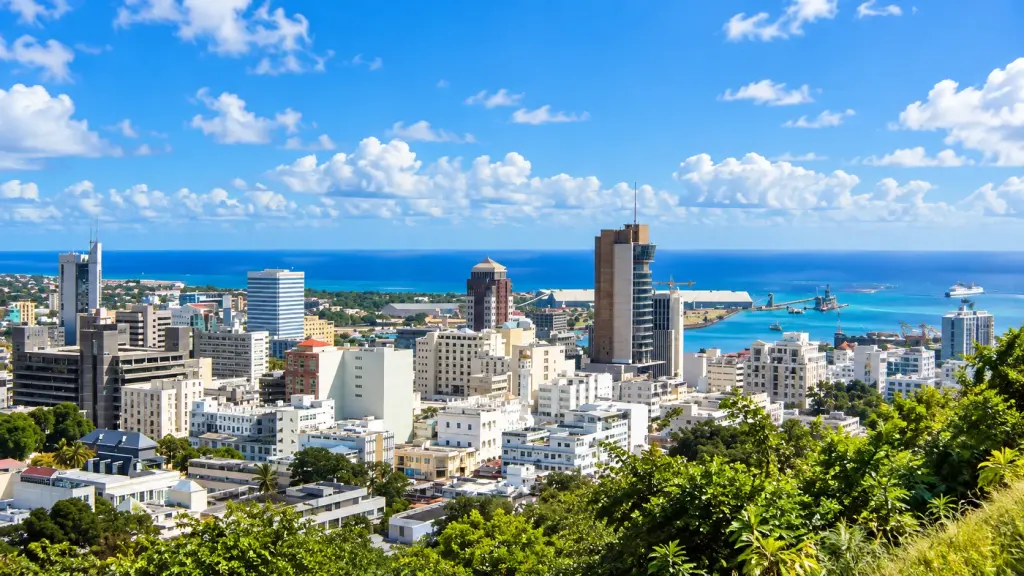
If you are thinking about moving to Mauritius, the most useful question is not whether the island is “cheap” or “expensive”. It is how much money you need each month for the lifestyle you actually want.
A single person living in a modest apartment away from the most expensive coastal areas can manage on considerably less than someone renting in Grand Baie or Tamarin, running a car and regularly buying imported food. Families face another major expense: international-school fees can easily become one of the largest items in the household budget.
For most expats in 2026, a realistic starting budget is roughly Rs50,000 to Rs70,000 per month for a relatively modest single-person lifestyle. A single person wanting a modern apartment in a popular coastal area will be closer to Rs70,000 to Rs100,000, while couples and families need considerably more.
These are planning ranges rather than official government averages. The latest Household Budget Survey from Statistics Mauritius found that the average Mauritian household spent Rs41,870 per month in 2023, with an average household size of 3.2 people. Expats frequently spend more because they rent furnished properties in higher-demand areas, use private healthcare, own cars and may pay for international education.
How Much Does It Cost to Live in Mauritius?
| Household | Realistic Monthly Budget | What This Usually Means |
|---|---|---|
| Single person, modest lifestyle | Rs50,000–70,000 | Inland or lower-cost rent, mostly cooking at home, limited car costs |
| Single person, coastal expat lifestyle | Rs70,000–100,000+ | Modern coastal apartment, car, restaurants and imported groceries |
| Couple | Rs90,000–140,000+ | One- or two-bedroom home, one car and regular leisure spending |
| Family of four | Rs140,000–220,000+ | Three-bedroom home, car, groceries and family expenses before major school fees |
| Higher-end family lifestyle | Rs220,000+ | Premium coastal home, international schools, multiple cars and frequent dining out |
The biggest variables are rent, schooling and transport. Two people earning exactly the same income can have completely different experiences depending on whether they rent a Rs30,000 apartment in Mahébourg or a Rs100,000 family property in Tamarin.
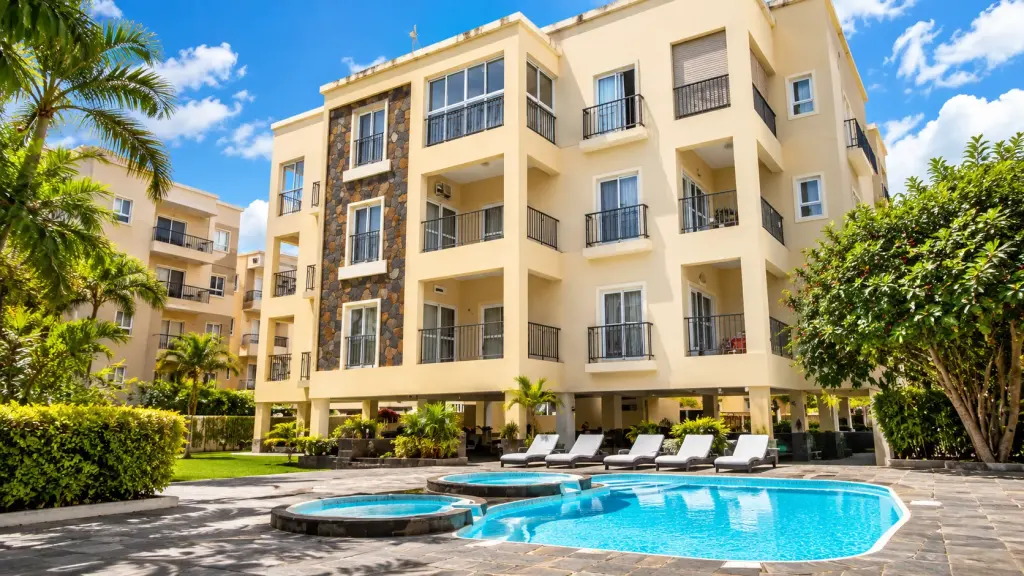
Rent Is Usually the Biggest Expense
Housing is where location makes the greatest difference. Mauritius is small, but the rental markets in Grand Baie, Tamarin, Moka and Mahébourg are very different.
Current 2026 asking-price data puts a typical one-bedroom apartment in Grand Baie at around Rs27,000 per month, while two-bedroom units average closer to Rs55,000. Tamarin is more expensive, with one-bedroom apartments averaging around Rs39,000 and two bedrooms around Rs60,000. Three-bedroom properties in both areas can move towards Rs90,000 to Rs100,000 or substantially higher for villas and premium developments.
Flic en Flac is generally better value than Tamarin while still giving you a west-coast beach lifestyle. Current asking prices are approximately Rs35,000 for one bedroom and Rs43,000 for two bedrooms.
Moka should no longer be thought of as a cheap inland alternative. New developments and strong demand from professionals and families have pushed typical prices higher, with current averages around Rs36,500 for one bedroom and Rs57,000 for two.
For lower rents, areas such as Quatre Bornes, Rose Hill, Curepipe and Mahébourg are worth considering. Mahébourg currently has one-bedroom averages closer to Rs22,000 and two bedrooms around Rs26,000.
The lesson is simple: do not build a Mauritius budget until you know where you intend to live. Our Mauritius rent prices guide compares the main expat areas in much more detail.
Groceries: Affordable If You Adapt, Expensive If You Import Your Lifestyle
Food is another category where personal habits make a large difference. Rice, lentils, vegetables, bread, ordinary chicken and mainstream supermarket products can form the basis of a relatively affordable weekly shop. Imported cheese, speciality meat, foreign cereals, premium snacks and specific overseas brands are where the bill starts climbing.
As a practical 2026 planning range, a single person who mostly cooks at home using everyday ingredients might spend around Rs6,000 to Rs10,000 per month on groceries. Someone regularly buying premium imported products can easily spend Rs10,000 to Rs16,000 or more. Couples might budget roughly Rs10,000 to Rs16,000, while a family can easily spend Rs15,000 to Rs25,000 or considerably more depending on diet.
Local markets are useful for seasonal vegetables, fruit and herbs, while supermarkets such as Winners, Super U, Intermart and Dream Price are convenient for packaged food, dairy, household products and frozen items.
Fresh produce prices can change quickly after heavy rain or tropical weather, so tomatoes and leafy vegetables occasionally become surprisingly expensive for short periods.
For current supermarket examples, see our guide to grocery prices in Mauritius.

Utilities and Internet
Utility costs are usually manageable compared with rent, but electricity can vary considerably between properties. A small apartment where air conditioning is used occasionally costs far less to run than a large villa with several air-conditioning units, a swimming-pool pump and electric appliances running throughout the day.
For budgeting purposes, setting aside roughly Rs4,000 to Rs8,000 per month for electricity, water and home internet is a reasonable starting allowance for many apartments and smaller homes. Large air-conditioned villas can exceed this considerably.
The good news for remote workers is that internet infrastructure is strong. Fibre broadband is widely available in populated areas, while 4G and 5G mobile networks provide useful backup connections. You do not normally need to pay international-city prices for fast home internet.
If your income depends on remote work, confirm that fibre is installed at the exact property before signing a lease rather than assuming coverage based purely on the neighbourhood.
Our internet in Mauritius guide explains fibre, mobile data and home-internet options in more detail.
Transport: Cheap Without a Car, Much More Expensive With One
Public transport in Mauritius is inexpensive. Buses serve most towns and villages, while the Metro Express provides a modern connection through the main central corridor between Port Louis and Curepipe, including Rose Hill and Quatre Bornes, with a branch towards Ebène and Réduit.
The problem is convenience. Many of the areas most popular with expats, including Tamarin, Black River, La Gaulette and large parts of the north and east, are much easier to live in with a car.
Car ownership adds fuel, insurance, servicing, registration and depreciation to your monthly costs. Cars themselves also tend to be expensive relative to markets such as Europe because Mauritius imports most vehicles and applies taxes and duties.
A household relying mainly on buses and the Metro might spend only a few thousand rupees a month on transport. A household running one or two cars can spend many times that amount, even before including loan repayments or the cost of buying the vehicles.
For most families, it is worth choosing a home close to work or school even if the rent is slightly higher. Saving Rs10,000 on rent loses some of its appeal if it results in two long rush-hour drives every day.
Our Mauritius transport guide compares cars, buses, taxis and the Metro.
Eating Out and Everyday Leisure
Mauritius gives you an unusually wide range of food budgets. Street food remains inexpensive, so dholl puri, roti, noodles and other local meals can cost very little compared with restaurant dining.
At the other end of the market, restaurants around Grand Baie, Tamarin, Black River and hotel areas can charge prices that feel much closer to Europe or the Gulf. If you eat brunch, lunch and dinner in expat-oriented venues several times a week, your monthly food budget can rise quickly.
This is one reason living here is very different from holidaying here. A resident can eat extremely well without spending heavily by using local snacks, markets and ordinary restaurants rather than treating every meal like a resort experience.
For examples of everyday prices, see our Mauritian street food price guide.
Healthcare Costs
Mauritius has a public healthcare system as well as private hospitals and clinics. Many international residents choose private healthcare for everyday consultations because appointments can be faster and facilities more comfortable.
The cost of healthcare therefore depends heavily on whether you are paying directly for occasional private treatment or maintaining comprehensive private insurance.
I would avoid building a relocation budget around one generic health-insurance figure because age, medical history, family size and level of cover make an enormous difference. Instead, obtain quotes before moving and check whether your policy includes emergency hospitalisation and medical evacuation.
This is particularly important for anyone with a complex medical condition. Mauritius has good routine private care, but certain highly specialised treatments may require travelling overseas.
International Schools Can Transform a Family Budget
If you are moving with children, this is one of the most important expenses to calculate before choosing a property.
International-school tuition varies enormously. Current 2026 fees across major English-medium schools range from roughly Rs180,000 a year at the lower end to more than Rs650,000 per year for older expatriate students at some premium schools.
That means school fees can add an equivalent of roughly Rs15,000 to more than Rs50,000 per month for each child before enrolment fees, deposits, transport, meals, books and activities.
A family with two children in international education can therefore spend more on schooling than another household spends on rent.
Do not choose your home and then start looking for schools. Ideally, shortlist the school first and then choose an area that produces a reasonable daily commute. Our guide to international schools in Mauritius compares current fees, curricula and locations.

How Location Changes Your Cost of Living
Grand Baie and Pereybere are convenient and social but generally command higher rents. Tamarin and Black River offer an attractive outdoor lifestyle but have also become expensive. Flic en Flac provides better-value west-coast living, while Mahébourg can offer substantially lower rents for people who do not need to commute to the north or central business districts.
Moka is practical for schools and work around Ebène, but the idea that moving inland automatically means cheap rent is outdated. If value matters more than living inside a modern development, Quatre Bornes, Rose Hill and Curepipe may make more sense.
This geographical difference is why broad claims such as “Mauritius costs $1,500 per month” are not particularly useful. A person living in Mahébourg without a car has a completely different budget from a family in a Black River villa with two cars and private schooling.
How to Lower Your Monthly Costs
The easiest saving is housing. Living ten minutes inland rather than directly on the beach can reduce rent significantly without dramatically changing your lifestyle.
Food is next. Build meals around everyday supermarket products, seasonal vegetables, rice, lentils and local proteins rather than imported speciality products. Use markets where they are convenient, but still compare supermarket promotions because markets are not automatically cheaper every day.
Location can also save money indirectly. Living near work or school reduces fuel, maintenance and time spent in traffic. If you can realistically use the Metro, a central location can make running a second car unnecessary.
Finally, do not try to recreate exactly the lifestyle you had overseas. Mauritius becomes much more expensive when every supermarket product, restaurant and service needs to match a specific European, Australian or North American equivalent.
Is Mauritius Cheap or Expensive?
The most accurate answer is that Mauritius sits somewhere in the middle.
It is possible to live relatively simply by renting away from premium coastal locations, shopping locally and using public transport. At the same time, an expat lifestyle built around a modern coastal apartment, imported groceries, private healthcare, international schools, cars and frequent restaurant meals can become expensive very quickly.
The island tends to work particularly well financially for people earning salaries, pensions or business income from overseas. The relationship between local salaries and premium coastal rents is very different, which is why it is misleading to describe Mauritius simply as a cheap place to live.
If you are considering relocating, I would build your budget around the three biggest decisions first: where you will live, whether you need a car and whether you will pay school fees. Once those numbers are known, groceries and everyday spending are much easier to estimate.
Cost of Living vs the Average Mauritian Household
The latest official Household Budget Survey provides useful context. Statistics Mauritius found that the average household spent Rs41,870 per month in 2023. Food and non-alcoholic drinks accounted for around a quarter of household expenditure, while transport was another major category.
That number should not be treated as an expat budget. The average household includes homeowners, people paying local rents, households without international-school expenses and residents whose spending patterns may be very different from someone newly relocating to Grand Baie or Tamarin.
Prices have also increased since the survey. The official Consumer Price Index stood above its 2023 baseline in 2026, so a 2023 household budget cannot simply be copied into a current relocation plan.
That is why the monthly ranges at the beginning of this article are better viewed as practical 2026 planning figures rather than an attempt to define one universal “cost of living”.
So, How Much Money Do You Really Need?
A single person can live in Mauritius on around Rs50,000 to Rs70,000 per month if rent is controlled and the lifestyle is relatively local. Around Rs70,000 to Rs100,000 gives a single remote worker much more flexibility to live near the coast, run a car and eat out regularly.
A couple should plan closer to Rs90,000 to Rs140,000 for a comfortable lifestyle, depending mostly on housing and transport. Families should generally start calculations around Rs140,000 to Rs220,000 per month and then add the actual cost of international schooling if required.
Those numbers are not minimum immigration requirements and they are not guarantees of a particular lifestyle. They are simply more realistic planning ranges for somebody trying to understand what day-to-day life in Mauritius costs in 2026.
If you are seriously considering moving, continue with our guides to Mauritius rent prices, grocery costs, international schools and the pros and cons of living in Mauritius.
Official Sources
Budget disclaimer: Cost-of-living figures in this article are planning estimates rather than official household budgets. Rent, school fees, utilities, healthcare, transport and food costs vary significantly according to location and lifestyle. Prices were reviewed in September 2026.


It’s a pity you don’t have a donate button! I’d most certainly donate to this fantastic
blog! I guess for now i’ll settle for bookmarking and adding
your RSS feed to my Google account. I look forward to brand new updates and will share this blog with my Facebook group.
Chat soon!