
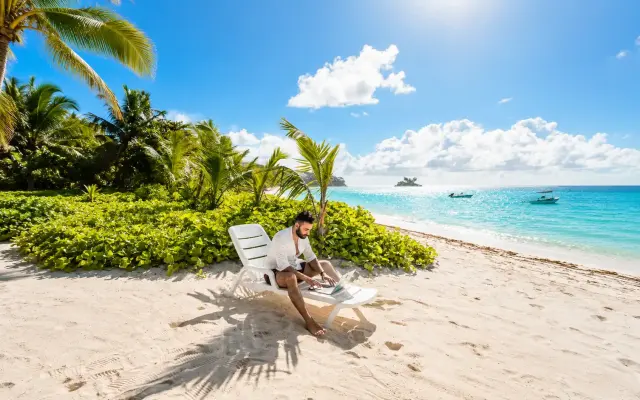
Digital Nomad Life in Mauritius – How Practical Is It?
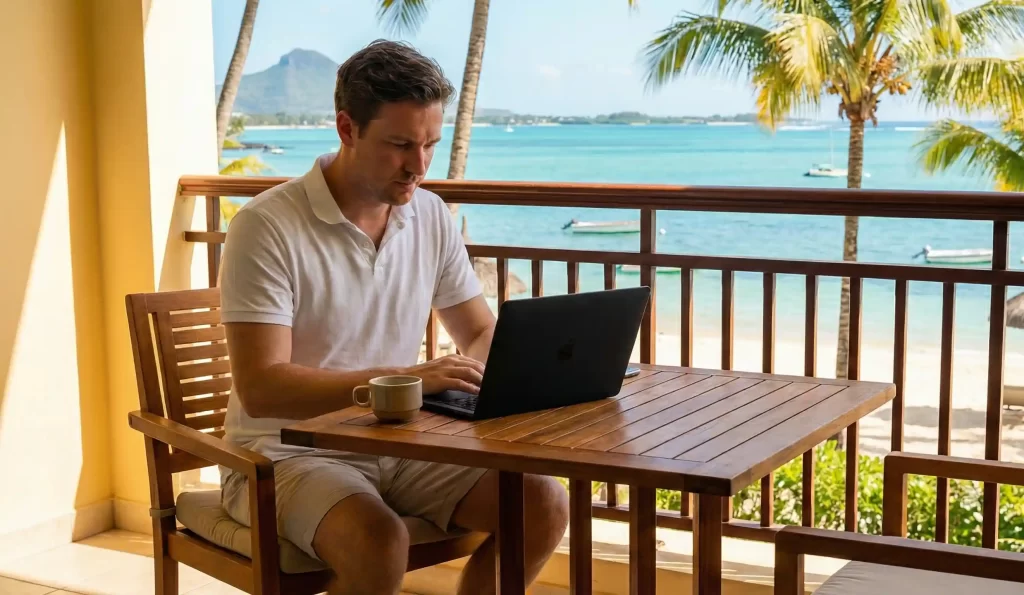
Mauritius is genuinely practical for digital nomads if you earn your income from outside the country. The island has fibre broadband, widespread 4G and expanding 5G, a dedicated one-year Premium Visa for remote workers, a growing coworking scene and a time zone that works particularly well for Europe, Africa and the Middle East.
There are trade-offs. Beachfront rent can be expensive, you will probably want a car if you live outside the main towns, and Mauritius is not a Southeast Asian-style budget destination. Your experience will also depend heavily on where you live. Working remotely from Grand Baie feels very different from living in Tamarin, Moka or the central plateau.
For the right remote worker, however, Mauritius offers something unusual: reliable enough infrastructure for a normal working week while still giving you beaches, hiking, warm weather and a relatively relaxed lifestyle once the laptop closes.
Here is what you should realistically know before trying it.
Digital Nomad Mauritius: The Quick Answer
| Question | What to Know |
|---|---|
| Can you legally work remotely? | Yes, the Premium Visa is designed for people earning from outside Mauritius |
| Visa duration | Up to one year and renewable |
| Application fee | Free |
| Internet | Fibre broadband plus 4G and 5G mobile networks |
| Time zone | UTC+4 throughout the year |
| Best areas for nomads | Grand Baie/Pereybere, Tamarin/Black River, Moka/Ebène and La Gaulette depending on lifestyle |
| Car needed? | Not always, but very useful outside well-connected urban areas |
| Local employment allowed on Premium Visa? | No. Your work and main source of income should remain outside Mauritius |
Internet: Is Mauritius Good Enough for Remote Work?
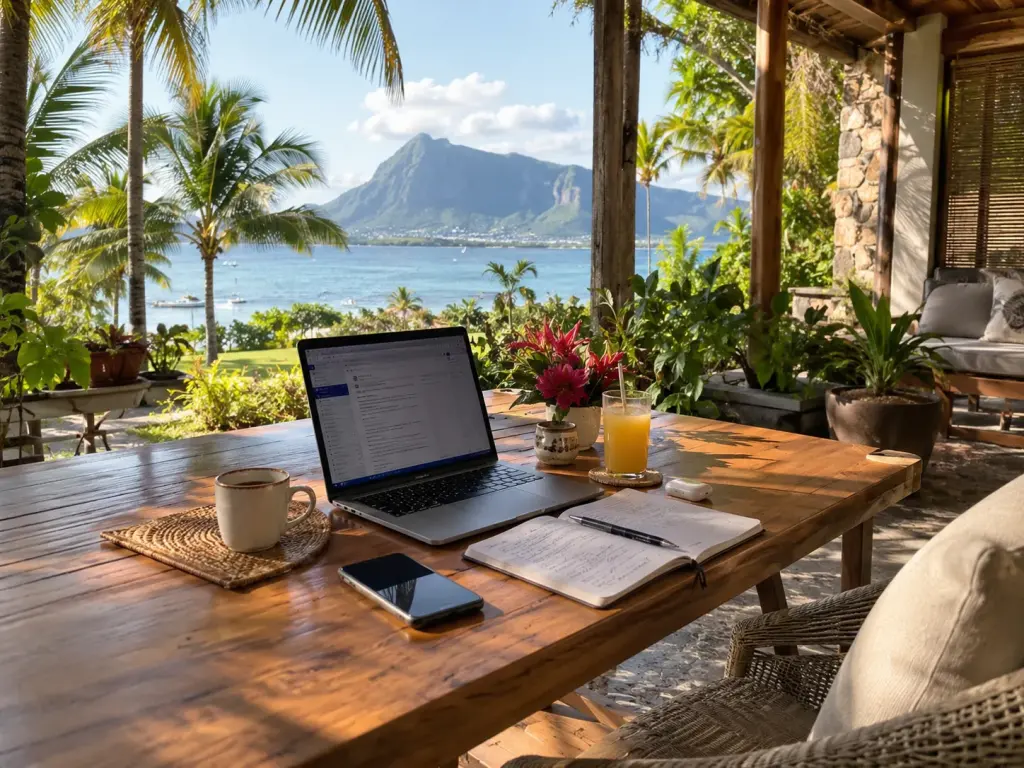
For most remote jobs, yes. Mauritius has a well-developed telecommunications network for an island of its size. Mauritius Telecom’s my.t offers fibre broadband across the island and a 5G mobile network, while Emtel also provides 4G, 5G and fixed-wireless home internet. Both networks sell mobile data options that can work as a backup if your home connection fails.
The more important issue for a digital nomad is not whether Mauritius has fast internet, but whether the specific apartment or villa you rent has a good connection and good Wi-Fi inside the property. A house can technically have fibre while still giving you poor performance from a cheap router two rooms away. If you rely on video meetings or large uploads, ask your landlord for a recent speed test from the room where you will actually work before signing a long lease.
I would also keep a mobile data connection from a different network as backup. If your home broadband is from my.t, for example, an Emtel SIM gives you some redundancy, and vice versa. This matters much more than chasing an impressive headline broadband speed.
Visitors can also buy local SIMs and eSIMs relatively easily. If you are arriving before arranging a longer-term connection, our Mauritius eSIM guide compares the easiest options, while our internet in Mauritius guide goes into more detail on fibre, mobile data and the main providers.
For normal Zoom or Teams calls, cloud work, coding, streaming and large document transfers, connectivity is unlikely to be the main reason not to choose Mauritius.
Where Should a Digital Nomad Live?
Your choice of area will probably affect your Mauritius experience more than your choice of coworking space. There is no single digital-nomad district, and each part of the island suits a different type of remote worker.
| Area | Best For | Main Drawback |
|---|---|---|
| Grand Baie / Pereybere | Restaurants, cafés, social life, beaches and convenience | Popular coastal property can be expensive and traffic gets busy |
| Tamarin / Black River | Surfing, hiking, outdoor lifestyle and west-coast sunsets | A car is particularly useful |
| La Gaulette | Le Morne, kitesurfing, relaxed lifestyle and a smaller-community feel | Less urban convenience and limited public transport for some journeys |
| Moka / Ebène | Professional environment, offices, coworking and central location | No beach lifestyle on your doorstep |
| Rose Hill / Quatre Bornes | Central location, Metro access and everyday local life | Busier and more urban than the coastal areas |
| Curepipe / Vacoas | Cooler climate and access to the centre of the island | Wetter and cloudier than the coast |
Grand Baie and Pereybere are probably easiest for someone arriving alone who wants cafés, restaurants, supermarkets, gyms and nightlife close by. The north also has a sizeable international community, so meeting people tends to be easier than in a quiet residential village.
Tamarin and Black River suit people who care more about the outdoors. You have beaches, surfing, Black River Gorges and relatively easy access to Le Morne, but day-to-day life is much easier with a car.
La Gaulette is especially popular with people drawn to Le Morne, kitesurfing and a more casual lifestyle. It feels much smaller than Grand Baie and will suit some remote workers perfectly while feeling too quiet for others.
If work matters more than living beside a beach, Moka and Ebène are highly practical. They sit close to major business districts and have professional workspaces, shopping and relatively central access to other parts of Mauritius.

Choosing where to live matters more than chasing the perfect coworking space. The north, west coast and central business areas offer very different lifestyles.
Coworking and Working From Cafés
Mauritius now has proper coworking options in areas including Grand Baie, Pereybere, Moka, Telfair, Ebène, Port Louis and Tamarin. That makes it possible to rent a desk, meeting room or office rather than working from your accommodation every day.
If you need to take confidential calls or spend six hours on video meetings, I would choose a coworking space over a café. Mauritian cafés are perfectly useful for an hour or two of email and laptop work, but Wi-Fi quality, plug availability, noise and seating vary considerably.
For longer stays, a good setup is often to work mainly from your apartment and buy occasional coworking access when you need a meeting room, stronger business environment or simply want to be around other people. There is no real need to structure your entire stay around one coworking provider.
The Premium Visa for Remote Workers
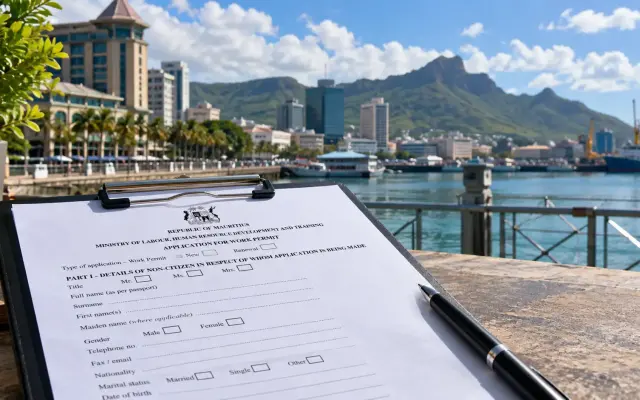
Mauritius calls its remote-work visa the Premium Visa. It is intended for long-stay visitors, retirees and professionals who want to live in Mauritius while working remotely.
The visa is currently valid for up to one year, renewable and free to apply for. The important limitation is that it is designed for people whose main business, employment and income remain outside Mauritius. It is not permission to move to Mauritius and take a normal job with a Mauritian employer.
Current published guidance generally requires applicants to demonstrate sufficient financial means, commonly around US$1,500 per month for an adult applicant plus additional funds for dependent children. Because immigration requirements can change, confirm the current figure on the Economic Development Board or Passport and Immigration Office website when applying.
The application documentation includes items such as a valid passport, proof of accommodation, return or onward travel, travel and health insurance and evidence that you can financially support your stay. Income and recent bank statements are normally used as part of that financial evidence.
If your intention is to join a Mauritian company, operate locally under a different structure or make Mauritius your longer-term professional base, you may need an Occupation Permit rather than relying on the Premium Visa.
Check the current Premium Visa information on the Mauritius Passport and Immigration Office website
Taxes: The Part You Should Not Guess About
This is where the original “stay more than six months and you become tax resident” advice becomes too simplistic.
Under current Mauritius Revenue Authority rules, an individual can be considered resident for tax purposes if they are present in Mauritius for 183 days or more during an income year. There is also a separate test covering an aggregate of 270 days across the current and two preceding income years, as well as a domicile test.
The Premium Visa also has special rules relating to foreign income and remittances. The Mauritius Revenue Authority states that money spent in Mauritius using a foreign credit or debit card is not treated as having been remitted to Mauritius for this purpose. Money transferred into a Mauritian bank account can have different tax consequences, although specific relief may apply where tax has already been paid elsewhere.
That means there is no useful one-line rule that applies to every remote worker. Your nationality, length of stay, income source, where you keep your money and your tax residence elsewhere can all matter.
If you are staying for a few months, the issue may be relatively straightforward. If you expect to spend around half the year or more in Mauritius, run a company from the island or move significant funds into Mauritius, getting individual tax advice is sensible.
See the Mauritius Revenue Authority guidance on foreign income and residence.
How Expensive Is Digital Nomad Life in Mauritius?
Mauritius is not especially cheap by global digital-nomad standards, but it is also possible to live very differently depending on the lifestyle you choose. The biggest variable is usually accommodation.
A modern furnished apartment close to the beach in Grand Baie, Pereybere, Tamarin or Black River can cost substantially more than accommodation inland. Villas with pools and short-term holiday rentals sit at the expensive end of the market. If you move away from the most popular coastal areas or sign a longer lease, the economics can change considerably.
This is why I would remove a statement such as “a one-bedroom apartment costs $200–800 per month”. It is too broad to be useful and the lower end creates unrealistic expectations for someone looking for a good furnished remote-work base in a popular area.
Groceries have the same split. Local vegetables, fruit, pulses, bread and Mauritian food can be relatively affordable, while imported brands, alcohol and specialist products can cost considerably more. Eating dholl puri or mine frite from a local snack is a completely different budget from eating brunch and dinner in Grand Baie restaurants every day.
Rather than putting one artificial monthly number on the lifestyle, work backwards from the type of accommodation and location you want. Our Mauritius rent guide and cost of living in Mauritius guide give a more detailed breakdown.
Do You Need a Car?
If you choose Grand Baie, Rose Hill, Quatre Bornes, Ebène or another reasonably well-connected area, it is possible to get by using buses, the Metro Express, taxis and walking for some journeys. The Metro is particularly useful through the Port Louis–Curepipe urban corridor and for the branch towards Ebène and Réduit.
The situation changes if you choose Tamarin, Black River, La Gaulette or a quieter coastal village. Public transport exists, but a journey that looks short on a map can involve waiting, changes or indirect routes. If you plan to combine remote work with hiking, beaches and weekend exploration, a rental car can make life significantly easier.
Our Mauritius transport guide compares cars, buses, taxis and the Metro in more detail.
Time Zone: Excellent for Europe, Harder for America
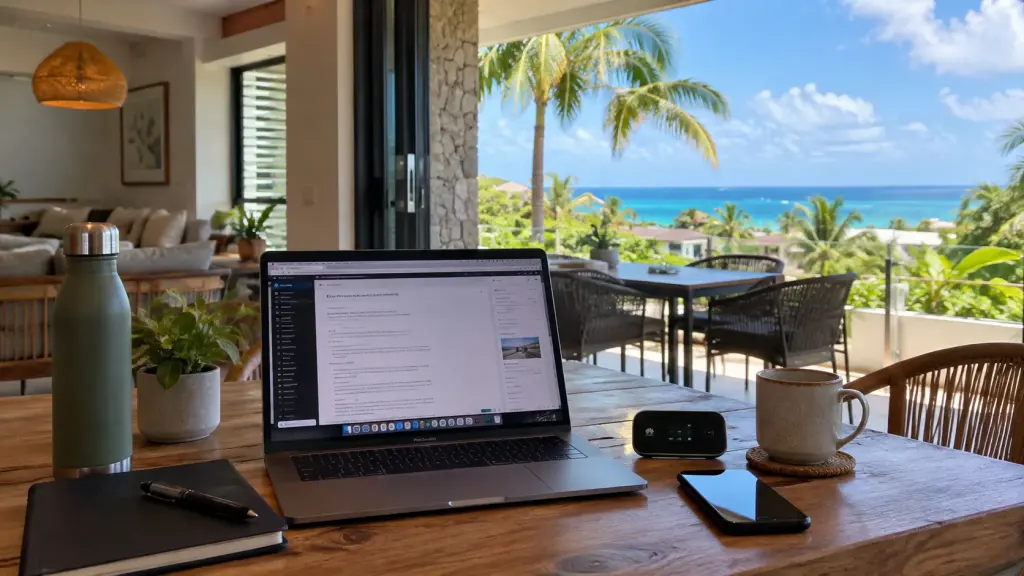
Mauritius uses Mauritius Time, UTC+4, throughout the year and does not currently change clocks for daylight saving time.
This is particularly convenient if your employer or clients are in Europe, the Middle East or Africa. Someone working with Dubai has no time difference at all, while European working hours normally begin later in the Mauritian day. That can leave your morning free for the gym, beach, errands or a hike before calls begin.
North American working hours are less convenient. Depending on the US time zone and season, regular American office hours can mean working well into the Mauritian evening or night. Before relocating, convert your actual meeting schedule rather than simply assuming remote work means your hours are flexible.
What Is Everyday Life Actually Like?
This is where Mauritius has a genuine advantage over destinations that are good for working but not particularly interesting outside the laptop. The island is compact enough that a weekday can include a normal working day followed by a swim, sunset at the beach or dinner somewhere completely different from where you live.
Weekends give you more range. Le Morne, Black River Gorges, Chamarel, the northern beaches, diving, snorkelling and boat trips are all realistic without needing to take an internal flight or plan a long expedition. If outdoor activities matter to you, see our guide to the best hikes in Mauritius.
The social side depends heavily on location and personality. Grand Baie and the north offer more nightlife, restaurants and an international crowd. Tamarin and La Gaulette attract people interested in surfing, kitesurfing and outdoor life. Moka and Ebène feel more professional and urban. Living in a small residential village can be wonderfully peaceful but will not automatically give you a ready-made digital-nomad community.
Learning a little Mauritian Creole also changes the experience considerably. You can live entirely in an expat bubble if you want to, but Mauritius becomes much more interesting when you interact with ordinary neighbourhoods, markets and local food rather than treating it as one long resort stay.
What Are the Downsides?
The first is transport. Mauritius is small on a map but traffic can make journeys frustrating, especially around Port Louis and the main central corridors at busy times. Choosing a beautiful villa 45 minutes from everything you do may stop feeling idyllic by week three.
The second is cost. Mauritius can offer good value for someone earning a strong foreign salary, but it should not be sold as an ultra-cheap digital-nomad destination. Coastal rent, imported groceries, eating out frequently and running a car add up.
The third is weather. Remote work is possible throughout the year, but January to March is hotter, more humid and wetter, while tropical systems can occasionally disrupt flights, electricity or daily plans during the cyclone season. If you are free to choose your dates, September to November offers one of the best overall weather windows, with October particularly attractive. See our best time to visit Mauritius guide for the month-by-month climate.
Finally, Mauritius is an island. That sounds obvious until you live here. International flights, imported goods and specialist products may cost more, and you cannot simply jump on a train to another country for the weekend. Some people love that contained island lifestyle; others eventually find it limiting.
So, Is Mauritius Good for Digital Nomads?
Yes, particularly for remote professionals who earn abroad and want to stay for several months rather than race through the country in two weeks. The combination of the Premium Visa, strong telecommunications infrastructure, English and French usage, UTC+4 time zone and a high quality of life makes Mauritius a credible remote-work base rather than simply a holiday destination with Wi-Fi.
It suits people working with European, African and Middle Eastern time zones especially well. It also works well for couples and families who want beaches and outdoor activities without giving up access to schools, supermarkets, healthcare and modern infrastructure.
I would hesitate if your main goal is finding the cheapest possible nomad destination, if you need to work US West Coast office hours every day or if you dislike relying on a car. In those cases, the island lifestyle may not compensate for the practical compromises.
For everyone else, the best strategy is to test Mauritius before committing to a full year. Spend several weeks here, try the area you are considering living in, test the internet from your actual accommodation and see how the time difference fits your working day. Mauritius is easy to romanticise from a photograph, but it is much more useful to discover whether the everyday version works for you.
Official Sources
- Mauritius Passport and Immigration Office – Premium Visa
- Economic Development Board Mauritius – Work and Live
- Mauritius Revenue Authority – Foreign Income and Tax Residence
Visa and tax disclaimer: Immigration and tax rules can change and individual tax treatment depends on personal circumstances. Check the current Premium Visa requirements with the Economic Development Board or Passport and Immigration Office and obtain professional tax advice where necessary.


Questions and tips