Hidden Gems in Mauritius (Updated)
Most people come to Mauritius to flop onto a sun lounger, hold a cocktail that costs more than their lunch, and not move for seven days. And that is fine. We all need to recharge. But if you spend your entire holiday fighting for a beach towel radius at a resort, you are missing the point. You are missing the soul of the island.
Mauritius is like an iceberg (but warmer). The resorts are just the tip. Beneath the surface lies a treasure trove of Hidden Gems in Mauritius, dramatic landscapes, sleeping volcanoes, and wine made from lychees (yes, really).
If you are the type of traveler who likes to escape the “well-trodden path” (tourist speak for “crowded”), this guide is for you. We have curated a list of the island’s best-kept secrets. So, put down the piña colada, grab your hiking boots, and let’s explore the real Mauritius.
Contents
Geological Wonders: When Nature Shows Off
Mauritius was born from volcanoes, and nature has left some pretty spectacular scars to prove it.
Trou aux Cerfs: The Sleeping Giant
Located in the central highlands near Curepipe, Trou aux Cerfs is a dormant volcano. Now, before you panic and look for the nearest exit, it has been asleep for about 700,000 years. Experts say it could wake up in the next thousand years, but the odds are in your favor for a Tuesday morning jog.
Rising 605 meters above sea level, this isn’t just a hole in the ground. It is a lush, green crater about 350 meters wide with a small lake at the bottom. It feels like a scene from The Land Before Time, minus the dinosaurs (unfortunately). The rim is surrounded by a dense forest of pine trees, creating a misty, otherworldly atmosphere that feels miles away from the humid coast.
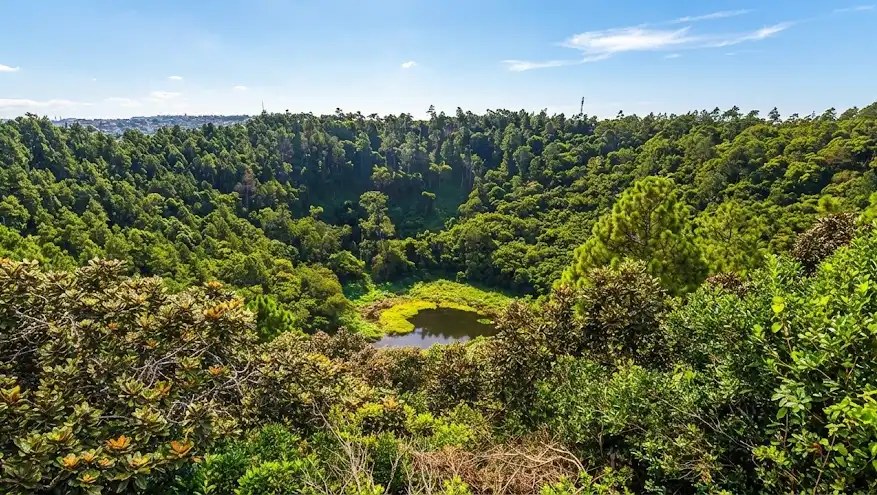
Why visit? The views. You get a 360-degree panorama of the town of Curepipe, the Rempart Mountain, and the Port-Louis-Moka range. It is also a popular jogging spot for locals, so you can pretend to be athletic while enjoying the view. Go early in the morning to catch the mist clearing; it is magical.
The Seven Coloured Earths of Chamarel
Okay, this one is arguably the least “hidden” of the Hidden Gems in Mauritius, but it is too weird to leave out. Located in the Rivière Noire District, this geological marvel looks like a sand dune that fell into a tie-dye machine.
The dunes feature seven distinct colors: red, brown, violet, green, blue, purple, and yellow. It is not a trick of the light; it is chemistry. The basaltic lava decomposed into clay minerals, with iron oxide creating the reds and aluminum oxide creating the blues and greens. The coolest part? If you mix the sands together, they will spontaneously separate back into their color layers. It is like nature’s magic trick.
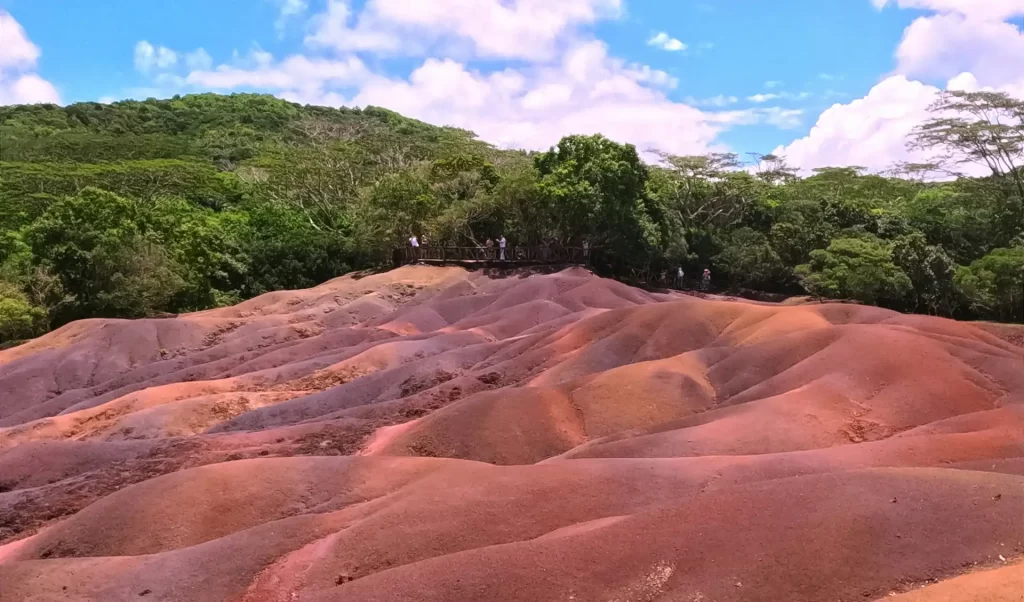
Pro Tip: It is a protected site (no, you cannot roll in it), but there are observation outposts. Visit at sunrise. The light hits the dew on the dunes, and the colors pop in a way that Instagram filters can only dream of.
Pont Naturel: The Bridge to Nowhere
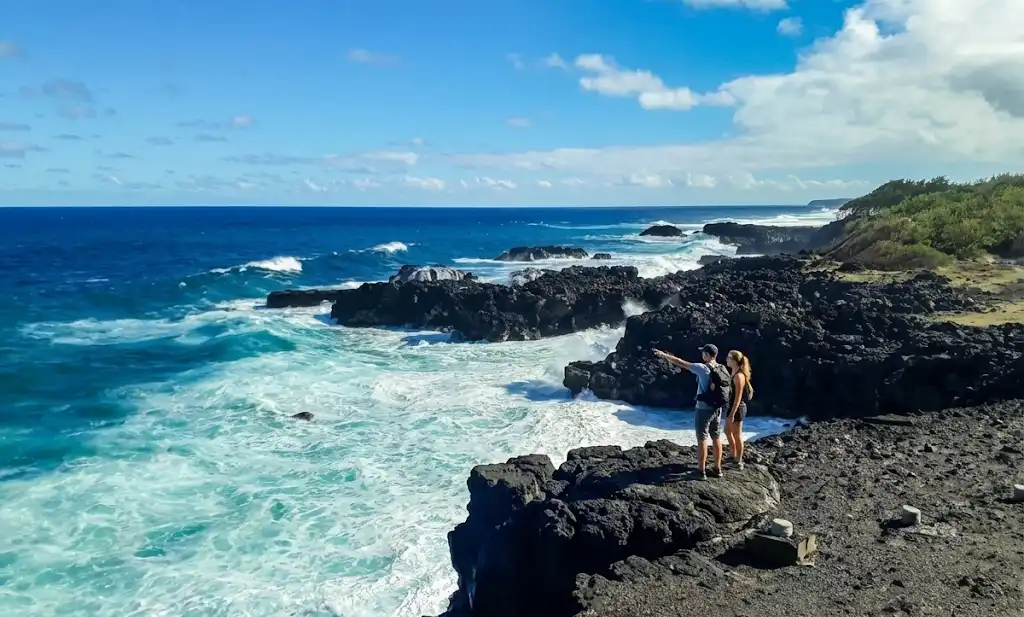
On the rugged southeast coast, near Le Bouchon, lies Pont Naturel. This is a “bridge” made entirely of volcanic rock, formed by millions of years of angry waves smashing against the cliffs. It stretches two meters across swirling, glacier-blue water.
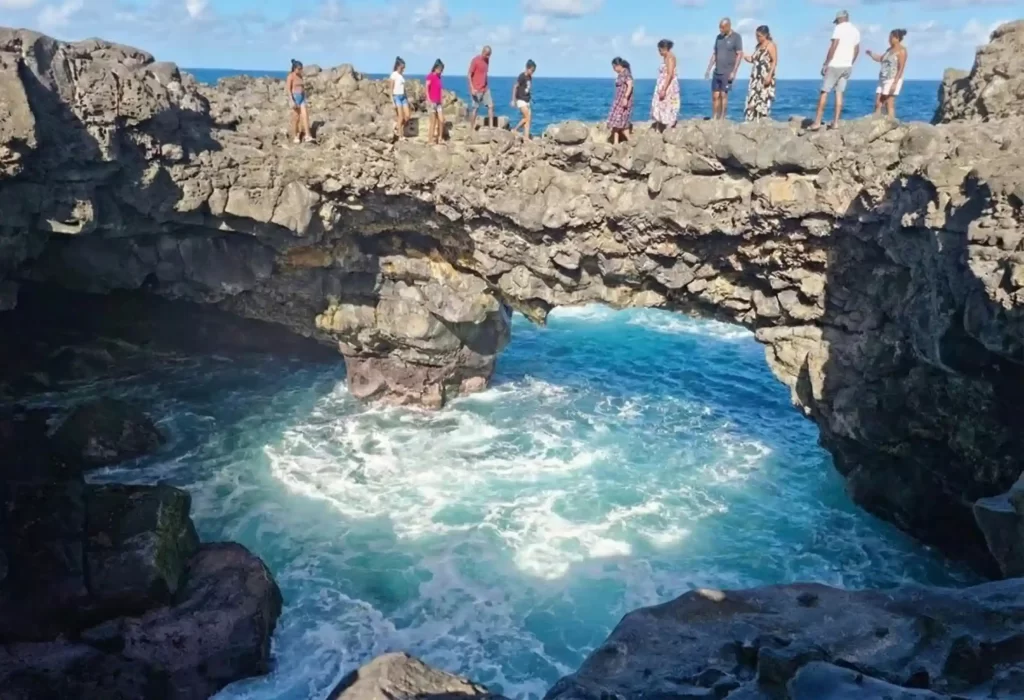
It looks man-made, but it is 100% natural. The ocean here is fierce. Water rushes through tiny holes in the rock, creating a whistling sound known locally as “le souffler” (the blower). It sounds like the ocean is whistling a tune, usually a very loud, aggressive one. Do not swim here unless you have a death wish, but definitely bring your camera. The spray, the noise, and the raw power of the ocean make it one of the most dramatic spots on the island.
Dramatic Waterfalls: Chasing Cascades
If you think all waterfalls look the same, Mauritius is here to prove you wrong.
Rochester Falls: The Bollywood Star
Hidden in the Savanne district near Souillac, Rochester Falls is not your average waterfall. It is famous for its unique geology. The water tumbles over rectangular flank rocks that look like giant stone columns pushing out of the earth.
It is the widest waterfall in Mauritius and falls about 10 meters into a pool that is perfect for swimming. It is so picturesque that it has been featured in several Bollywood movies. You might see locals diving from the top of the jagged rocks—a feat that looks impressive and terrifying in equal measure. We recommend sticking to the swimming part.
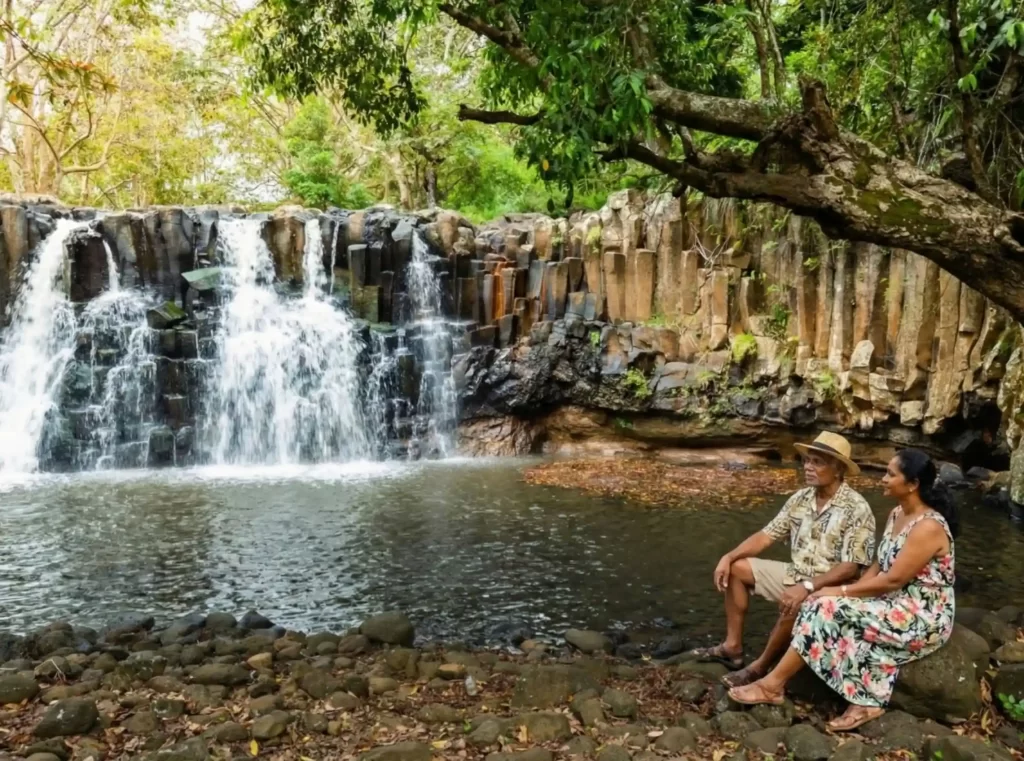
Getting there: The path can be rugged (it winds through sugar cane fields), but it adds to the adventure. Pack a picnic; it is a great spot to lose a few hours.
Le Souffleur: The Hidden Blowhole
For those who like their nature with a side of violence, head to Le Souffleur near L’Escalier. This is a natural blowhole where the waves crash into a sea cave and shoot water high into the air like a geyser.
It is remote. Public transport does not go here. You need a car, preferably a 4×4, because the road is bumpy enough to rearrange your spine. But the journey is worth it. You walk past old sugar mill ruins and through coconut groves to find a coastline that feels untouched by time. It is just you, the basalt cliffs, and the roar of the Indian Ocean.
The Secret Beach: Savinia Beach
You might think finding an empty beach in Mauritius is impossible. Enter Savinia Beach. Located in the south, near Le Souffleur, this is arguably the most uncrowded shoreline on the island.
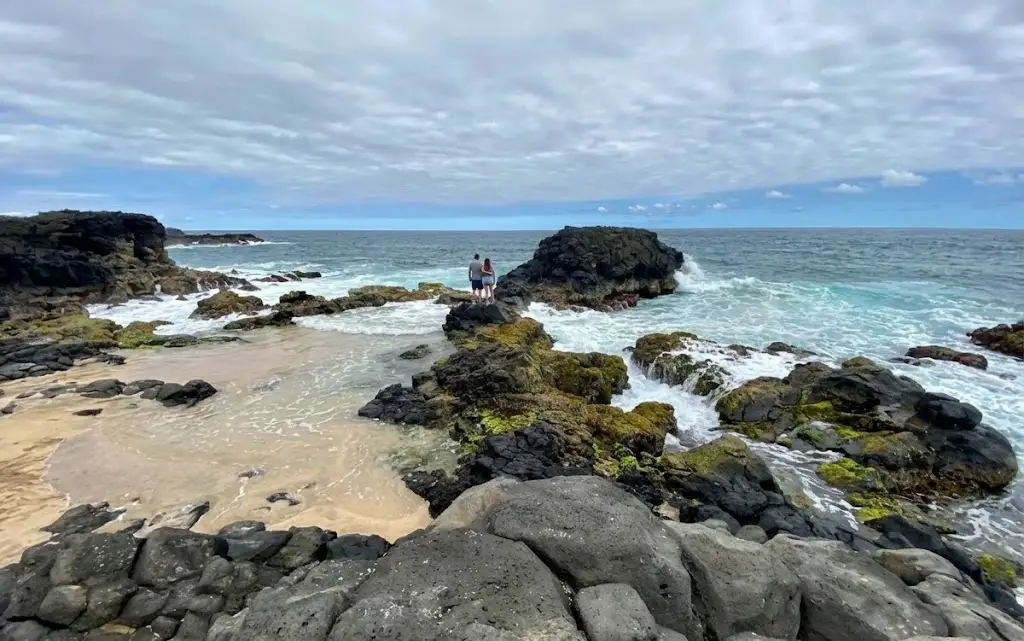
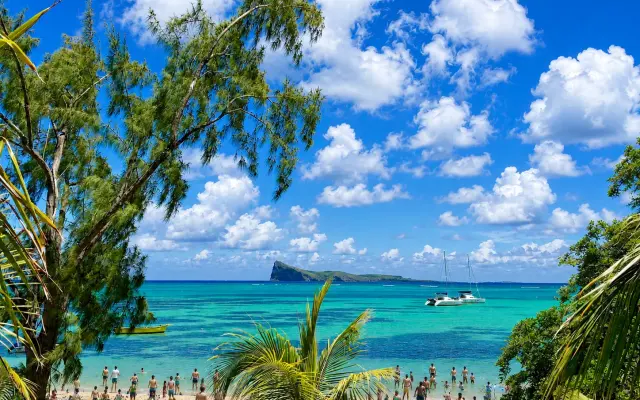
There are no sunbeds. There are no guys trying to sell you a catamaran tour. There are no hotels. It is just pristine gold sand and turquoise water. Because it requires a bit of effort to find (you have to take the Le Souffleur access road and find a specific downhill path), most tourists never see it. It is a sanctuary. Just bring your own food and water, because there is no beach bar to save you if you get thirsty.
Botanical and Conservation: Saving the Dodo’s Friends
Mauritius learned a hard lesson with the Dodo (read our Dodo Bird History for the full tragic tale). Now, conservation is a big deal.
Île aux Aigrettes: The Ark
This small coral island in Mahébourg Bay is a time capsule. It is a nature reserve that shows you what Mauritius looked like 400 years ago, before humans arrived and ruined everything.
The Mauritius Wildlife Foundation has spent decades removing invasive rats and weeds to replant the native Ebony forest. Now, it is a sanctuary for species that were on the brink of extinction. You can see the Pink Pigeon, the Mauritius Fody, and giant tortoises roaming free. It is called “Île aux Aigrettes” after the egrets that used to live there in the 1600s.
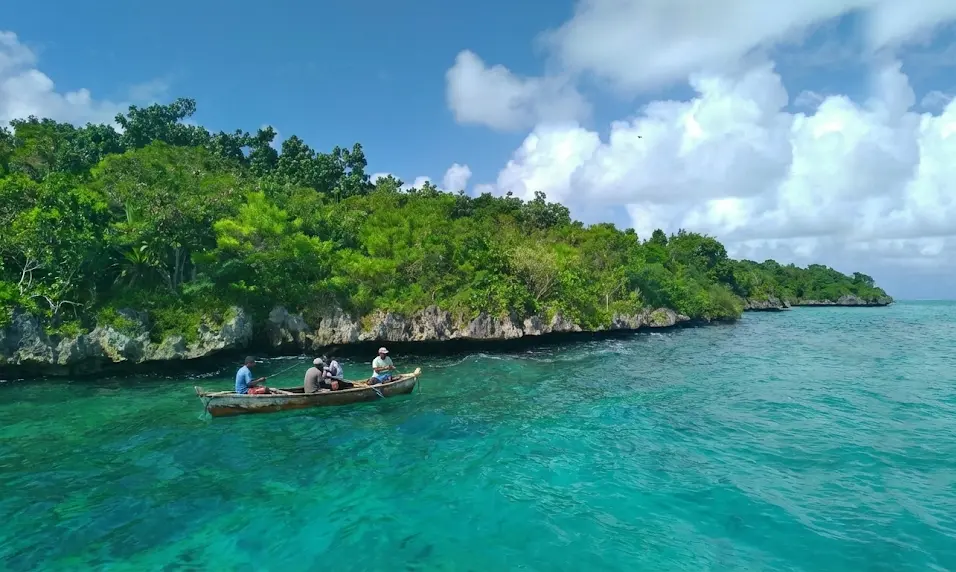
The Experience: You cannot just wander on. You need to book a guided eco-tour. It is worth every rupee. Your money goes directly back into conservation, so you get to feel like a good person while looking at cute birds.
La Vallée de Ferney: A Forest Rescued
In the Bambou Mountains lies La Vallée de Ferney. In 2004, this 200-hectare forest was going to be bulldozed for a highway. Thankfully, environmentalists fought back, and it is now a conservation trust.
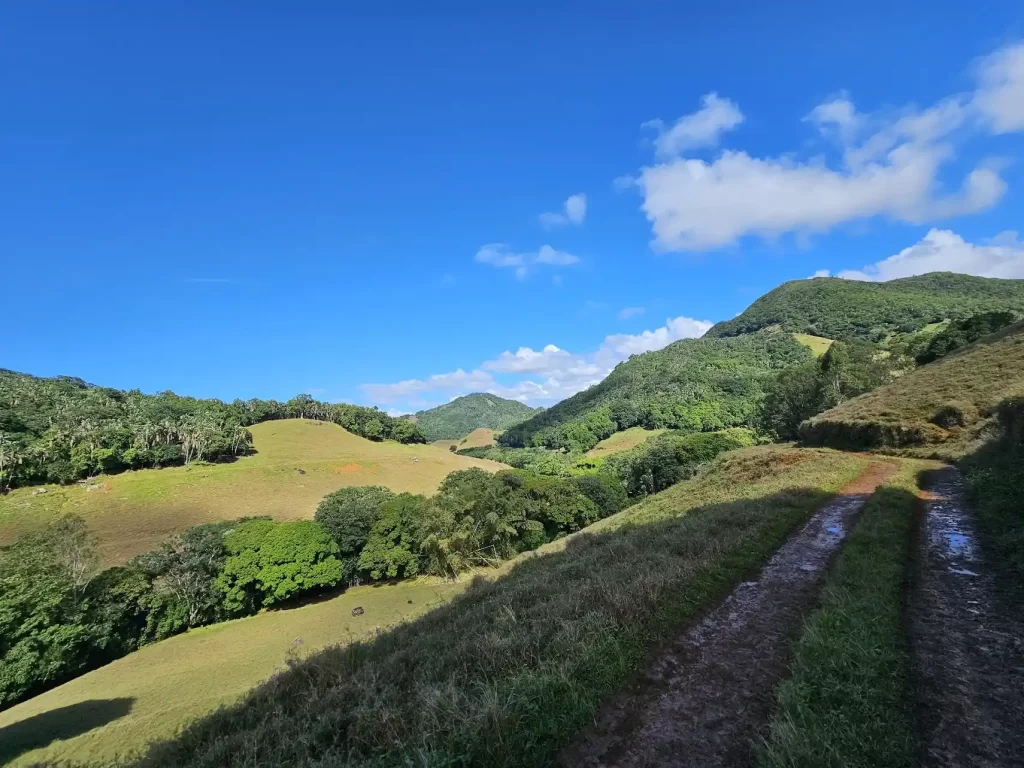
It is a haven for the Mauritius Kestrel (once the rarest bird in the world) and the Echo Parakeet. The forest is thick with Ebony and Takamaka trees. There are hiking circuits that offer sweeping views of the southeast lagoon. It is peaceful, green, and a reminder that sometimes, nature wins.
Culinary Curiosities: Wine and Vanilla
Mauritius isn’t just about curry. It is about innovation.
Takamaka Boutique Winery: Lychee Wine?
Yes, you read that right. Located in Mare aux Vacoas, Takamaka Boutique Winery is the only winery in the world dedicated exclusively to lychee wine. Founded by Alexander Oxenham (the island’s only trained oenologist), this place is a testament to Mauritian creativity.
They treat lychees like grapes. The fruit is hand-peeled (a labor of love) and fermented for weeks. The result is a wine that is full of character—floral, sweet, but with a serious backbone. A tour here includes a walk through the production facility and, crucially, a tasting session. It is a unique souvenir that will confuse and delight your dinner guests back home.
Saint-Julien Vanilla Plantation
If you prefer your flavors non-alcoholic, head to the Plantation Vanille St Julien d’Hotman. This is an organic farm dedicated to the vanilla orchid. Vanilla is notoriously difficult to grow (each flower must be pollinated by hand), and this farm shows you the sheer effort that goes into that tiny bottle of essence. It is a beautiful, fragrant oasis that connects you to the island’s agricultural roots.
Spiritual Sanctuaries: Finding Peace
Beyond the hustle of the markets, there are places of profound silence among these Hidden Gems in Mauritius.
Cap Malheureux: The Red Roof
You have seen it on postcards. The Notre Dame Auxiliatrice Chapel in Cap Malheureux is famous for its bright red roof that pops against the blue sea and sky. It is located at the very north of the island.
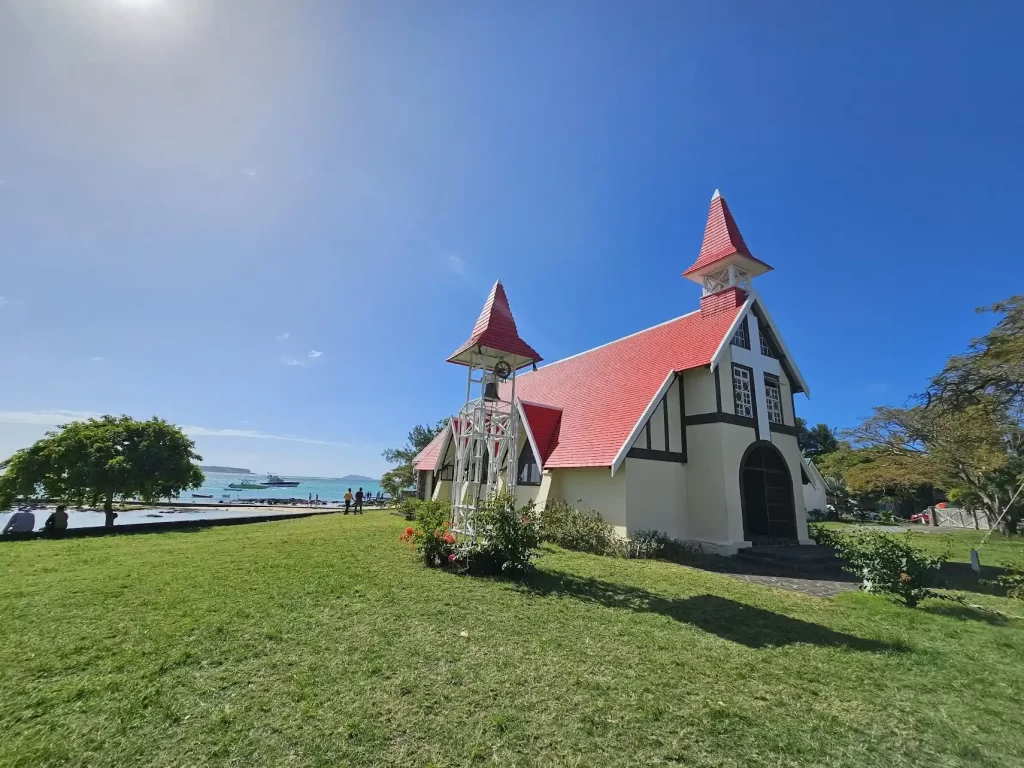
Historically, this is where the British landed in 1810 to take the island from the French. Today, it is a quiet fishing village. Go inside the church; there is a holy water basin made from a giant clam shell, which is the most tropical thing ever. The vibe here is authentic and tranquil, a world away from the busy tourist strip of Grand Baie nearby.
Tien Tan Pagoda: The Hidden Temple
Tucked at the foot of Signal Mountain in Port Louis is the Tien Tan Pagoda. Built in the 1960s, it is a colorful, architectural beauty that many visitors miss. It sits in a secluded garden, shielded from the city noise.
It feels like a secret garden. The architecture is distinctly Chinese, reflecting the rich heritage of the Sino-Mauritian community. It is a place for quiet contemplation. If you need a break from the heat and the chaos of the capital, this is your sanctuary.
Grand Bassin: The Sacred Lake
Also known as Ganga Talao, this is not exactly “hidden” to locals, but it is often overlooked by beach-goers. It is a crater lake high in the mountains, considered the most sacred Hindu site in Mauritius.
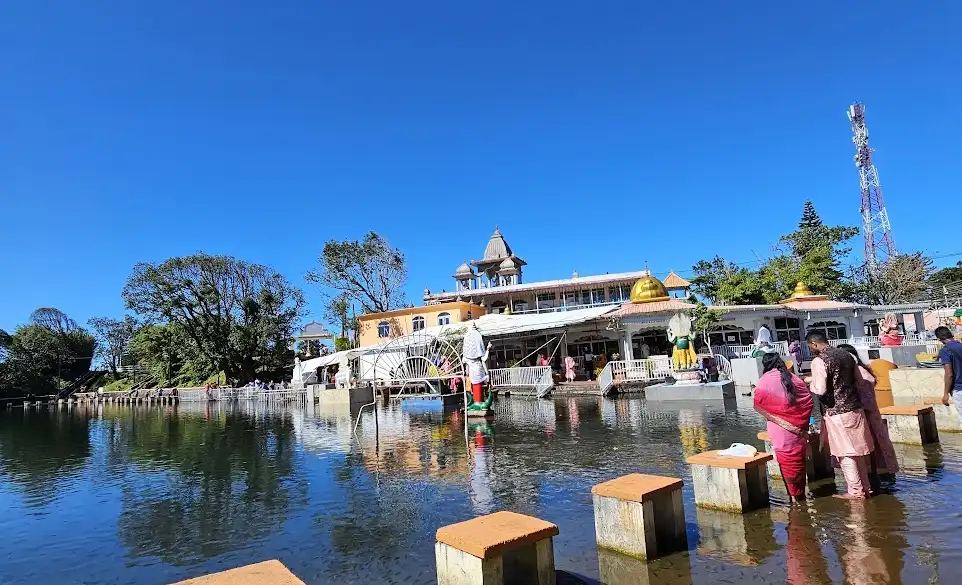
Legend has it that the water communicates with the Ganges in India. You will be greeted by a massive 108-foot statue of Lord Shiva (you cannot miss him). The lake is surrounded by temples and shrines. The air smells of incense and sounds of bells ringing. It is also surrounded by the Black River Gorges, home to monkeys who are very cute but will absolutely steal your snacks.
Adventure and Hiking: Earning Your Dinner
If you want to see the best views, you have to sweat for them.
Pieter Both: The Head in the Clouds
Look at the Moka mountain range, and you will see a peak with a giant rock balanced on top that looks like a human head. That is Pieter Both, named after a Dutch Governor-General.
Hiking this is a two-stage affair. Getting to the “shoulder” is a tough hike but doable. Getting to the top of the “head”? That is for pros. It requires ropes and rock climbing gear. The iron rungs that used to be there are rusting away, so do not attempt the summit unless you know what you are doing. But even the view from the shoulder—looking down over the entire island—is worth the burning thighs.
La Nicolière: The Scottish Highlands of Mauritius
Near Moka, there is a reservoir called La Nicolière. Surrounded by dense pine forests, it feels more like Scotland than a tropical island. It is cool, misty, and quiet.
The hiking trails here take you around the mountain and over old bridges. The air is crisp. You can see rivers flowing and, on a clear day, views stretching all the way to the northern plains. It is a favorite spot for locals to escape the summer heat.
Sophie Nature Walk
While everyone flocks to Grand Bassin, few venture into the Sophie Nature Walk nearby. This is a dense forest trail that offers silence and shade. It has picnic tables, a small forest museum, and plenty of monkeys. It is an easy, enchanting walk that lets you soak up the indigenous flora without the crowds.
Local Life: Flacq Market
We saved the loudest for last. Located in the east, Flacq Market is the largest open-air market on the island. It is a sensory explosion.
Thousands of people descend here every week, especially on Wednesdays and Sundays. It is the best place to buy tropical fruit, cheap clothes, and spices. But the real draw is the street food. You must try the gato arouille (taro fritters) and the fresh coconut water.

It is a melting pot. You will hear French, Creole, English, and Bhojpuri all spoken at once. It is chaotic, colorful, and utterly authentic. If you want to know what daily life is really like in Mauritius, come here. For a deep dive on how to navigate this place, check out our Central Flacq Market Guide.
Practical Tips for the Explorer
To hunt down these Hidden Gems in Mauritius, you need a strategy.
- Rent a Car: Public transport works well for getting between the main towns, but it won’t take you to places like Savinia Beach, Le Souffleur, or those unnamed coastal tracks locals love. Having your own car gives you the freedom to stop when something catches your eye. For exploring the south and interior, a 4×4 is especially useful. I usually recommend Crystal Car Rental – they’re a local company with a solid fleet, fair pricing, and none of the unnecessary hassle you sometimes get with other rental companies. The cars are well looked after, and they understand island roads, not just airport pickups. you’re planning a longer stay and thinking of buying instead, read our guide on buying and registering a car in Mauritius.
- Go Early: The lighting is better, the heat is lower, and the crowds are asleep.
- Hire a Guide: For hikes like Pieter Both or conservation areas like Vallée de Ferney, a guide adds safety and context. You will learn more in an hour with a guide than a day on your own.
- Pack Snacks: There are no vending machines in the forest. Bring water and food.
Conclusion
Mauritius is so much more than a honeymoon brochure. It is a land of volcanoes, waterfalls, sacred lakes, and secret beaches. These Hidden Gems in Mauritius offer a glimpse into the true character of the island, wild, diverse, and beautiful.
So, by all means, enjoy the resort pool. But take a day, or two, or three, to venture out. Go find the red church. Taste the lychee wine. Stand on a bridge made of lava. The real Mauritius is waiting for you, and it is spectacular.
External Resources:
Tours and activities in Mauritius
Hand-picked from GetYourGuide. Free cancellation on most bookings.
Some links on this page are affiliate links. If you book through them we may earn a small commission, at no extra cost to you. It helps keep Creole Mauritius free.

Questions and tips