
Goodlands Market in Mauritius: Days, Hours & What to Buy
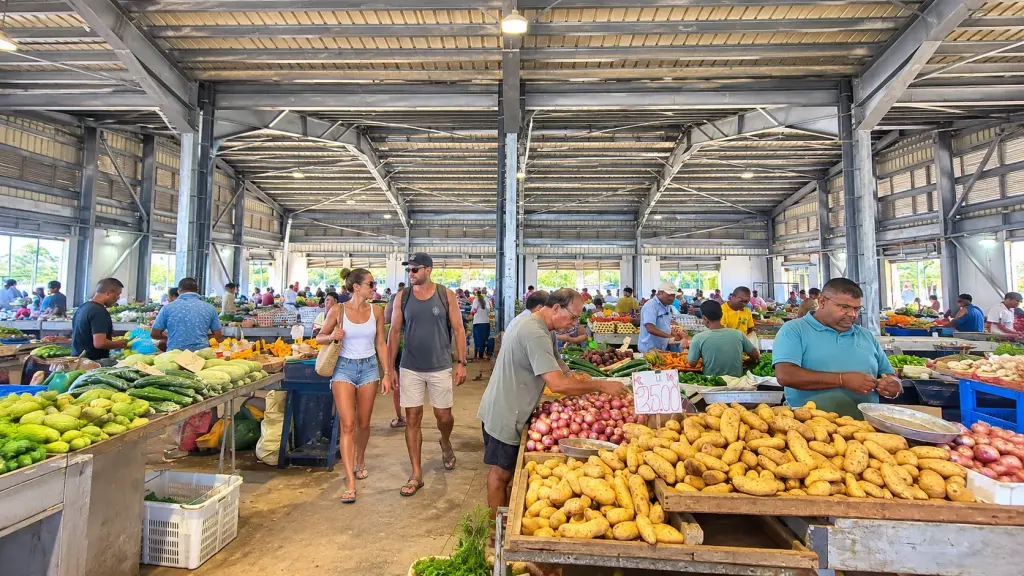
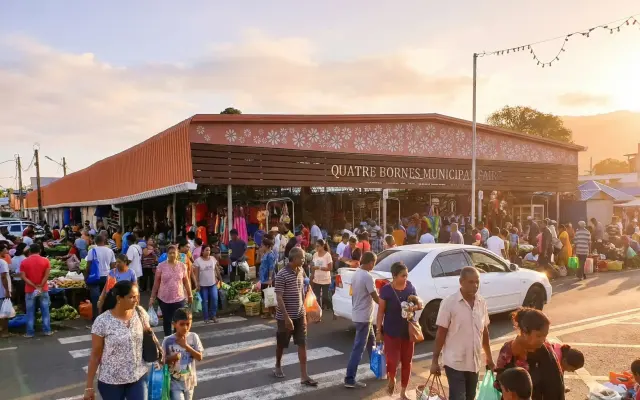
Goodlands is one of those places in northern Mauritius where shopping is still very much part of everyday village life. The streets are lined with clothing shops, small businesses and food outlets, while the local market brings together traders selling everything from fresh vegetables to fabrics, shoes and household goods.
Known locally as the Goodlands bazaar or la foire de Goodlands, the market is popular with residents from Goodlands and the surrounding villages. It is quite different from the souvenir-focused markets around tourist areas such as Grand Baie. Most people come here for their weekly shopping, a bargain on clothing or fresh ingredients for the kitchen.
The most important thing to know before visiting Goodlands Market is that the shopping experience changes depending on the day. Tuesdays and Fridays are traditionally associated with clothing and general merchandise, while Wednesdays and Saturdays are the main days for fruit and vegetables. The newer covered market and the established clothing-fair area are not necessarily the same place, so choosing the correct location matters too.
Here’s what you need to know about Goodlands Market in Mauritius, including market days, opening hours, what to buy, where to find it and how to plan your visit.
Goodlands Market Days and Opening Hours
If you’re planning a trip to Goodlands Market, choose your day based on what you want to buy. The clothing fair and fruit and vegetable market traditionally operate on different days, and the number and type of traders can vary considerably.
| Day | Main market activity |
|---|---|
| Monday | No main weekly fair; regular shops may be open |
| Tuesday | Clothing, textiles and general merchandise |
| Wednesday | Fresh fruit and vegetable market |
| Thursday | No main weekly fair; regular shops may be open |
| Friday | Clothing, textiles and general merchandise |
| Saturday | Fresh fruit and vegetable market |
| Sunday | No main weekly fair |
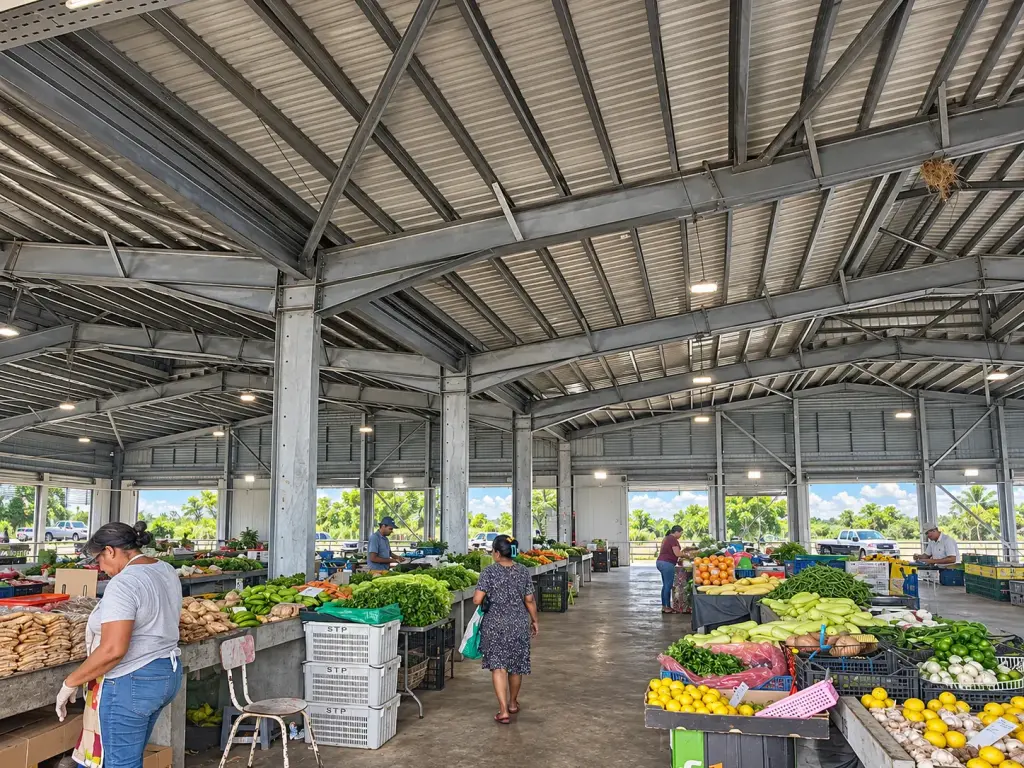
Best days for fresh produce: Wednesday and Saturday. The covered vegetable market usually operates from 5:00 AM to 4:00 PM on these days, although individual traders have their own schedules. For an ordinary shopping visit, arriving between 7:00 AM and 11:00 AM is a sensible choice. You’ll have time to browse while much of the morning trading is taking place.
Best days for clothing: Tuesday and Friday. These are the traditional days for browsing market stalls selling clothes, fabrics, shoes and everyday accessories. There isn’t one reliable opening time for every clothing trader, but going during the morning is generally more practical than arriving late in the afternoon.
There is one local detail worth knowing. Goodlands now has a newer covered market on Goodlands Bypass, but the relocation of clothing and general-merchandise traders has taken longer than expected. The newer market was developed to accommodate several types of traders, while the established clothing fair has historically operated around the older market area. If you’re looking specifically for the textile fair, check its current location before heading straight to the new vegetable-market building.
Public holidays, severe weather and changes to market arrangements can affect trading days and hours. If you’re visiting from another part of the island specifically for the fair, it’s worth checking locally before travelling.
What Can You Buy at Goodlands Market?
Goodlands is a practical shopping town, and that is reflected in what you’ll find at its market. There are fresh ingredients for everyday cooking, inexpensive clothing and plenty of shops around the main streets. It is a good place to browse if you prefer ordinary local shopping to a market designed mainly around tourist souvenirs.
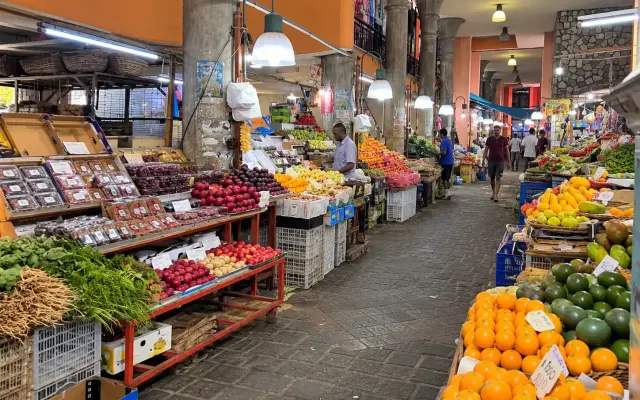
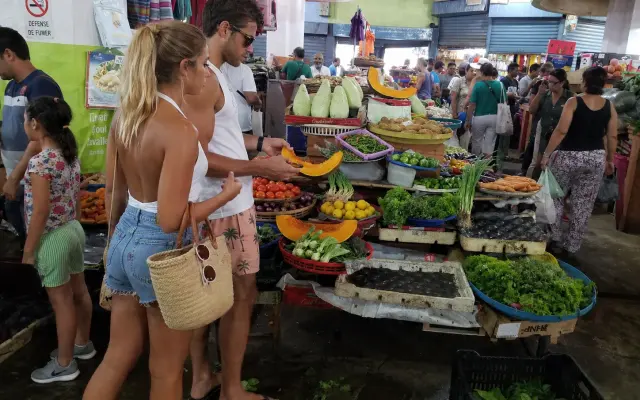
Fresh fruits and vegetables are the main attraction on Wednesdays and Saturdays. The covered market brings together traders selling familiar cooking ingredients such as tomatoes, potatoes, onions, carrots, chillies, garlic, ginger and leafy vegetables. Depending on the season and the stalls operating that day, you’ll also find local produce such as brèdes, chouchou, aubergines and different varieties of herbs.
The fruit selection changes through the year. Pineapples, bananas and papayas are commonly found in Mauritian markets, while mangoes and lychees become particularly interesting during the summer months when they are in season. If you’re staying in self-catering accommodation, the market is a useful place to pick up fresh ingredients rather than relying entirely on supermarkets.
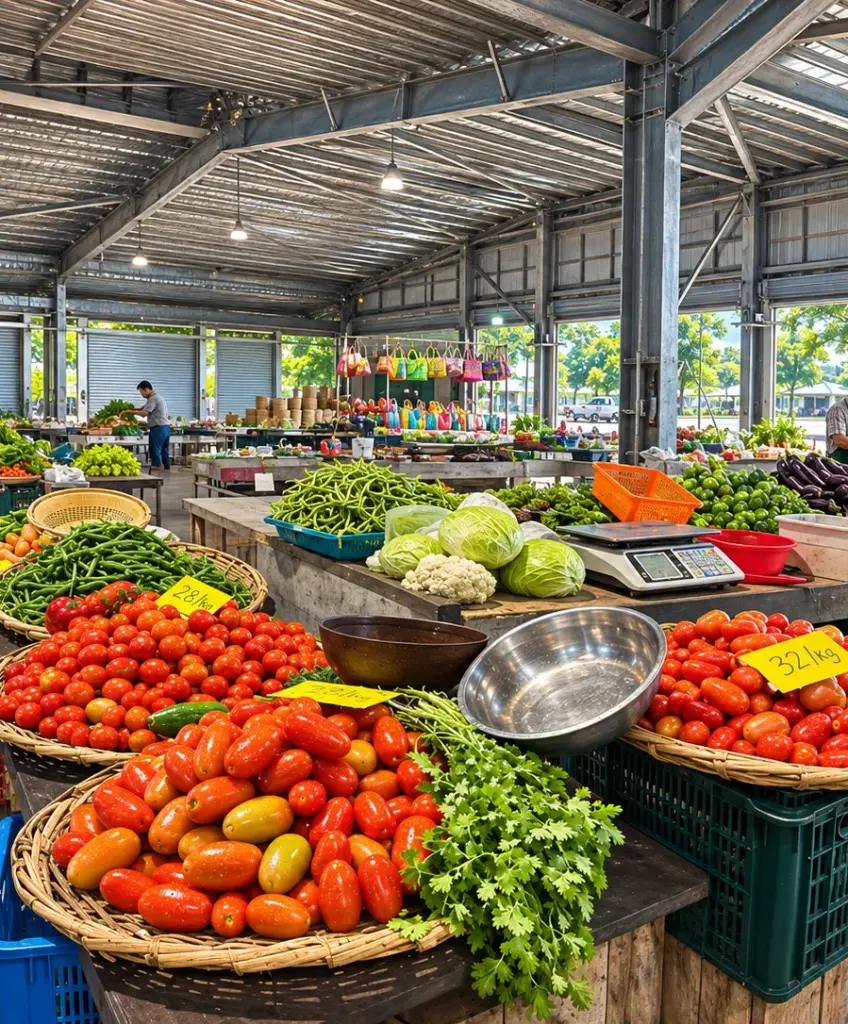
The newer Goodlands market complex also has sections intended for fish, meat, poultry, food traders and small businesses. The full selection depends on which stalls are operating, so the experience may be different from one visit to another.
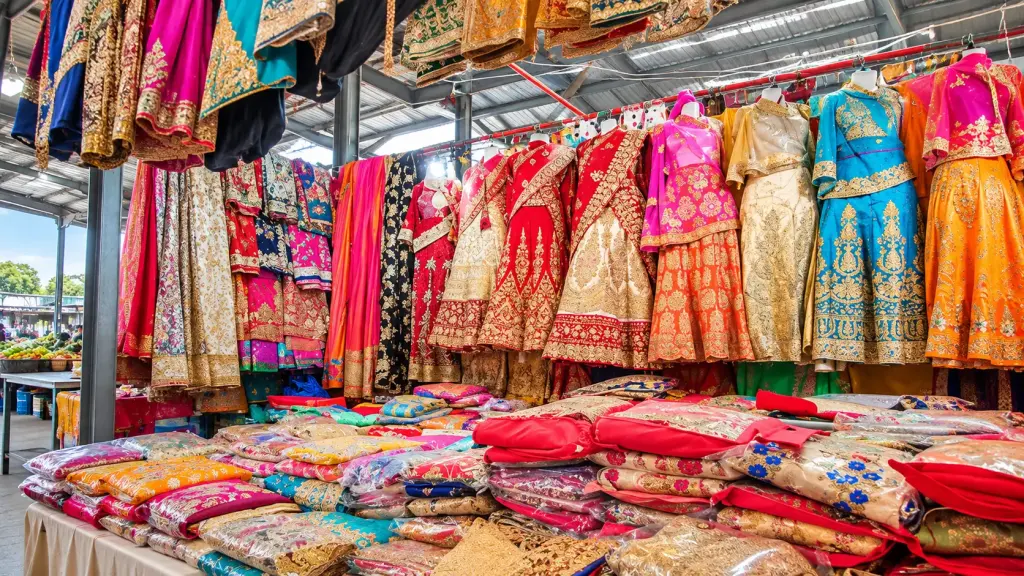
Clothing and textiles are the main reason to visit on Tuesdays and Fridays. Goodlands has a long-standing reputation for Indian clothing, everyday fashion, fabrics and accessories. Around the market and the surrounding shopping streets, you’ll find traders selling casual wear, children’s clothing, shoes, bags and other practical items. Some merchandise is imported, particularly from India and other Asian countries.
The town is also known for shops selling sarees, salwar kameez, dress materials and accessories for weddings and religious occasions. These permanent shops are not necessarily part of the weekly market, but they’re worth keeping in mind if you’re heading to Goodlands for clothing. You can browse the shops along Royal Road even when the main clothing fair is not operating.
Don’t expect every stall to sell handmade Mauritian products. A considerable amount of the clothing and general merchandise is imported, just as it is at many other local markets. If you’re buying something specifically because it’s described as locally made, ask the trader where it comes from.
Street Food and Snacks Around Goodlands Market
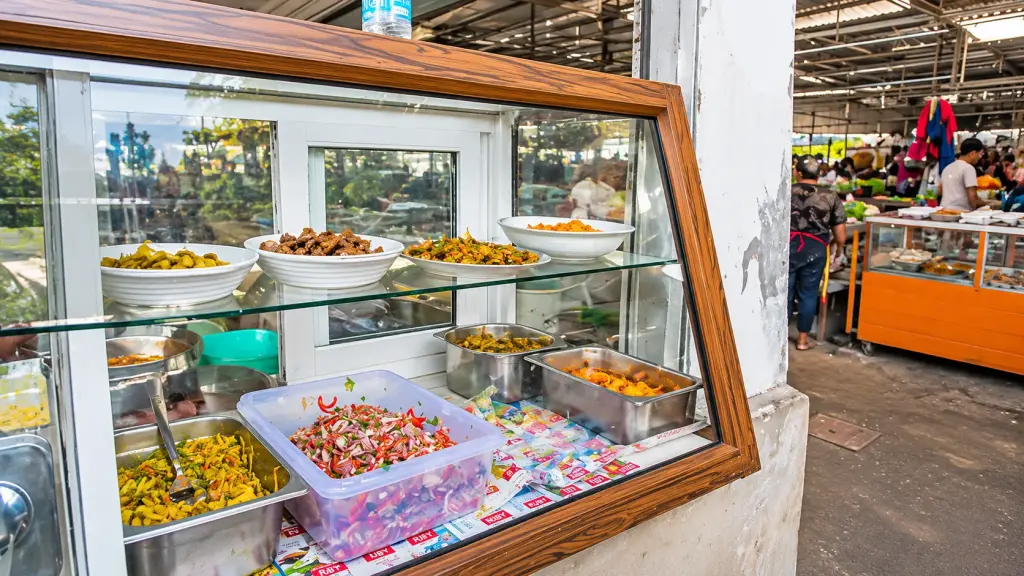
Shopping at a Mauritian market often involves stopping for something to eat. Goodlands has food stalls and small eateries around its commercial centre, with familiar snacks and quick meals available depending on the day and time.
Look out for dholl puri or roti served with curry, rougaille and pickles. These are convenient options if you’re visiting during the morning and want something filling without sitting down for a full restaurant meal. Gateaux piments, samosas and other fried snacks are also common around Mauritian markets, although the selection varies from one stall to another.
For something refreshing, you may find fresh fruit, juice or coconut water. On a hot summer morning, it’s worth carrying your own drinking water as well, particularly if you’re planning to spend time walking through both the market and the nearby shopping streets.
It’s better to choose food that’s freshly prepared and properly stored, especially in warm weather. If you have dietary restrictions, ask about the ingredients before ordering. Even familiar snacks can have different fillings and accompaniments depending on the vendor.
If you’re new to Mauritian street food, our guide to 10 must-try foods in Mauritius explains what to order, how the dishes are prepared and what makes them popular with locals.
Where Is Goodlands Market and How Do You Get There?
Goodlands is in the Rivière du Rempart district in northern Mauritius, inland from the coast and within easy reach of Grand Baie, Petit Raffray, Grand Gaube and the surrounding villages. It’s a busy commercial town, with shops and businesses spread along the main road rather than concentrated around a tourist promenade.
New Goodlands Vegetable Market: Goodlands Bypass Road, near the market and traffic-centre complex. In a navigation app, search for Goodlands New Vegetable Market or Bazar de Goodlands. This is the location to use when heading to the main Wednesday or Saturday produce market.
Clothing fair: Goodlands’ traditional clothing-market activity has been associated with the older fair and shopping areas in town. Because of changes surrounding the new market, confirm the current location of the Tuesday or Friday traders before setting off. Asking for la foire de vêtements à Goodlands can help distinguish it from the vegetable bazaar.
By car: If you’re staying in Grand Baie or elsewhere in the north, Goodlands is straightforward to reach by road. Use the market’s specific map location rather than navigating only to the town centre. The newer market and traffic-centre development includes designated parking facilities, although spaces can become busy on market mornings.
By bus: Goodlands is an important bus connection point for surrounding northern villages. Bus services connect the town with Port Louis and destinations including Grand Baie, Grand Gaube and Rivière du Rempart, with routes and frequencies varying by destination. The newer traffic centre serves the market area, making public transport a practical option for people who do not need to carry several heavy shopping bags.
If you’re travelling from Port Louis, check the Goodlands-bound buses departing from the relevant transport centre. If you’re coming from Grand Baie or another northern village, ask for the service to Goodlands and confirm where to get off for the market. Our Mauritius transport guide
If you are renting a car, our driving in Mauritius guide covers local road rules and practical tips. Roads through Goodlands can be busy, particularly around the commercial areas, so allow some time for traffic and parking rather than planning an immediate departure after shopping.
Prices, Bargaining and Practical Shopping Tips
Goodlands Market is generally a place for everyday shopping rather than expensive tourist purchases, but that doesn’t mean everything is automatically cheaper than a supermarket or clothing shop. Prices depend on the product, its quality, the season and the individual trader. The best approach is to look around before deciding what to buy.
For fruits and vegetables, pay attention to how prices are displayed. Some items may be sold by the kilogram, while others are priced per bunch, piece or small quantity. Ask if you’re unsure, particularly when buying leafy vegetables, herbs or seasonal fruit. Fresh produce prices can change quickly during periods of heavy rain, poor harvests or high demand, so it would be misleading to suggest a fixed price list for the market.
On clothing days, it’s reasonable to compare similar items at several stalls. Some traders may be open to a little negotiation, especially for multiple purchases, while others work with fixed prices. Keep it friendly and don’t assume that bargaining is appropriate for every purchase. Checking stitching, fabric quality, sizing and zips before paying is usually more useful than negotiating over a small difference in price.
A few practical things can make a visit easier:
- Bring Mauritian rupees in cash. Small notes and change are useful for food stalls and smaller purchases. Don’t assume every trader accepts cards.
- Carry a reusable shopping bag. It makes it easier to carry fruit, vegetables or clothing without relying on extra packaging.
- Go in the morning. You’ll have a better chance of finding the stalls you’re interested in before traders begin packing up.
- Wear comfortable shoes. You may spend time walking around the market and through the surrounding streets.
- Keep an eye on your belongings. The same sensible precautions apply here as at any busy market.
- Ask before photographing traders. Most people won’t mind you photographing the produce or market surroundings, but it’s polite to ask before taking a close-up of someone at work.
- Allow about one to two hours. That’s a comfortable amount of time for browsing, picking up a few things and stopping for a snack. Serious shoppers may want longer.
The newer covered market is more sheltered than an entirely open-air fair, but Mauritius can still be hot and humid, especially between November and April. A morning visit is generally more comfortable than walking through the shopping streets in the middle of the afternoon. The market complex also has parking and sanitary facilities, although their availability and condition may vary.
Is Goodlands Market Worth Visiting?
Goodlands Market is worth considering if you’re staying in northern Mauritius and want to see how people shop outside the main tourist areas. It has more of an everyday commercial character than a souvenir bazaar, and that is part of its appeal. People come here to buy ingredients for home cooking, look for clothes or pick up practical items rather than spend an afternoon browsing expensive gifts.
For a first visit, Wednesday or Saturday would be my choice if you’re interested in food, local ingredients and photography. The vegetable market is especially relevant for visitors who enjoy seeing seasonal produce and the ordinary routines of Mauritian shopping. If fabrics, Indian outfits or inexpensive clothing are more interesting to you, aim for Tuesday or Friday and check where the clothing traders are operating.
I wouldn’t travel across the entire island solely to spend an hour at Goodlands Market, especially if you’re already close to another good local market. But if you’re staying in Grand Baie, Grand Gaube, Pereybere or nearby, it can be an enjoyable and practical addition to a morning out. You don’t need a ticket to visit the market, and there’s no obligation to buy anything.
Goodlands also offers an alternative to the busier tourist shopping areas. If you’re choosing between different markets around the island, our guide to the best local markets in Mauritius compares their main shopping days and specialities. For a different kind of market experience, you can also read about Port Louis Central Market, where fresh produce, food counters and tourist souvenir stalls are concentrated in the capital.
If you remember just one thing before visiting Goodlands, make it the market days: Tuesday and Friday for clothing, Wednesday and Saturday for fruit and vegetables. Arrive in the morning, bring some cash and check the exact section you’re heading to. Those few details will make the visit much easier to plan.
Was this guide useful?
Tours and activities in the north
Hand-picked from GetYourGuide. Free cancellation on most bookings.
Some links on this page are affiliate links. If you book through them we may earn a small commission, at no extra cost to you. It helps keep Creole Mauritius free.
Questions and tips