
Buying and Registering a Car in Mauritius

Buying a car in Mauritius involves more paperwork than simply paying the seller and collecting the keys. If you’re buying a used car privately, you’ll need to check the vehicle’s registration documents, sign a deed of sale, register that deed with the Registrar-General’s Department and arrange the transfer of ownership through the National Land Transport Authority (NLTA).
For first-time buyers, the confusing part is often knowing which office handles what. The Registrar-General registers the sale document, while the NLTA maintains the vehicle’s registration records. You also need insurance in your own name, and depending on the age of the car, a valid fitness certificate and motor vehicle licence, commonly called the déclaration or road tax.
This guide explains how to buy and register a car in Mauritius, from checking the vehicle before payment to completing the ownership transfer. It focuses mainly on buying a second-hand car from another individual, but also explains the differences when purchasing from a dealership or registering an imported vehicle.
Buying a Car in Mauritius: Quick Overview
If you’re buying a second-hand car that is already registered in Mauritius, the process generally involves two government departments. First, you register the deed of sale with the Registrar-General’s Department. Then you arrange for the vehicle to be transferred into your name at the NLTA.
The deed of sale must be registered within 15 days of the date written on the deed. Missing this deadline can result in a penalty. You should also make sure that the car is properly insured and licensed before driving it.
| What you need to do | Where or how |
|---|---|
| Inspect the car and check ownership | With the seller, ideally with an independent mechanic |
| Sign the deed of sale | Buyer and seller, using the official vehicle sale form |
| Register the deed within 15 days | Registrar-General’s Department, Port Louis, or Mauritius eRegistry (MeRS) |
| Arrange insurance in your name | Insurance company or authorised agent |
| Transfer the registration | NLTA, following the applicable ownership-transfer procedure |
| Check fitness and road tax | NLTA, approved vehicle examination centres or eligible online services |
For an ordinary private sale of a locally registered second-hand car, the Registrar-General currently lists an administrative fee of Rs 400, and the NLTA lists a separate transfer-of-ownership fee of Rs 300 for cars. That makes Rs 700 in these two government charges, excluding insurance, road tax, any fitness examination and other costs that may apply.
If you’re deciding whether to own a car at all, our Mauritius transport guide compares driving with buses, the Metro Express and other options. A car can be particularly useful for daily travel outside the main public-transport corridors, but insurance, fuel, maintenance and depreciation should all be considered in your budget.
What to Check Before Buying a Used Car
Before discussing payment, check that the vehicle is in good condition and that the person selling it has the right to do so. A car that looks clean and drives well during a short visit can still have expensive mechanical problems or an outstanding financial obligation attached to it.
Start with the registration book, commonly called the horsepower in Mauritius. Compare the owner’s name, registration number, chassis number and other vehicle details with the actual car. If the seller’s name does not match the registered owner, ask for an explanation and the relevant authorisation before proceeding. Do not assume that someone can legally transfer a vehicle simply because they have the keys.
It’s worth asking for service records, recent repair invoices and any available accident history. A vehicle that has regularly been maintained may be a better purchase than a cheaper one with no supporting records. Pay attention to the condition of the tyres, brakes, suspension and air-conditioning system. These are particularly important in Mauritius, where daily driving can involve heavy traffic, uneven roads and warm, humid weather.
- Engine and gearbox: Check for unusual noises, oil leaks, overheating, delayed gear changes or warning lights.
- Bodywork: Look for uneven paintwork, panel gaps, rust, signs of major repairs or evidence of flood damage.
- Tyres and brakes: Check wear, age, braking performance and whether the car pulls to one side.
- Air conditioning: Make sure it cools properly, particularly when the vehicle is stationary.
- Mileage and maintenance: Compare the odometer reading with service records and the general condition of the vehicle.
- Fitness and road tax: Check the relevant expiry dates and whether any examination or renewal is approaching.
- Finance or other restrictions: Check whether the vehicle is subject to a lien, lease, objection or another restriction that could prevent the sale.
Try to inspect the car during daylight and take it for a proper test drive, with the seller’s permission and appropriate insurance arrangements. A short drive around the block is not enough to assess the gearbox, steering and suspension. If you’re spending a significant amount, paying an independent mechanic to examine the car before purchase is a sensible precaution.
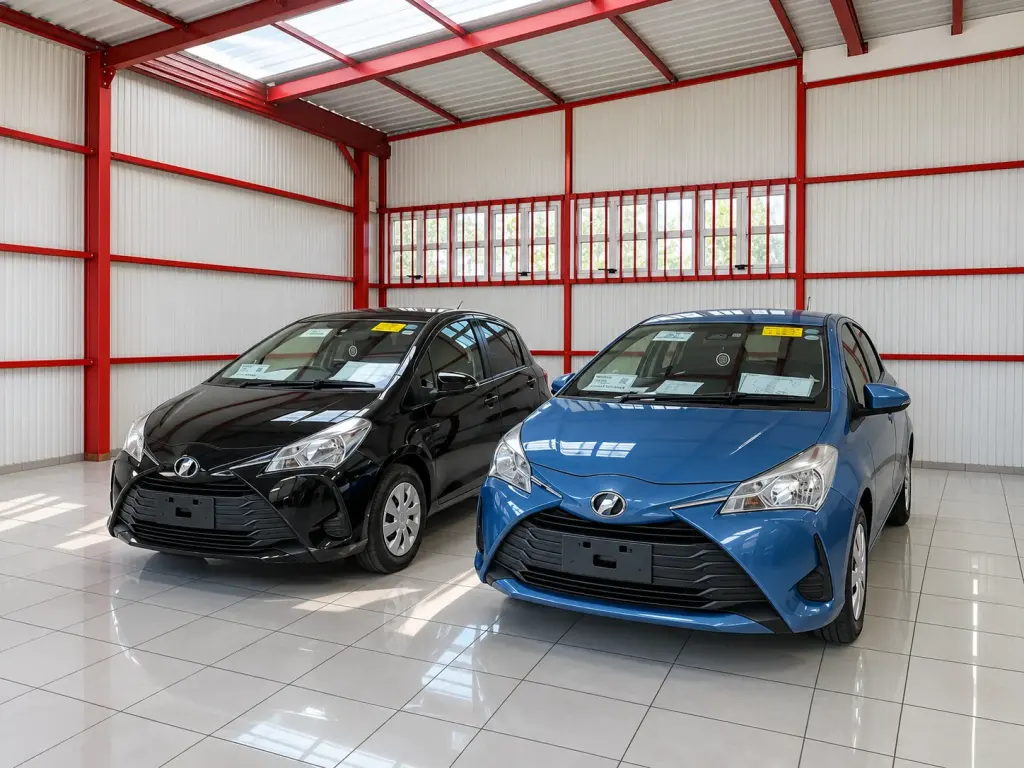
If you’re buying a hybrid or electric car, ask about the battery condition, charging equipment and warranty coverage. Replacement batteries and certain electronic components can be expensive, and not every garage in Mauritius will be equipped to diagnose them.
Once you’re satisfied with the condition, agree on the price, payment method, date of handover and responsibility for the transfer paperwork. Bank transfer can provide a useful record of payment. Keep a written acknowledgement of the amount paid, especially if you are paying a deposit before the final sale.
Be particularly careful if a car is still under a lease agreement. The NLTA states that the lease must be cleared before the vehicle can be sold through the normal process. If a seller tells you that outstanding finance can be settled later, confirm the arrangements with the leasing company and the relevant authority before handing over the full purchase price.
Documents Required to Buy and Register a Used Car
For a straightforward sale between two individuals, most of the documents come from the existing owner. The Registrar-General and NLTA have separate requirements, so it helps to collect everything before the deed is registered.
| Document | Who provides it | Purpose |
|---|---|---|
| Original vehicle registration book (horsepower) | Seller | Confirms the vehicle’s registered details and is needed for transfer |
| Two original deeds of sale | Buyer and seller sign | Documents the sale and is registered with the Registrar-General |
| Original identification documents | Buyer and seller | Identity verification during deed registration |
| Authorisation letter, where applicable | Seller or both parties | Allows an authorised person to handle registration formalities |
| Registered deed of sale and receipt | Registrar-General’s Department | Evidence required for the NLTA transfer |
| Insurance certificate in the buyer’s name | Buyer / insurer | Required for the NLTA transfer and lawful road use |
| Proof of address | Buyer | Required by the NLTA for ownership transfer |
| Additional clearance or supporting records, if applicable | Seller / relevant institution | For leased vehicles, liens, companies or other special cases |
You can download the official Sale of Vehicle form (PDF) from the Registrar-General’s Department. It asks for details including the buyer’s and seller’s identities, sale price, registration mark, chassis number, engine details and date of sale. Both parties must sign the document, and the form includes a declaration confirming that the two originals are identical.
The Registrar-General also provides authorisation letters and other vehicle registration forms. Use the current official versions rather than copying an old form from a social media post or an unrelated website.
One point that often causes confusion is the Certificat de Gage. This is associated with checking whether a vehicle has an outstanding lien, objection or other burden. The Registrar-General’s newer FAQ says a separate certificate is not required for a standard sale between two individual owners because the electronic registration system carries out the check. However, certain transactions, such as transfers involving companies, multiple owners, an estate or an auction, still require additional documentation. Older NLTA guidance continues to mention the certificate, so check the latest procedure if your transaction is unusual.
How to Transfer Car Ownership in Mauritius: Step by Step
Once you’ve inspected the car and collected the documents, you can proceed with the sale. The following is the usual in-person route for a private transaction involving a car that is already registered in Mauritius.
- Complete and sign the deed of sale. Enter the agreed price, date, vehicle details and the full names and identification details of both parties. Prepare the two original copies required by the Registrar-General. Check the entries against the registration book before signing. Agree on a secure payment method and keep evidence of payment and handover.
- Register the deed of sale within 15 days. The deed must be registered with the Registrar-General’s Department. For an in-person transaction, take the signed deed, original registration book, the required original identity documents and an authorisation letter if the seller will not be handling the formalities personally. Any applicable lien or special-case documentation may also be required. Pay the registration charge and keep the registered deed and receipt.
- Arrange insurance in the new owner’s name. Contact an insurer with the car’s details and the purchase documents. The insurance certificate must show the buyer’s name consistently with the registered deed. Arrange cover before driving the car; do not assume that the previous owner’s policy automatically transfers with the vehicle.
- Complete the ownership transfer at the NLTA. Bring the original registration book, original insurance certificate in your name, registered deed of sale and a photocopy, Registrar-General’s payment receipt and proof of address. The published transfer fee for a car is Rs 300. Follow the NLTA’s instructions for updating the registration book to show the new owner.
- Check the vehicle licence and fitness status. Make sure the motor vehicle licence is valid and establish whether the car requires a current test or fitness certificate. If either has expired, deal with the renewal or examination before using the car on public roads.
- Keep copies of the completed paperwork. Save the registered deed, payment receipts, insurance certificate, updated registration details and fitness or licence records. It’s also worth recording the insurance and road-tax renewal dates.
Where to register the deed of sale:
Registrar-General’s Department
Emmanuel Anquetil Building, Sir Seewoosagur Ramgoolam Street, Port Louis
General enquiries: +230 201 1859 / 201 1860 / 201 1861
Website: Registrar-General’s Department
The office is on the sixth floor of the Emmanuel Anquetil Building, while for vehicle deed registration queue at the ground-floor service area. Public counters generally operate Monday to Friday, 8:45 AM to 3:30 PM, excluding public holidays.

Where to complete the NLTA ownership transfer:
National Land Transport Authority
M.S.I. Building, Les Cassis, Mauritius
Telephone: +230 202 2800
Website: NLTA registration and transfer requirements
Don’t leave the deed registration until the last day. The Registrar-General states that late registration can lead to a penalty calculated at 50% of the applicable tax or duty. If there is a problem with the paperwork, such as a name mismatch or an outstanding lien, sorting it out can take additional time.
Can You Register a Car Online in Mauritius?
Yes. The Mauritius eRegistry System (MeRS) offers an online process for registering the sale of a locally registered vehicle between two individuals. It uses the government’s MauPASS identity system and can save a trip to the Registrar-General’s counter. The seller must initiate the vehicle-checking stage, so it isn’t a process that the buyer can complete independently without the seller’s participation.
Official online vehicle registration service: Mauritius eRegistry (MeRS). The service is also linked from the NLTA Online Services page.
According to the Registrar-General’s published instructions, the process works as follows:
- The seller signs in through MauPASS. The seller accesses MeRS and begins the vehicle transaction, entering the registration mark, chassis number, deed date and buyer details.
- The system checks for liens and objections. MeRS communicates with NLTA records. If the vehicle has an outstanding lien, objection or other burden, the seller may be required to resolve the issue with the NLTA before continuing.
- The required documents are uploaded. The sale deed, registration book and identity documents are scanned and uploaded in the order specified by the system. The Registrar-General instructs applicants to use clear A4 portrait scans and include the relevant authorisation documents where required.
- The Registrar-General reviews the application. An officer assesses the documents and issues a payment notice. The published payment methods include debit or credit card and supported instant-payment options, with other arrangements available where necessary.
- The registered deed is made available electronically. Once registration is completed, the parties can retrieve the document through their MauPASS-linked account. Keep a copy of the registered document and proof of payment for the remaining ownership-transfer formalities.
The key distinction is that registering the deed of sale and confirming the vehicle’s ownership record are related but separate requirements. The Registrar-General’s current guidance still directs the buyer to arrange insurance and transfer the vehicle’s horsepower at the NLTA after deed registration. Follow the instructions generated for your transaction and confirm that the registration record has actually been updated before treating the process as complete.
For an online application involving a company, several registered owners, a deceased person’s estate or another special case, don’t assume that the simple individual-to-individual procedure applies. The Registrar-General has separate documentation rules for these transactions.
Registration Fees, Insurance, Road Tax and Fitness
The purchase price is only part of what you’ll spend when buying a used car in Mauritius. You’ll also need to allow for ownership-transfer charges, insurance and ongoing running costs. The amount can vary substantially depending on the car’s age, engine, fuel type and condition.
| Expense | Amount or requirement |
|---|---|
| Registrar-General’s fee for a locally registered second-hand car | Rs 400 |
| NLTA ownership-transfer fee for a car | Rs 300 |
| Standard fitness examination for a motor car, where required | Rs 600 |
| Motor vehicle licence (road tax) | Varies according to the vehicle and licence period |
| Car insurance | Varies by insurer, cover and vehicle |
| Mechanic’s pre-purchase inspection | Depends on the garage and inspection scope |
The published Rs 400 and Rs 300 charges apply to the ordinary registration and ownership-transfer stages of a locally registered private car. A vehicle being registered in Mauritius for the first time can attract different registration charges and duties. Additional fees may also apply to personalised registration marks, special transfers or other services.
Insurance: At a minimum, your car needs the insurance cover required by Mauritian law before you drive it. Third-party policies generally protect against specified liabilities to others, while comprehensive policies can provide wider protection for your own vehicle. Check the excess, theft cover, flood or cyclone exclusions and any restrictions relating to drivers. Our detailed guide to car insurance in Mauritius compares the main types of cover and explains what to look for before choosing an insurer.
Fitness: An important rule for used-car buyers is the age of the vehicle. Under the NLTA’s published examination requirements, private cars are generally exempt from periodic fitness examinations for the first seven years after their original registration, whether that first registration took place in Mauritius or abroad. Older private cars require the applicable examination and valid test certificate. The NLTA currently lists a standard motor-car examination fee of Rs 600. Appointments are handled through approved examination centres, including Autocheck at Plaine Lauzun, SGS at Forest Side and Eastern Vehicle Examination Services at Laventure. You can find the requirements and contact details on the official NLTA vehicle examination page.
Road tax: The motor vehicle licence, usually called the déclaration, must be kept valid. The NLTA allows payments for three months, six months or one year. Renewal is available through eligible online services and at specified government counters or participating post offices. You’ll generally need the registration book, valid insurance and, where applicable, the fitness certificate.
Check the road-tax expiry date before buying the car. The NLTA states that failure to renew within 15 days after expiry can lead to a penalty of 50% of the amount due. If the vehicle is unlicensed, you cannot simply drive it on public roads to a garage or examination centre. A removal permit may be required for a specific journey, along with appropriate insurance.
Buying a brand-new or imported car: The process differs from transferring an already registered vehicle. New and second-hand imported vehicles must undergo the required examination to obtain a Particulars of Motor Vehicle Form before first registration. Depending on the vehicle, documents can include the Bill of Entry, import permit, relevant import or sale declaration and customs records. If you’re purchasing from an established dealership, ask which registration and licensing formalities it will handle and whether its quoted price includes all applicable charges. The NLTA registration procedures explain the requirements for first registration and other types of transfer.
Transfers involving a leasing company, an auction, several registered owners or the estate of someone who has died also follow different rules. In those cases, obtain the specific document checklist before signing the deed or making payment. What works for an ordinary private sale may not be sufficient for a vehicle that still has a financial or legal restriction attached to it.
Before collecting your car, make sure you can account for the original registration book, signed and registered deed of sale, registration payment receipt, insurance in your name, the NLTA transfer and any applicable licence or fitness documents. Keeping scanned copies of these records makes future renewals, insurance claims and eventual resale considerably easier.
If you’re planning your broader household budget, our cost of living in Mauritius guide also looks at transport costs and how owning a car compares with relying on public transport. Once you’re on the road, the driving in Mauritius guide covers local road rules and practical driving advice.



Questions and tips