
Car Insurance in Mauritius: Third Party vs Comprehensive
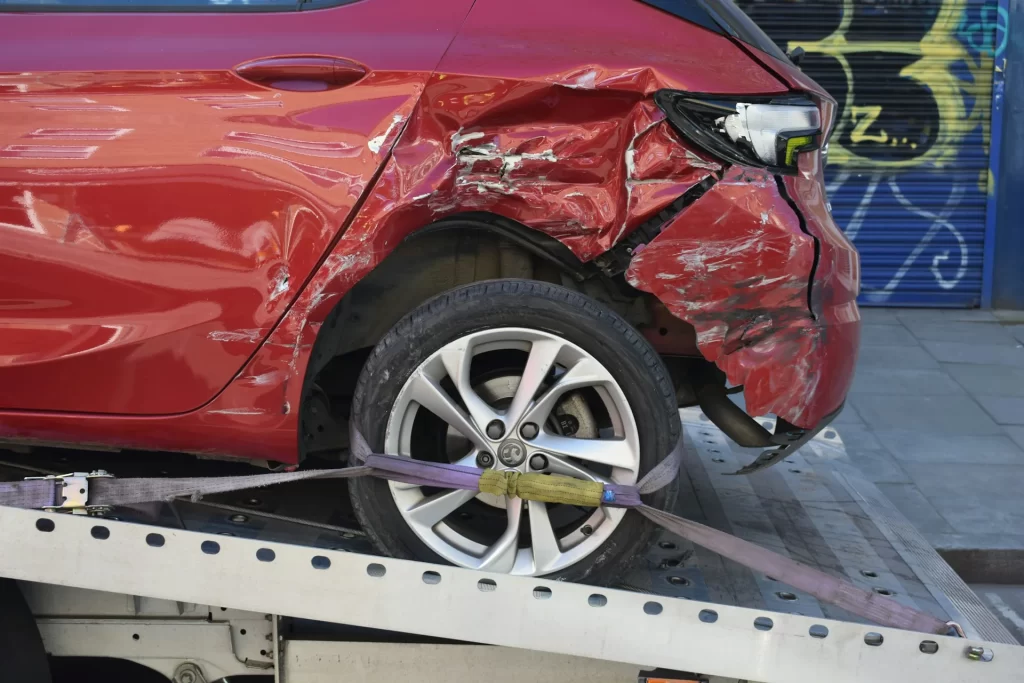
If you own a car in Mauritius, choosing the right insurance is one of the most important financial decisions that follows. Under the Mauritian Road Traffic Act, basic vehicle insurance is compulsory. But deciding how much protection you buy beyond that legal minimum is entirely up to you.
Local insurers offer everything from basic third-party plans to more comprehensive packages with benefits such as flood, cyclone, and loss-of-use cover. That is why reading the fine print matters before you choose a policy.
If you just look at the premium price and ignore the excess fees or natural-peril exclusions, you could face expensive surprises after a minor fender bender or a summer storm.
In this guide, we break down exactly how car insurance works in Mauritius, what is actually covered, and the hidden exclusions you need to watch out for.
Note: Coverage types, policy terms, and exclusions in this guide are indicative and based on recent official policy wordings from major Mauritian insurers (such as Swan, MUA, SICOM, Mauritius Union, and Quantum). Final terms, limits, and excesses vary by provider, driver profile, and specific policy endorsements.
Table of Contents
1. The Main Types of Car Insurance in Mauritius
Insurers in Mauritius generally structure their motor insurance into layered products. While marketing names vary between companies, the coverage almost always falls into one of these three main categories:
Third Party vs Comprehensive Car Insurance in Mauritius
| Feature | Third Party Only | Third Party Fire & Theft | Comprehensive Cover |
|---|---|---|---|
| Legal liability (Injury/Death to others) | Yes – Compulsory by law. | Yes. | Yes – Often with very high limits. |
| Damage to other people’s property | Yes – Up to policy limits. | Yes. | Yes – Up to policy limits. |
| Damage to your own car in a collision | No. | No (except fire/theft). | Yes – Covers accidental collisions. |
| Fire and Theft | No. | Yes. | Yes – Standard inclusion. |
| Cyclone, Storm & Flood Damage | No. | Usually no. | Varies – Included in many, but optional in others. |
| Loss of Use (Courtesy Car) | No. | Sometimes optional. | Often available as standard or optional add-on. |
Third Party Only is the legal minimum. It primarily protects other road users and their property, not your own vehicle. Comprehensive bundles that third-party protection with first-party cover for your own car, plus a menu of potential add-ons like roadside assistance, personal accident cover, and windscreen protection.
For more insights on navigating local roads safely once you are insured, read our complete guide to driving in Mauritius.
2. Understanding “Excess” in Mauritian Policies
In Mauritian motor policies, the excess (or deductible) is the first part of a covered claim that you must pay out of your own pocket. The insurer covers the balance above that amount.
In practice, the cheapest premium is not always the cheapest policy once excesses are taken into account.
It is crucial to understand that excesses can stack up. Depending on your policy (such as those from SICOM or Quantum), you might face multiple excesses on a single claim:
- Standard Excess: The basic deductible applied to an own-damage claim.
- Young/Inexperienced Driver Excess: An additional penalty (often around MUR 5,000) applied if the driver is under 25, holds a provisional license, or has held a permanent license for less than two years.
- Dealership Excess: If you insist on repairing a vehicle older than five years or a reconditioned import at the official main dealership, the insurer may double your standard excess.
Excess Waivers
To win your business, several Mauritian insurers offer attractive excess waivers. For example, Swan, MUA, and SICOM have specific plans that waive the excess for your first claim within a certain timeframe, provided your vehicle is relatively new. Some also waive the excess entirely if you are unequivocally not at fault and the third party admits liability. Always clarify exactly when an excess waiver applies to your specific policy.
3. Flood, Cyclone and Storm Cover in Mauritius
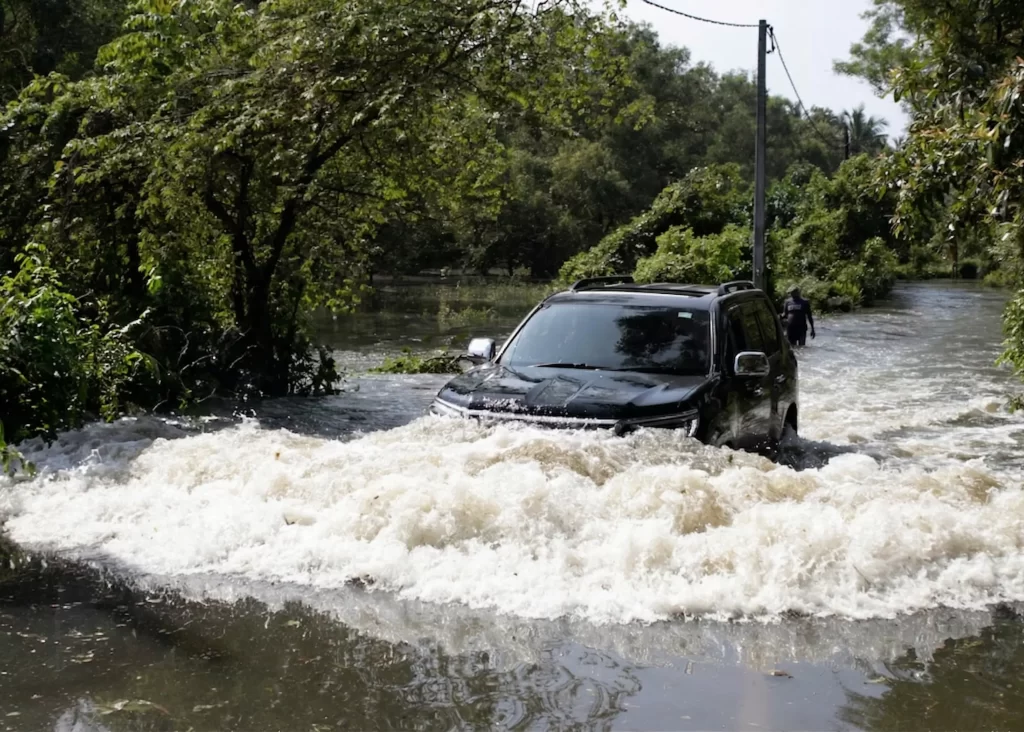
Mauritius is highly exposed to heavy summer rains and tropical cyclones. Consequently, the treatment of cyclone and flood damage is one of the biggest areas where policy wordings differ.
Do not assume that “Comprehensive” automatically means “Everything.”
- When it is included: Insurers like Swan, MUA (on higher-tier plans), Mauritius Union, and Quantum generally list cyclones, tempests, floods, and sometimes even earthquakes or tsunamis as standard insured events under their comprehensive own-damage sections.
- When it is restricted: Some policies, including specific products from SICOM, place perils of nature under a “General Exception.” In these cases, cyclone and flood coverage is treated as an optional benefit that must be explicitly added and paid for.
A Common Question: What Happens During a Class 3 Cyclone Warning?
There is a common discussion on local social media that car insurance becomes invalid the moment a Class 3 cyclone warning is issued. While mainstream policy wordings do not generally state this explicitly, they do state that cover is void if you are breaking the law or using the car outside permitted conditions. If authorities issue a legal driving ban during severe weather and you ignore it, your insurer has strong grounds to reject a claim.
4. Common Exclusions You Need to Know
Most Mauritian motor policies share several important exclusions. If one of these applies, your claim may be rejected:
- Drunk or Drugged Driving: If you are over the legal alcohol limit defined in the Road Traffic Act, or if you refuse a police breathalyzer test, your cover is entirely null and void.
- Unlicensed or Unauthorized Drivers: If you let a friend drive your car and they are not authorized on your insurance certificate, or they do not hold a valid license, you are not covered.
- Wear and Tear: Mechanical, electrical, or software breakdowns are not covered.
- Potholes and Poor Maintenance: Some Mauritian insurers explicitly exclude damage caused by poor maintenance, potholes, or road unevenness, so it is worth checking this point in the policy wording.
- Cosmetic Tire Damage: Damage solely to your tires or alloy wheels is generally excluded unless the car’s body is damaged in the exact same incident.
- Leaving Keys in the Car: If your car is stolen because you left it unlocked or left the keys in the ignition, insurers treat this as a breach of reasonable care and will reject the theft claim.
5. How the Claims Process Actually Works
If you get into an accident in Mauritius, the process is quite structured.
What to Do Immediately After an Accident
- Secure the Scene: Stop the vehicle, switch on your hazard lights, and place your reflective triangles at a safe distance.
- Mark the Wheels: If there are no injuries, use yellow indelible chalk (keep a piece in your glovebox!) to mark the position of the wheels and your license plate on the road.
- Move the Car: Once marked, move the vehicles off the road so you do not obstruct traffic.
- Constat à l’Amiable (Agreed Statement of Facts): For minor accidents where both parties agree on what happened, you fill out and sign the yellow ASF form together. You do not need the police for this.
When Do You Need the Police?
You must call the police immediately if there are bodily injuries, if someone is suspected of drunk driving, or if you cannot agree on the facts. The police will issue a Notice of Intended Prosecution (NIP) and an Occurrence Book (OB) number.
Reporting Deadlines: Accidents involving casualties or disagreements must generally be reported to a police station within one hour. You must then notify your insurer and submit your paperwork (the ASF, your driver’s license, insurance certificate, and horsepower certificate) typically within 5 days (or 24 hours in the case of theft). Late notification is a common reason for claim delays or rejections.
6. What to Compare Before You Buy
Before you commit to a policy, compare these 6 things:
- Standard excess: How much comes out of your pocket first?
- Young driver excess: Are there hidden penalties for newer drivers?
- Flood/cyclone cover: Is this included automatically or requires an add-on?
- Loss of use: Will the insurer provide a replacement car or transport allowance?
- Windscreen cover: Can you replace a chipped screen without paying an excess?
- Driver restrictions: Is the policy restricted to named drivers or open to anyone with a valid license?
7. Choosing the Right Cover for You
Before choosing a policy, look beyond the annual premium. If you are still in the process of acquiring a vehicle, be sure to read our guide on buying and registering a car in Mauritius. If you are budgeting for a vehicle alongside your other island expenses, you can also use our Mauritius living cost calculator 2025 to plan effectively.
Here is how to match the cover to your profile:
- First-Time Buyers and Financed Cars: If you have a car loan, the bank will usually mandate comprehensive cover assigned in their favor. It is also highly recommended for first-time buyers who cannot afford the sudden financial shock of replacing a total loss.
- Owners of Newer or High-Value Cars: Comprehensive cover that offers new-car replacement or agreed-value benefits during the first few years makes a lot of financial sense for protecting depreciation.
- Owners of Older Cars: If your car has a very low market value, a basic Third Party or Third Party Fire & Theft policy is often the most economical choice. Paying high comprehensive premiums on a low-value car rarely makes mathematical sense.
- Expats and Coastal Residents: If you are an expat unfamiliar with local narrow roads, or if you live near the coast or in low-lying areas, comprehensive cover with clear cyclone and flood protection is usually the safer choice.
- Street Parking: Drivers who regularly park on the street may also want stronger theft, vandalism, and weather-related protection.
Conclusion
Car insurance in Mauritius can look straightforward at first, but the real differences often appear in the excess, exclusions, and natural-peril cover.
The cheapest quote is rarely the best deal if it carries a high excess or excludes flood damage. The safest approach is to ask precise questions at the quotation stage: ask about the standard excess, verify in writing that cyclone and flood cover is included, and clarify the rules regarding courtesy cars. By reading the fine print before an accident happens, you can avoid expensive surprises later and navigate Mauritian roads with peace of mind.
Useful References:


Questions and tips