
Labour Day in Mauritius: History and Modern Traditions
Labour Day in Mauritius is a public holiday on 1 May that commemorates the island’s labour movement, especially the 1938 Champ de Mars rally and later worker reforms. It honors the social, economic, and political achievements of the local working class.
While it shares roots with the international May Day movement, the holiday in Mauritius is deeply tied to the island’s own history of sugar plantations and the rise of local trade unions. Here is a look at how Labour Day started, the key figures who fought for it, and what the holiday looks like today.
Table of Contents
Why Is Labour Day Important in Mauritius?
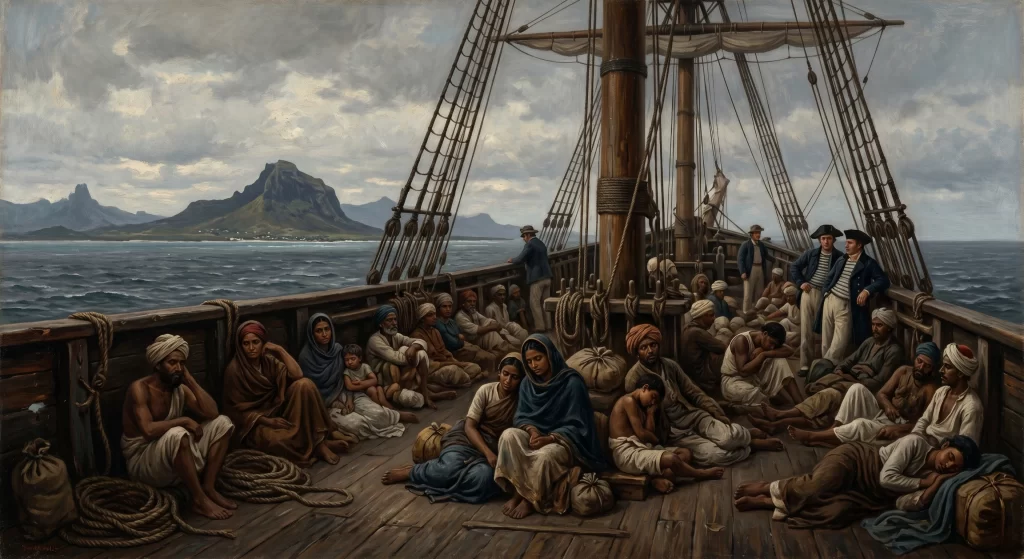
Internationally, Labour Day traces back to the 1886 strikes in the United States for an eight-hour workday. In Mauritius, the movement grew out of the 1930s. At the time, the island was under British colonial rule, and the economy relied heavily on the sugar plantation industry.
Laborers faced harsh conditions and low pay. This environment sparked strikes and the formation of the island’s first trade unions. Creole workers and political activists joined forces to demand basic rights, better wages, and political representation, shaping the modern social landscape of the island.
When Did Labour Day Start in Mauritius?
Labour Day was celebrated here for the first time on 1 May 1938. The newly formed Mauritius Labour Party, led by Dr. Maurice Curé alongside Emmanuel Anquetil and Pandit Sahadeo, organized a massive rally at the Champ de Mars racecourse in Port Louis.
Around 35,000 workers traveled from across the island to attend. This gathering proved that Mauritian workers had organized into a cohesive force ready to demand their rights.
Quick Timeline of Labour Day in Mauritius
- 1938: First major Labour Day rally held at Champ de Mars.
- 1939: Dr. Maurice Curé publicly demands 1 May be recognized as a public holiday.
- 1949: Guy Rozemont introduces a formal motion in the Legislative Assembly.
- 1950: 1 May is celebrated as an official public holiday for the first time.
The 1938 rally was a turning point, but 1 May was not yet legally recognized. During a follow-up rally on 1 May 1939, Dr. Maurice Curé publicly demanded that the colonial government declare the date a public holiday. Notably, he made this demand in Creole, reinforcing the working-class identity of the movement (a pivotal era in the history of Mauritian Creole).
The campaign was interrupted by the Second World War but was aggressively resumed afterward by Guy Rozemont, who succeeded Curé. In 1949, Rozemont introduced a formal motion in the Legislative Assembly. The motion passed with the consent of Governor Sir Hilary Blood, and 1 May 1950 marked the first official Labour Day holiday.
Landmark Reforms for Mauritian Workers
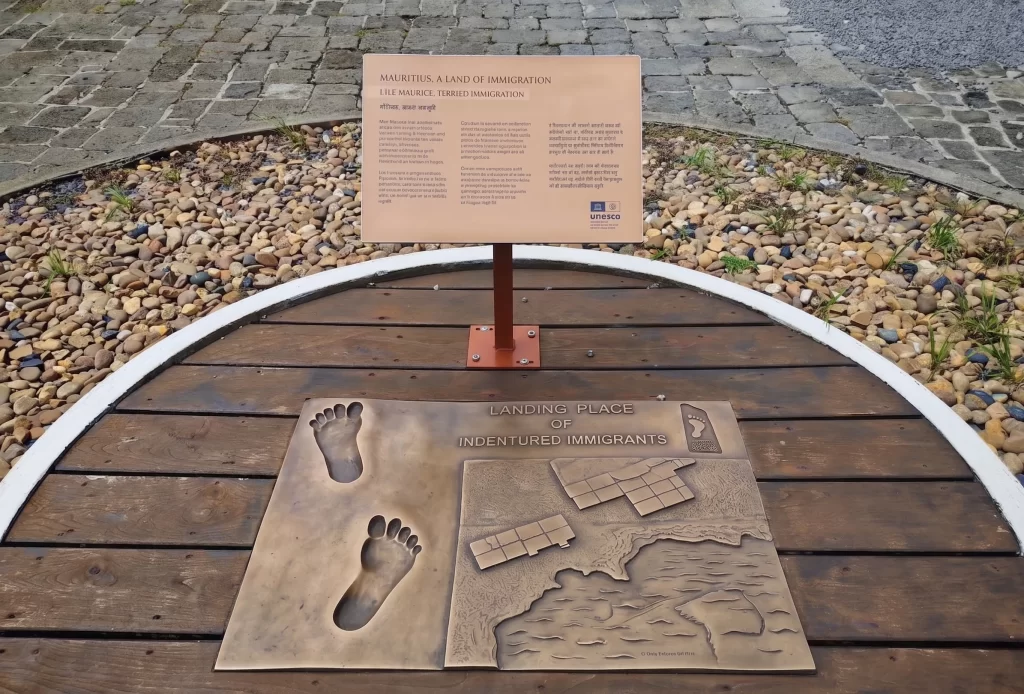
The activism surrounding these early gatherings led to real changes. The Labour Ordinance of 1938 replaced outdated laws from the indentured servitude era. It established an eight-hour workday, regulated overtime, and stopped arbitrary wage deductions. It also laid the groundwork for discussions on future protections like maternity allowances and estate crèches.
Further reforms came after a 1941 visit by Major Granville Orde Browne, a British Colonial Office advisor. His resulting report bluntly described Mauritian sugar estate laborers as a “poorly paid, undernourished and sickly population.” This forced the colonial government to establish a Labour Advisory Board and improve how worker disputes were handled.
Labour Day, Identity, and National Memory
Labour Day sits alongside other major dates, like Independence Day and the Abolition of Slavery, in the national commemorative calendar. Much like the monuments at Le Morne Brabant, which honor the resistance of enslaved people, Labour Day keeps the memory of the working-class struggle alive.
The rights secured by mid-century unionists eventually paved the way for universal suffrage and the building of the modern Mauritian nation.
How Is Labour Day Celebrated in Mauritius Today?
Historically, 1 May was a day of intense protest and union organization. Today, the mood is different, it is a massive, island-wide blend of political tradition and relaxed family leisure. While political rallies remain a fixture, for many families the day is now experienced more as a public-holiday outing than as a day of protest.
Political Rallies and Speeches
Trade unions and major political parties still hold large public meetings on 1 May. Leaders take the stage to outline policy demands, discuss workers’ rights, and energize their supporters. In recent years, these gatherings have evolved into major political events where rival parties try to draw the biggest crowds to show their strength, especially in election years.
Family Beach Outings and Picnics
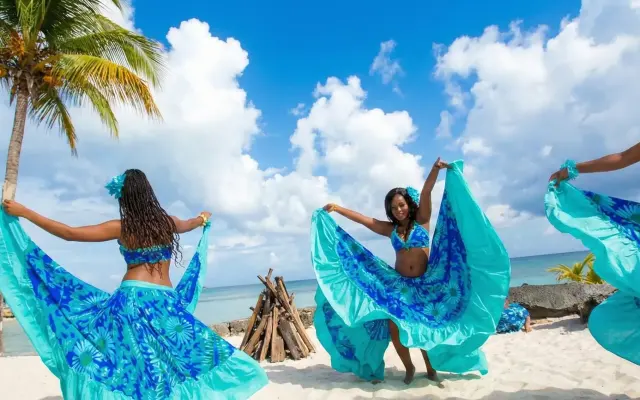
For most Mauritians, Labour Day is a welcome break from work and a time to gather with family. Since it is a public holiday, thousands of people head to the public beaches early in the morning to secure the best spots under the filao trees.
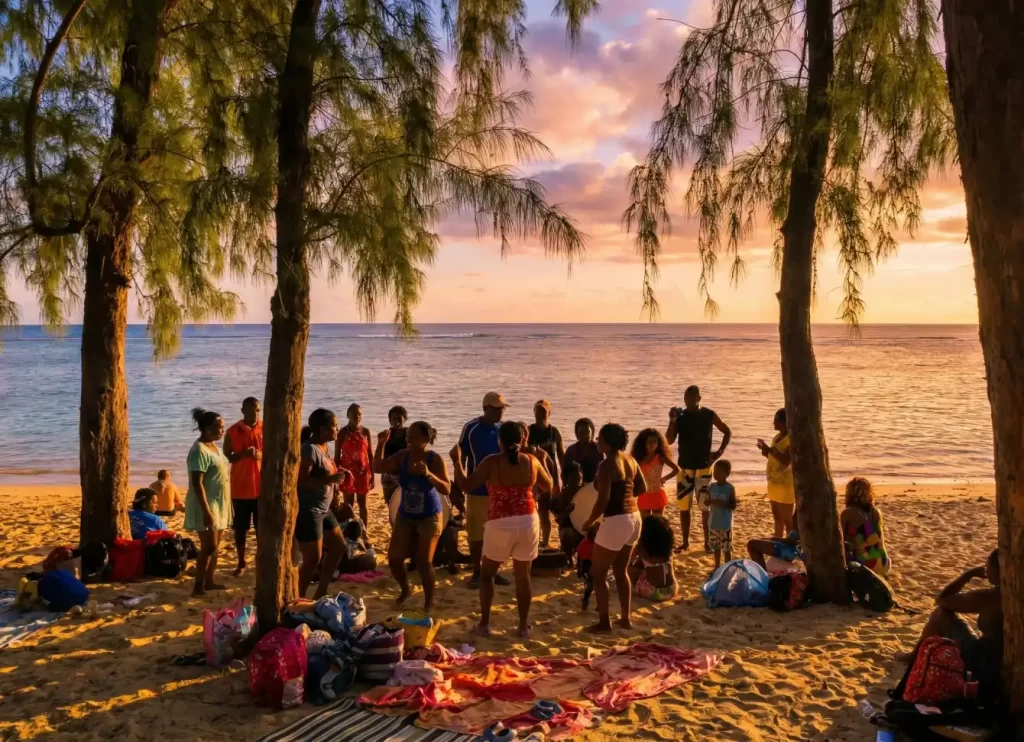
The beaches fill up with large family picnics, barbecues, and music. Whether they are swimming at Flic en Flac or exploring hidden gems around the island, the day feels highly social and festive, celebrating the island’s community spirit just as much as its political history.
Contemporary Challenges
Despite the beach picnics, Labour Day remains a time to look at the realities of the Mauritian workforce. Today’s challenges look different than they did in 1938. With the economy shifting toward service industries, traditional trade unions have less influence.
Current debates focus on job security, the rise of short-term contract work, and the cost of living. Some union leaders also point out that the massive, well-funded political rallies often overshadow the grassroots labor issues the holiday was originally meant to highlight.
Frequently Asked Questions
Is Labour Day a public holiday in Mauritius?
Yes, Labour Day is a public holiday in Mauritius, celebrated every year on 1 May.
Is Labour Day the same as May Day in Mauritius?
Yes, Labour Day in Mauritius is commonly referred to as May Day, as it falls on 1 May and shares its origins with the international May Day workers’ movement.
Why is 1 May important in Mauritius?
It commemorates the struggles and achievements of the Mauritian working class, specifically honoring the early trade unionists who fought for fair wages, the eight-hour workday, and better living conditions in the 1930s.
Who were Maurice Curé and Guy Rozemont?
Dr. Maurice Curé was a founder of the Mauritius Labour Party and a key organizer of the first 1938 Labour Day rally. Guy Rozemont succeeded him as leader and successfully pushed the 1949 motion that officially made 1 May a public holiday.
How do people celebrate Labour Day in Mauritius today?
The day is split between political rallies and family leisure. While political parties hold large meetings to address their supporters, thousands of locals spend the day at the beach enjoying family picnics, barbecues, and music.
Conclusion
Labour Day in Mauritius is both a historical remembrance of labour struggle and a living public holiday that still blends politics, identity, and family life. It honors the pioneers who fought against colonial exploitation while giving modern Mauritians a well-deserved day of rest and community celebration.
Sources
Tours and activities in Mauritius
Hand-picked from GetYourGuide. Free cancellation on most bookings.
Some links on this page are affiliate links. If you book through them we may earn a small commission, at no extra cost to you. It helps keep Creole Mauritius free.
Questions and tips