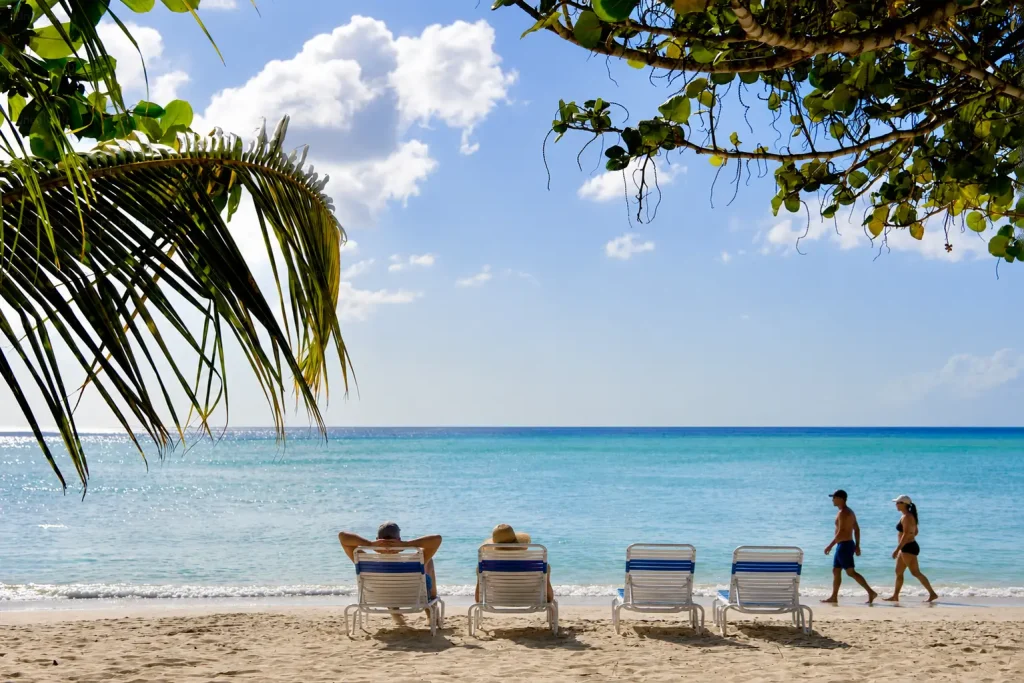
If the beaches of Mauritius were a high school clique, Grand Baie would be the popular kid with the expensive sunglasses, and Flic en Flac would be the laid back surfer who skips class to catch waves. Poste Lafayette? Poste Lafayette Beach is the moody, dramatic drama student who refuses to conform and writes poetry about the wind.
Welcome to the “Wild East” of Mauritius.
This is where the untamed forces of the Indian Ocean meet the volcanic shoreline in a glorious, noisy collision. Unlike the placid turquoise bathtubs of the west coast where the water barely laps at your ankles, Poste Lafayette offers a raw, rugged, and atmospheric experience that appeals to nature lovers, adventure seekers, and anyone trying to escape the typical tourist trap. It is not polished. It is not manicured. It is real.
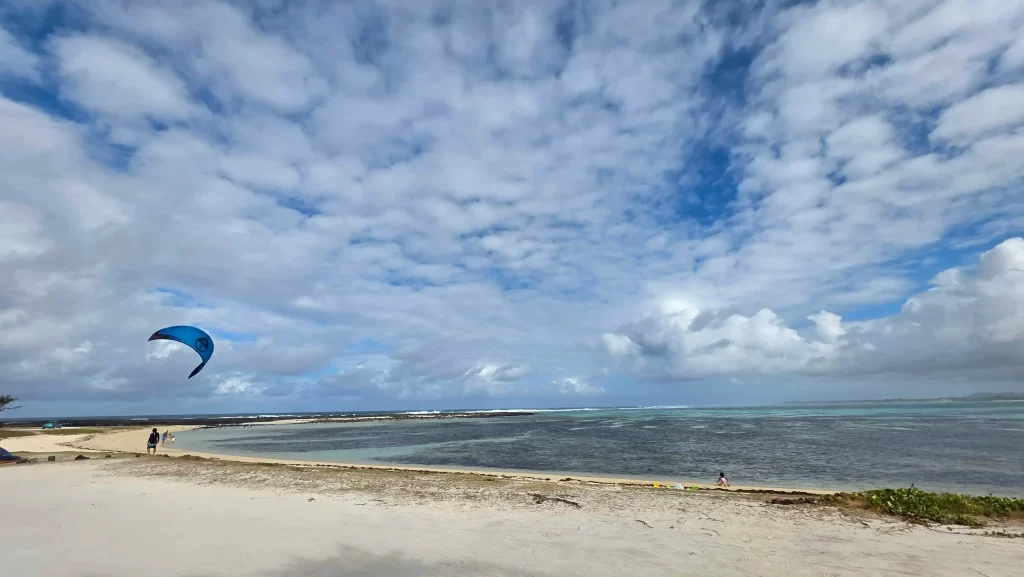
For many travelers, the image of Mauritius is a calm lagoon with water as still as glass. Poste Lafayette shatters that illusion in the best way possible. It offers a glimpse into what the island looked like before the resorts took over, a coastline defended by mangroves, sculpted by basalt, and ruled by the trade winds.
If you are planning a visit, check our guide on the best time to visit Mauritius because knowing the wind patterns here is absolutely critical. Visiting during the peak of winter can be a hair raising experience, quite literally, while the summer months offer a cooling respite from the inland heat.
Contents
Where in the World is It?
Poste Lafayette Beach is located in the Flacq District on the northeastern coast of the island. It sits somewhat isolated from the main tourist hubs, which is exactly why it has retained its charm. It is about 30 km from the capital, Port Louis, and roughly 55 km from the airport.
The topography here is unique and tells a geological story that goes back millions of years. Instead of a wide and endless strip of white powder sand that you might find in Trou aux Biches, you get a complex mix of coarse white sand, grassy patches, and jagged black volcanic rocks. These rocks are remnants of the ancient lava flows that formed the island. At Poste Lafayette Beach, they spill directly into the ocean, creating natural jetties and rock pools that teem with small marine life.
It feels ancient. It feels untouched. It feels like the island is showing you its teeth. To the north lies the equally rugged village of Roches Noires, and to the south lies the slightly more developed Poste de Flacq. Sandwiched between them, Poste Lafayette remains a sanctuary of green and blue, bordered by a dense forest of Casuarina trees (Filao) on one side and the deep blue ocean on the other.
How to Get There (Without Getting Lost)
Reaching Poste Lafayette Beach is relatively easy, though it requires navigating coastal roads that snake along the water’s edge. The journey itself is part of the experience, offering flashes of the deep blue sea between the trees.
By Car – Driving is your best bet as it allows you to explore the lengthy coastline at your own pace. The road stretches for several kilometers alongside the beach, and having a car means you can stop whenever you spot a cove that looks inviting. If you haven’t sorted out your wheels yet, read our tips on buying and registering a car in Mauritius or just renting one for the day.
From the North (Grand Baie or Grand Gaube), drive towards Goodlands and then follow the coastal road (B15) south through Roches Noires.
From the East (Flacq), take the coastal road heading north. You will pass the prestigious Constance Prince Maurice hotel before the road opens up into the wilder stretch of Poste Lafayette.
Parking Situation – There is a designated public beach parking area near the police station, but it is tiny and often crowded on weekends. However, do not worry. Because the beach stretches for kilometers along the road, you will find numerous “informal” parking spots under the trees.
By Bus – Public transport is reliable but can be slow due to the winding nature of the roads. Route 26 connects the North (Goodlands) to the East (Flacq) and stops directly at several points along Poste Lafayette. It is a scenic ride, but be prepared for a long journey if you are coming from far away.
The Vibe: Nature’s Hair Dryer
The defining characteristic of Poste Lafayette Beach is the wind. The southeast trade winds blow directly onto this coast for much of the year. This keeps the temperature pleasant even in the peak of summer, acting as a natural air conditioner when the rest of the island is sweltering. However, it also means you might lose a hat if you aren’t careful.
If you visit in July or August (winter), the wind can be brisk. You might want to bring a light jacket or a windbreaker. In December or January, that same wind is a blessing, cooling you down as you sit under the shade.
It is a loud beach. The sound of wind rushing through the dense Casuarina trees and waves slapping against the black volcanic rocks creates a constant white noise that many find meditative. It drowns out the sound of passing cars and creates a bubble of solitude. Unlike the north, you won’t find anyone trying to sell you a catamaran tour or a pashmina scarf here. You are left alone with the elements.
What to Actually Do Here
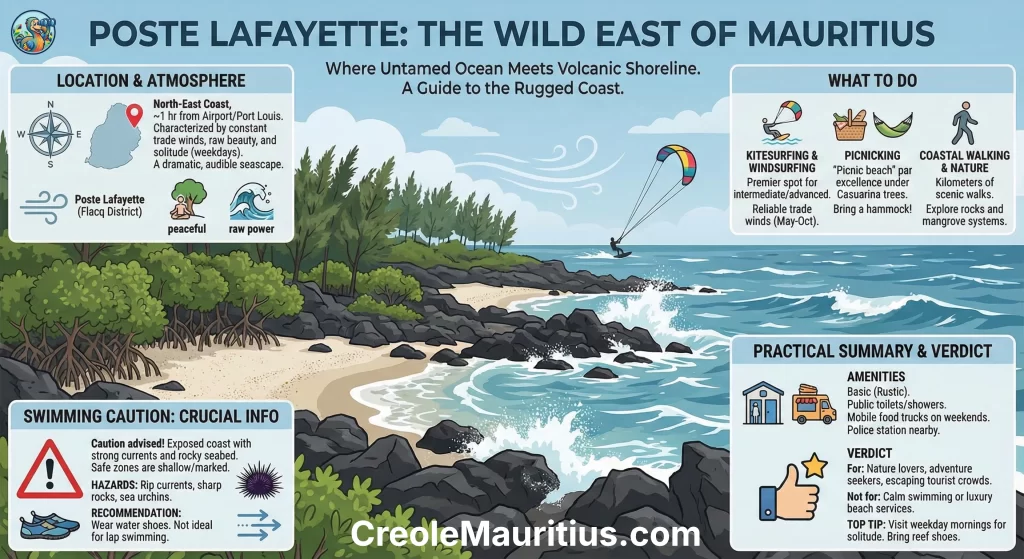
Since you probably won’t be doing lazy laps in the water (more on that later), you might wonder what one actually does at Poste Lafayette Beach. The answer is plenty, provided you adjust your expectations from “resort lounging” to “active exploration.”
1. Kitesurfing for the Brave
This is one of the premier spots for kitesurfing in Mauritius, particularly for those who want to escape the crowded lagoons of Le Morne. The reliable onshore or cross onshore wind makes it safe in the sense that you get blown back to shore if you crash or lose your gear. You won’t drift out to sea here.

It is suitable for intermediate to advanced riders who enjoy a bit of chop. The lagoon is not glass smooth; it has texture. The wind is consistent, usually ranging from 15 to 25 knots during the trade wind season (May to October). If you are a beginner, the rocky shoreline might be intimidating, so it is best to take lessons elsewhere before tackling the Wild East.
2. Professional Picnicking
Poste Lafayette is a picnic beach par excellence. In Mauritius, picnicking is not just eating a sandwich on a towel; it is a cultural event. The dense Casuarina forest provides a natural canopy that stretches for miles, offering ample shade. There are stone benches and tables scattered about, but most locals bring their own chairs and tables.
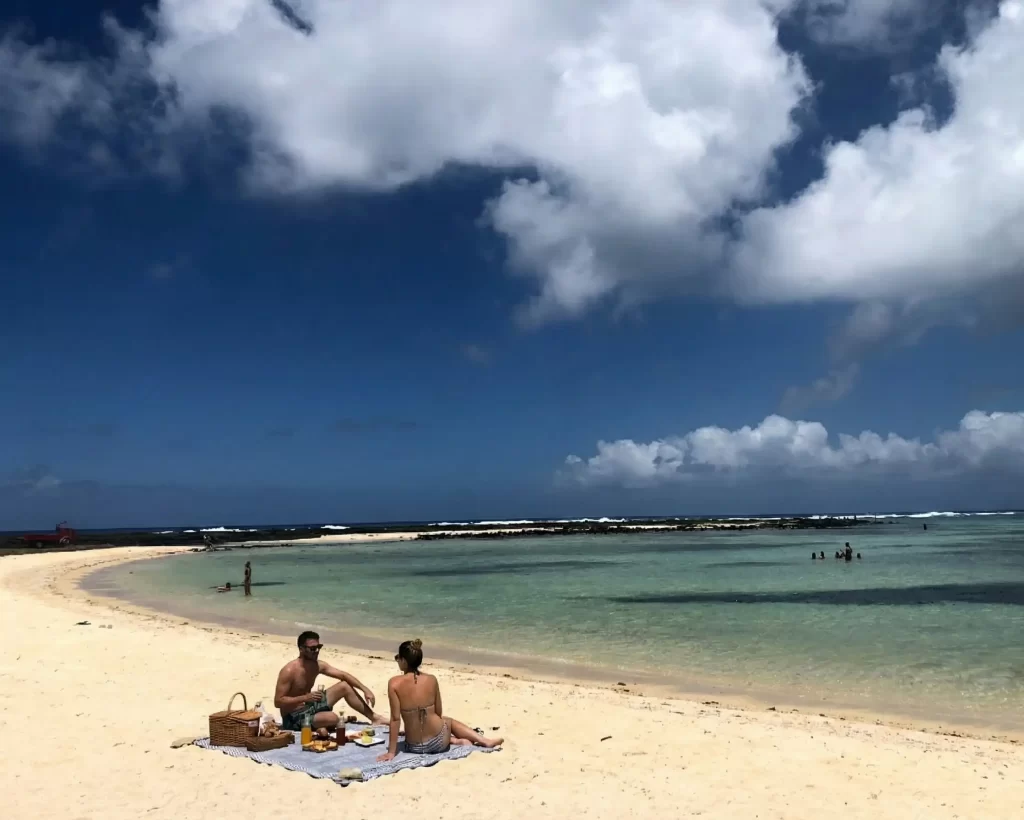
On weekends, the smell of woodsmoke and curry fills the air. Families arrive early to set up camp, bringing large pots of briani (biryani), portable gas stoves to fry fresh snacks, and musical instruments like the ravanne. The atmosphere is convivial and joyous. If you want to join the feast, you can pick up some snacks from the nearby village of Flacq. Check our list of 10 must-try foods in Mauritius to know what snacks to pack—gateaux piments are a must for any beach trip.
3. The Memorial
On the beach, near the main public area, you will find a solemn stone monument dedicated to Special Mobile Force (SMF) soldiers. On July 9, 1964, a military boat capsized during a training exercise in the rough waters here, leading to the tragic loss of several lives. The monument stands as a reminder that the ocean here is beautiful but powerful and is not to be trifled with. It adds a layer of history and respect to the site.
4. Coastal Hiking and Exploration
Because the beach is so long and rocky, it is perfect for walking. You can walk for kilometers, navigating around the black lava flows and exploring the small sandy coves that appear between them. The contrast between the bright green mangroves, the black rock, the white sand, and the deep blue ocean is visually striking and makes for incredible photography.
Keep an eye out for the small marine life in the rock pools, crabs, small fish, and shellfish are abundant. The mangroves themselves are worth a look; they are vital nurseries for the island’s fish stocks and protect the coast from erosion. Just be careful where you step, as the rocks can be slippery and sharp.
5. Kayaking in the South
If you head towards the southern end of Poste Lafayette, near the Jalsa Beach Hotel and towards Poste de Flacq, the lagoon becomes significantly more protected. Here, the water is calmer, and the wind is less aggressive. This area is fantastic for kayaking or paddleboarding. You can paddle through the mangrove channels, which feels like exploring a flooded forest.
Can I Swim? (The Million Dollar Question)
This is the most common question visitors ask, and the answer requires nuance.
General rule: Caution is advised.
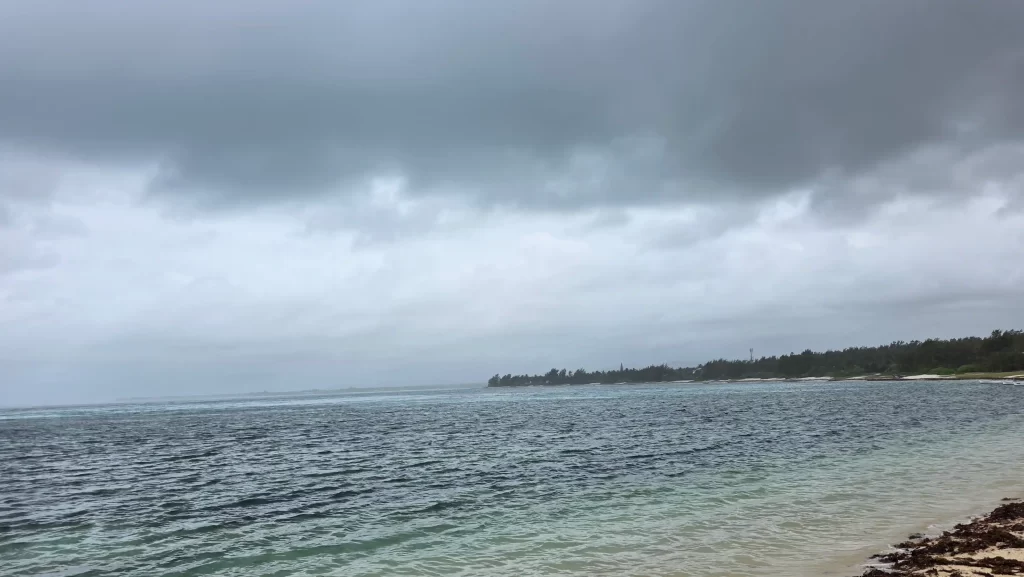
Unlike the calm bays of the North where you can float aimlessly with a drink in your hand, Poste Lafayette is exposed to the ocean’s energy. The coral reef here is often close to the shore or broken in places, allowing waves to crash through. The currents can be strong, and the floor is often rocky rather than sandy.
Hazards to Watch For:
- Rip Currents: These exist in the channels where the reef breaks. They can pull even strong swimmers away from the shore.
- The Seabed: The bottom is a mix of sand and sharp volcanic rock. Sea urchins also love to hide in the crevices of the rocks. Water shoes are not just recommended; they are a survival tool here. Do not go in barefoot unless you have thick skin and a high pain tolerance.
- The Wind: Swimming against the wind and the chop is surprisingly tiring. You might not realize how far you have drifted until you try to swim back.
Where is it Safe? There are specific areas, usually marked or clearly visible, where the water is calm and blue. These “swimming holes” are protected by a wider reef and are safe for a dip. The area directly in front of the main public beach park is generally shallow and swimmable, making it popular with families.
For a broader context on staying safe in the water and beyond, read our honest guide: Is Mauritius Safe?.
Where to Stay
If you fall in love with the wild vibe and decide that a day trip is not enough, there are a few places to crash nearby. Staying on this side of the island guarantees you spectacular sunrises (since you are facing east) and quiet evenings.
- Radisson Blu Poste Lafayette Resort & Spa: This is the main hotel on this stretch of coast. It is an adults only (mostly) resort that fully embraces the windy nature of the location. The architecture is designed to block the wind from the pool area, offering a calm oasis while you look out at the rough seas. It is a great option if you want luxury without the noise of kids running around.
- Jalsa Beach Hotel & Spa: A more budget friendly option located on a calmer part of the lagoon. It is popular with local families and offers a decent base for exploring the east.
Nearby Attractions
To make a full day of it, you should combine the beach with some nearby attractions. The east coast is full of hidden gems in Mauritius that most tourists miss because they stick to the west.
- Bras d’Eau National Park: Located just across the road from the southern end of the beach, this is a forest reserve that feels worlds away from the coast. It features walking trails (like the Coq de Bois Trail) and is one of the few places where you might spot the rare Mauritius Paradise Flycatcher.
- Sagar Shiv Mandir: A stunning Hindu temple sitting on a small islet (Ile Goyaves) in Poste de Flacq. It is connected to the mainland by a causeway and is surrounded by the ocean and mangroves. It is an incredibly photogenic and spiritual site. For more on the spiritual side of the island, check out our article on religion in Mauritius.
- Roches Noires Lava Tubes: Just north of Poste Lafayette, the village of Roches Noires sits atop a network of underground lava caves. These tubes were formed when the surface of lava flows cooled and hardened while the molten lava beneath kept flowing. Finding them can be tricky, so it is best to ask a local or hire a guide.
Practical Tips for Your Visit
To ensure you have the best possible time at the Wild East, here is a quick checklist.
- Bring Reef Shoes: We cannot stress this enough. The rocks are sharp, and the sea urchins are plentiful. Save your feet.
- Pack a Picnic: There are no restaurants directly on the sand, though there are mobile food trucks that sell rotis, boulettes (dumplings), and pineapple with chili salt on weekends. If you want a proper meal, bring it with you.
- Sun Protection: The wind can be deceiving. You might not feel the heat of the sun because of the cool breeze, but the UV index is still high. Wear sunscreen and a hat (one that ties under your chin so it doesn’t fly away).
- Go on a Weekday: If you want the “Robinson Crusoe” experience of having the beach to yourself, go on a Tuesday or Wednesday. On Sundays, it is a party.
- Photography: The best light is at sunrise. The sun comes up right over the ocean, illuminating the black rocks and the spray of the waves. It is a dramatic scene that is worth the early wake up call.
The Verdict
Poste Lafayette Beach is not the beach for you if you want calm water, umbrella rentals, and a waiter bringing you cocktails with little umbrellas in them. If that is what you are after, head to Trou aux Biches or Le Morne.
It is the perfect beach for you if you want to escape the tourist bubbles, breathe fresh ocean air, and witness the raw volcanic beauty of Mauritius. It is a place that feels deeply connected to the island’s geological soul. It is loud, it is windy, and it is unapologetically wild.
So, pack your cooler box, lace up your reef shoes, and head east. Just remember to leave the frisbee at home unless you want it to end up in Madagascar.