
Ozempic in Mauritius: Price, Availability & Uses
Medical disclaimer: This article provides general information and should not replace advice from a qualified healthcare professional. Ozempic is a prescription medicine. Always consult your doctor before starting, changing or stopping treatment.
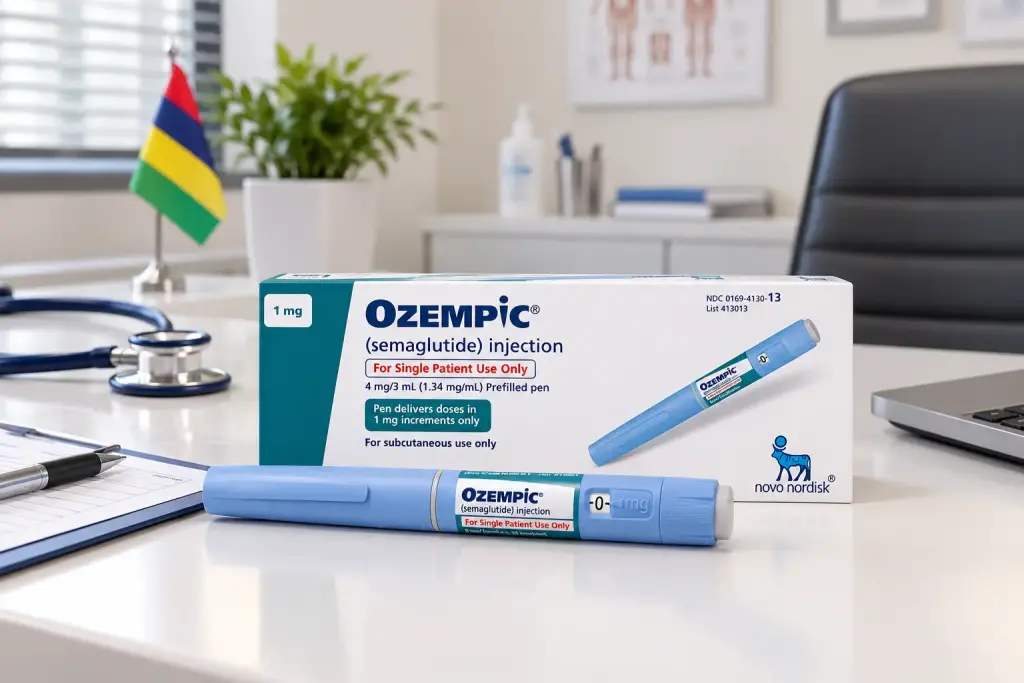
Ozempic is now available in Mauritius, giving people with type 2 diabetes another treatment option. The medicine was officially launched by Danish pharmaceutical company Novo Nordisk on 1 July 2026, following its approval by local health authorities.
The once-weekly injection has attracted considerable attention worldwide, partly because of its effects on weight. However, in Mauritius, Ozempic is authorised for treating type 2 diabetes and is available only with a doctor’s prescription.
For Mauritian patients, the questions are fairly practical. How much does Ozempic cost? Which pharmacies stock it? How effective is it for diabetes, and what side effects should you know about?
There’s also the question of Wegovy, another semaglutide medicine developed for weight management. Although both contain the same active ingredient, their approved uses and dosing are different.
This guide covers Ozempic’s availability and price in Mauritius, who may be prescribed it, and the precautions worth discussing with your doctor.
Is Ozempic Available in Mauritius?
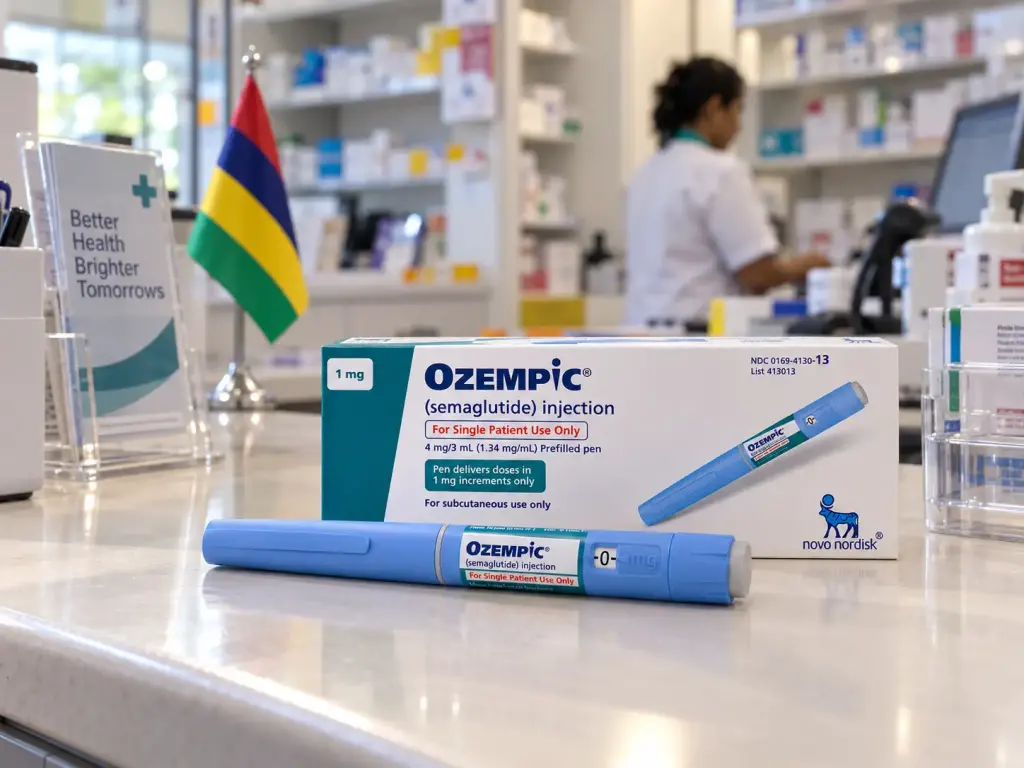
Yes. Novo Nordisk officially launched Ozempic in Mauritius on 1 July 2026, after receiving local marketing authorisation in May. The medicine is available through the private pharmacy sector, with a valid medical prescription.
According to an interview with Novo Nordisk Middle Africa’s general manager, Jakob Mollerup, the company had prepared its local supply arrangements before the launch. At that time, he said the medicine was available through most pharmacies, although stock at individual branches can change.
Three weekly dose strengths were introduced locally:
- 0.25 mg
- 0.5 mg
- 1 mg
The 2 mg weekly dose, available in certain overseas markets, was not included in the original Mauritian launch authorisation. Patients should check with their pharmacist or prescriber for any subsequent changes in local registration.
The July rollout initially focused on private pharmacies. Public hospital availability should be confirmed directly with the relevant healthcare provider, as approval for sale does not automatically mean a medicine is supplied through the public health system.
Mauritius has a particularly high burden of diabetes. Figures cited by Novo Nordisk from the International Diabetes Federation suggest that approximately 22.6% of Mauritians aged 20 to 79 are living with type 2 diabetes. Better access to treatment is therefore an important issue for patients and healthcare providers, although Ozempic will not be suitable for everyone.
What Is Ozempic and How Does It Work?
Ozempic is the brand name for semaglutide, a medicine belonging to a group called GLP-1 receptor agonists. These medicines act on some of the same processes as GLP-1, a hormone naturally released by the body after eating.
For someone with type 2 diabetes, semaglutide helps the pancreas release insulin when blood sugar is elevated. It also reduces the release of glucagon, a hormone that can increase blood sugar, and slows stomach emptying.
Some people taking semaglutide also feel less hungry and become full sooner. That can lead to weight loss, although the degree of weight change varies between patients.
Doctors may prescribe Ozempic alongside changes to diet and physical activity, or in combination with other diabetes medicines. Its suitability depends on the individual’s health and existing treatment.
International clinical studies have also found cardiovascular and kidney benefits in certain groups of patients with type 2 diabetes. The exact indications recognised in Mauritius depend on its local product authorisation, so patients should discuss these possible benefits with their treating doctor rather than assuming they apply to everyone.
For general information about medical care, prescriptions and treatment services on the island, see our guide to the healthcare system in Mauritius.
How Much Does Ozempic Cost in Mauritius?
When Ozempic launched in July 2026, Novo Nordisk quoted a retail price of approximately Rs 6,300 per pen. Each of the locally introduced pen presentations contains four weekly injections, giving roughly four weeks of treatment when used as prescribed.
There is now a more recent official price reference. The Mauritius government’s Pharmaceutical Price Fixing Information Management System lists a subsidised maximum retail price of Rs 6,451.70 for the 0.25 mg, 0.5 mg and 1 mg Ozempic FlexTouch presentations, effective 3 October 2026.
You can check the latest figures through the Mauritius government pharmaceutical price database. Prices may be revised, and the amount paid at a particular pharmacy can be lower than the published maximum.
At the October listed price, four weeks of Ozempic would cost around Rs 6,450 for the medicine alone. That does not include medical consultations, blood tests or any other treatment costs. Insurance reimbursement also depends on the policy and insurer.
This makes the ongoing cost worth discussing before beginning treatment. Ozempic is usually considered as part of a continuing diabetes management plan, rather than a medicine someone takes for a few weeks and then stops without follow-up.
Patients paying privately may want to factor in consultations with a general practitioner or diabetes specialist. Our article on the cost of private healthcare in Mauritius provides an overview of consultation fees and other medical expenses.
Who Can Take Ozempic?
Ozempic is authorised in Mauritius for adults with type 2 diabetes. A doctor may consider it when blood sugar is not adequately controlled by existing treatment and lifestyle measures, or when other aspects of a patient’s health make a GLP-1 medicine appropriate.
Before prescribing it, a doctor will generally review blood sugar measurements, HbA1c results, current medication and medical history. Kidney function, eye health and other existing conditions may also influence the decision.
People taking insulin or certain diabetes tablets may need closer monitoring because combining treatments can increase the risk of low blood sugar. Any adjustments to existing medicines should be made by the prescriber.
Ozempic is not an insulin replacement and is not intended for treating type 1 diabetes. People who are pregnant, planning pregnancy or have particular medical conditions also need specific advice about whether semaglutide is appropriate.
Having type 2 diabetes does not automatically mean Ozempic is the best option. Some patients can achieve satisfactory control with other treatments, which may be less expensive or better suited to their circumstances.
Ozempic vs Wegovy: What Is the Difference?
Ozempic and Wegovy both contain semaglutide, but they have different primary approved uses and dosing schedules.
| Medicine | Primary purpose | Active ingredient |
|---|---|---|
| Ozempic | Type 2 diabetes treatment | Semaglutide |
| Wegovy | Weight management in eligible patients | Semaglutide |
Ozempic can lead to weight loss in some people being treated for diabetes. However, it is not locally authorised specifically as a weight-loss treatment.
Wegovy was developed for longer-term weight management in patients who meet medical eligibility criteria, including people with obesity and certain people who are overweight with related health conditions. The approved doses and eligibility rules may vary between countries.
During Ozempic’s launch in July 2026, Novo Nordisk announced plans to introduce Wegovy in Mauritius later that month. The announcement was reported by Le Défi Media Group and discussed in subsequent interviews with the manufacturer.
That announcement alone does not confirm the current stock position at Mauritian pharmacies. Anyone interested in Wegovy should ask a doctor or licensed pharmacist about its present registration, availability and appropriate use.
Neither medicine should be obtained without a prescription or used simply to lose a few kilograms for cosmetic reasons. Patients already taking semaglutide should also avoid switching products or combining treatments without medical guidance.
How Is Ozempic Taken?
Ozempic is given as an injection under the skin once a week, usually using a prefilled pen. Common injection sites include the abdomen, thigh and upper arm.
Treatment generally begins at a lower dose before being increased gradually, depending on the patient’s response and tolerance. This approach helps reduce digestive side effects, which are often more noticeable when someone first starts taking the medicine.
Patients should receive instructions from their doctor or pharmacist on using the pen, choosing injection sites and storing it correctly. The official Ozempic prescribing information and medication guide also explain important precautions, although local instructions and the approved presentation should always take priority.
If you miss an injection, become unwell or experience troublesome side effects, follow the instructions provided with your medicine and speak to your pharmacist or doctor when necessary. Do not take extra injections to compensate for a missed dose.
Ozempic Side Effects and Safety Precautions
Like other GLP-1 medicines, Ozempic can cause side effects. Digestive symptoms are the most frequently reported, especially during the early stages of treatment or following a dose increase.
Common side effects include nausea, vomiting, diarrhoea, constipation and abdominal discomfort. Some people also notice a reduced appetite or feel full sooner than usual.
These symptoms may improve as the body adjusts, although persistent or severe symptoms should be discussed with a healthcare professional. Repeated vomiting or diarrhoea can cause dehydration and may affect kidney function.
There are also less common but more serious problems that patients should understand before starting treatment. These include inflammation of the pancreas (pancreatitis), gallbladder disease, severe allergic reactions and worsening of certain diabetic eye complications.
People taking insulin or sulphonylurea medicines can also face a higher risk of hypoglycaemia, or low blood sugar. Your doctor may need to review existing medication and explain how to recognise and manage a low blood sugar episode.
An additional safety concern has received attention from European regulators. In June 2025, the European Medicines Agency concluded that non-arteritic anterior ischaemic optic neuropathy (NAION), a condition that can cause sudden vision loss, is a very rare adverse effect of semaglutide. The agency estimated that it may affect up to one in 10,000 users.
Anyone experiencing sudden loss of vision or rapidly worsening eyesight while taking semaglutide should seek urgent medical attention. You can read the European Medicines Agency’s safety announcement for more information.
The medicine also carries important precautions concerning thyroid C-cell tumours, based on animal studies. People with a personal or family history of medullary thyroid carcinoma or Multiple Endocrine Neoplasia syndrome type 2 should tell their doctor before treatment. Whether and how these restrictions apply should be assessed using the locally approved product information.
Women who are pregnant or planning pregnancy should discuss treatment with their doctor. Semaglutide is generally stopped at least two months before a planned pregnancy, according to prescribing guidance. Patients should also tell their healthcare team if they are due to undergo surgery or a procedure involving anaesthesia, because GLP-1 medicines slow stomach emptying.
Seek urgent medical care if you develop severe, persistent abdominal pain, a serious allergic reaction or sudden visual changes. If you experience significant vomiting or other concerning symptoms, contact your healthcare professional promptly.
Where Can You Get Ozempic in Mauritius?
Ozempic is supplied through licensed pharmacies in Mauritius with a valid prescription. If your doctor recommends treatment, ask which pharmacy can provide the prescribed presentation and whether regular supplies are expected to be available.
It is worth confirming the exact cost before purchasing, particularly if you are paying privately. Ask your doctor about follow-up visits, monitoring and any additional medication costs as well. If you have health insurance, check whether your policy covers the medicine and the associated consultations.
Be cautious about social media advertisements or websites offering Ozempic without medical assessment. The World Health Organization has issued warnings about falsified Ozempic products found in international markets. These products may contain incorrect ingredients or doses, putting patients at risk.
Buying through an established pharmacy also allows you to check the packaging, expiry date and storage instructions. Semaglutide pens are temperature-sensitive, and incorrect storage can affect their quality.
For people moving to Mauritius who already use Ozempic or another diabetes medicine, arranging continuity of treatment is particularly important. Bring your medical records and current prescription to a local doctor, and confirm availability before your existing supply runs out.
Our cost of living in Mauritius guide may also be useful if you are budgeting for longer-term expenses on the island, including private healthcare.
Frequently Asked Questions
Is Ozempic available in Mauritius in 2026?
Yes. Ozempic was officially launched in Mauritius on 1 July 2026 and is available through licensed pharmacies with a doctor’s prescription. Individual pharmacy stock can vary.
What is the price of Ozempic in Mauritius?
The government pharmaceutical price database lists a subsidised maximum retail price of Rs 6,451.70 for the locally listed 0.25 mg, 0.5 mg and 1 mg pens, effective 3 October 2026. Check the current price with your pharmacist, as official figures can change.
Can I buy Ozempic without a prescription?
No. Ozempic is a prescription-only medicine in Mauritius. A doctor must assess whether it is suitable for your condition.
Is Ozempic used for weight loss?
Weight loss can occur during Ozempic treatment, but its approved purpose in Mauritius is type 2 diabetes management. Wegovy, which also contains semaglutide, is intended for weight management in patients who meet the relevant medical criteria.
What doses of Ozempic are available locally?
The original Mauritian launch covered the 0.25 mg, 0.5 mg and 1 mg weekly doses. Availability and any newer authorisations should be confirmed with a licensed pharmacist or the relevant health authority.
Is Ozempic available free at public hospitals?
The July 2026 launch initially covered private pharmacies. Patients should check with their public hospital or healthcare provider about the current availability of Ozempic through government treatment programmes.
Is Wegovy available in Mauritius?
Novo Nordisk announced plans in July 2026 to introduce Wegovy in Mauritius. That announcement does not establish whether a particular dose is currently stocked. A doctor or licensed pharmacy can advise on its latest local availability.
Can I stop my other diabetes medicines after starting Ozempic?
Do not stop or adjust any existing diabetes medicine without speaking to your doctor. Treatment changes depend on your blood sugar control, other medical conditions and the medicines you already take.
For people with type 2 diabetes in Mauritius, Ozempic provides an additional treatment option, although its cost and suitability need careful consideration. The sensible starting point is a consultation with your usual doctor or diabetes specialist, who can assess whether semaglutide has a place in your treatment plan.




Questions and tips