Thinking about moving to Mauritius? Island life can be beautiful, safe and rewarding, but it is very different from visiting for a holiday. This guide breaks down the real pros and cons of living in Mauritius as an expat so you can decide whether the lifestyle, costs, weather, healthcare and pace of life are right for you.
Quick Answer: Mauritius is a good place to live for expats who want safety, nature, reliable internet, private healthcare, international schools and a slower island lifestyle. It is less suitable for people who want very low living costs, big-city entertainment, strong public transport or highly specialised healthcare.
Moving to Mauritius as an expat feels very different from a two-week holiday in a beach resort. If you are considering the move, here is an honest, grounded look at the living in Mauritius pros and cons for 2026.
Table of Contents
At a Glance
- Best for: remote workers, retirees, families, entrepreneurs, nature lovers
- Main strengths: safety, beaches, outdoor lifestyle, internet, multicultural society
- Main downsides: cost of living, car dependence, imported goods, cyclone season, limited nightlife
- Best areas: Grand Baie, Tamarin, Black River, Flic en Flac, Moka, Curepipe
- Typical monthly budget: varies widely, but comfortable expat life is not cheap
- Car needed: usually yes
- Best lifestyle fit: people with foreign income, pensions or strong savings
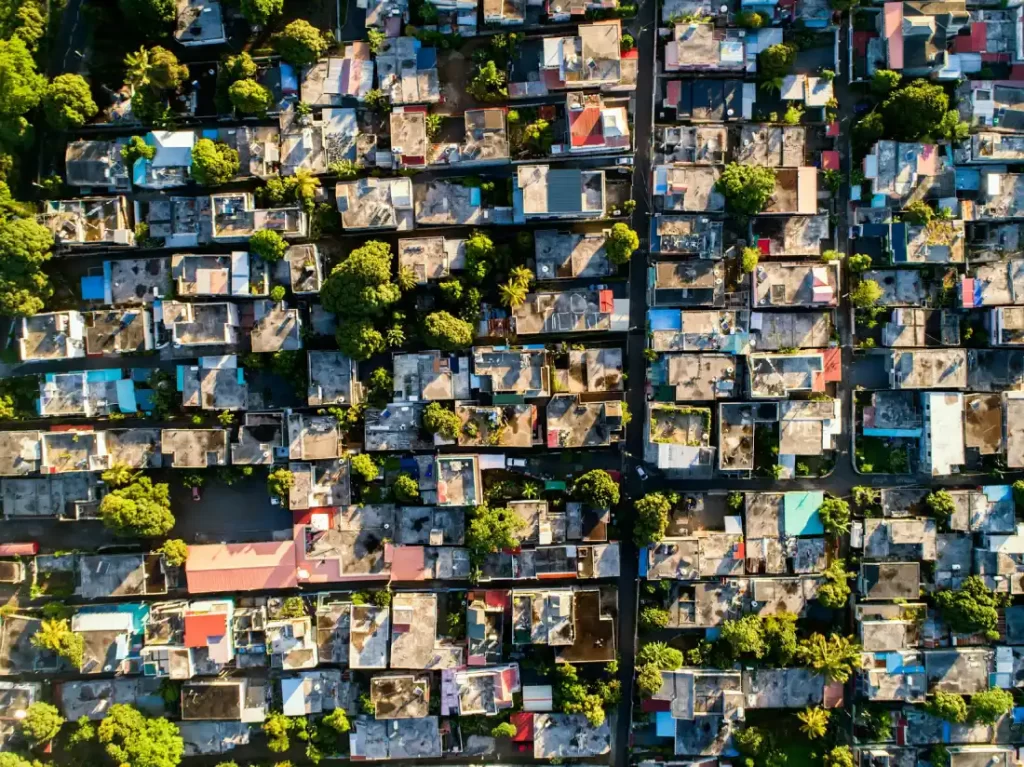
Pros and Cons of Living in Mauritius
| Pros | Cons |
|---|---|
| Safe and politically stable | Cost of living can be higher than expected |
| Beautiful beaches and nature | Imported goods are expensive |
| Reliable internet for remote work | Traffic and car dependence |
| Multicultural society | Cyclone season and flooding |
| Good private schools and clinics | Limited nightlife and island fever |
| Strong outdoor lifestyle | Lower local salaries |
Living in Mauritius vs Visiting Mauritius
Visiting Mauritius as a tourist is very different from living there. As a tourist, you experience an all-inclusive bubble. As a resident, you deal with the realities of daily life: paying utility bills, navigating school fees, managing transport and car dependence, accessing healthcare, and dealing with local bureaucracy.
You also face the high cost of imported goods and the realities of weather during cyclone season. It is crucial to arrive with realistic expectations rather than expecting a pure, hassle-free paradise.
The Main Pros of Living in Mauritius
Safety and Political Stability
Mauritius is consistently ranked as one of Africa’s most stable democracies. It boasts regular elections, a strong rule of law, and relatively high human-development indicators. While opportunistic petty theft happens, daytime safety is generally high, and violent crime is much lower than in many regional peers.
Outdoor Lifestyle, Beaches and Nature
Year-round access to the ocean and nature is the island’s biggest draw. Expats spend their weekends swimming, surfing, sailing, or hiking trails in places like Black River Gorges National Park. The north and west coasts offer warm, relatively dry weather much of the year.
Pleasant Winter Climate
The climate is tropical maritime. While summers (November to April) are hot and humid, winters (May to October) are cooler, breezier, and much more comfortable for many expats, especially on the central plateau.
Multicultural Society and Religious Harmony
The island is a fascinating blend of Indian, African, Chinese, and European influences. Religious coexistence is a cornerstone of society, with Hindu temples, mosques, churches, and pagodas sitting side-by-side.
Food Culture and Local Markets
Local food blends Creole, Indian, Chinese, and European influences. You can find affordable street snacks like dholl puri alongside fresh, low-cost produce at traditional markets.
Reliable Internet and Remote-Work Practicality
Mauritius has wide fibre coverage in most populated areas, especially in established towns and expat hubs. This robust infrastructure makes the island highly practical for digital nomads and remote workers.
Private Healthcare Options
The private healthcare sector is well-developed, with clinics like C-Care and Life | Nova providing reliable day-to-day medical services and routine surgeries in comfortable, modern environments.
International Schools and Family Lifestyle
For families, Mauritius offers a dense ecosystem of international and bilingual schools (offering IB and Cambridge curricula). Combined with safe neighborhoods and outdoor activities, it is highly appealing for families.
Tax and Business Environment
Mauritius is often attractive for entrepreneurs because of its relatively simple tax environment, but tax rules depend on personal circumstances and should be checked with a professional.
Expat Communities and Ease of Settling In
Expat communities are well-established in the north, west, and central plateau. Relocation agencies, property agents, and Facebook groups make the initial setup relatively manageable.
Slower Pace and Quality of Life
Mauritius offers a slower daily rhythm, shorter commutes (if living near schools/work), and a cultural norm of spending weekends outdoors, which many expats find highly beneficial for mental health.
The Main Cons of Living in Mauritius
Cost of Living Can Be Higher Than Expected
Mauritius is not a budget destination. Inflation and continued demand in expat areas have pushed up rents and everyday costs. A comfortable expat lifestyle requires a solid budget.
Imported Goods Are Expensive
Items like imported cheese, branded cosmetics, electronics, baby products, and wine carry a heavy premium due to shipping and duties.
Traffic and Car Dependence
Outside the central Metro Express corridor, you will need a vehicle. Because road congestion is heavy around Port Louis and Moka during rush hour, relatively short commutes can still take 45 to 60 minutes.
Cyclone Season, Heavy Rain and Flooding
From November to April, the island experiences its cyclone season. While direct, devastating hits are rare, heavy rains frequently cause localized flooding and infrastructure disruptions, including power outages.
Public Healthcare Limitations
While public hospitals provide free care, they can involve long waits, crowded facilities, and limited privacy. Expats generally prefer private clinics, which are significantly more expensive.
Lower Local Salaries Compared with Expat Lifestyle Costs
The average monthly salary in Mauritius is around Rs 22,000. These local income levels sit uneasily alongside high coastal rents and international school fees. Relying purely on local salaries for an expat lifestyle is very difficult.
Limited Nightlife and Entertainment
Outside a few hotspots like Grand Baie and Flic en Flac, nightlife is relatively subdued. Expats used to big-city cultural calendars (concerts, theater, galleries) may find the island quiet.
Island Fever and Small-Island Limitations
Mauritius is geographically small. After the honeymoon phase, some expats experience “island fever” due to the limited variety of new restaurants, weekend activities, and venues. Travel off the island is often costly.
Bureaucracy and Slower Service Culture
Expats often report frustrations with paperwork, in-person appointments, and varying interpretations of rules between offices. A patient approach is necessary.
Noise Pollution in Some Areas
Densely populated neighborhoods can experience noise from traffic, dogs, construction, and occasional late-night events or religious festivals with loud music.
Difficulty Integrating Beyond Expat Circles
Many expats find that their social life remains largely within expat circles. Cultural nuances and long-established local friend groups can create subtle barriers to deep integration.
Limited Specialised Healthcare for Complex Cases
For highly complex medical emergencies, advanced oncology, or rare conditions, the island lacks super-specialized healthcare centers, meaning medical evacuation to South Africa, India, or Europe is sometimes necessary.
The Cost of Living in Mauritius: What to Expect
Budgeting correctly is the most important part of your relocation. (If you plan to purchase a home rather than rent, be sure to research the hidden costs of buying property in Mauritius first).
These are indicative mid-range budgets and will vary by location, lifestyle, rent, schools, healthcare and transport. Crucially, the family budget below excludes school fees, which are a major expense.
| Profile | Approx. Total (MUR) | Approx. Total (USD) |
|---|---|---|
| Single remote worker (coastal, 1-bed) | ~Rs 75,000 | ~$1,600 |
| Couple (coastal, 2-bed) | ~Rs 106,000 | ~$2,250 |
| Family of four (3-bed near schools) | ~Rs 172,000 | ~$3,650+ (Excludes school fees) |
| Retiree couple (inland/modest coastal) | ~Rs 93,000 | ~$2,000 |
These figures are estimates only and can vary significantly depending on exchange rates, lifestyle, school choice, healthcare needs and location. Note: International school fees typically range from Rs 200,000 to Rs 400,000 per year per child.
What Makes Mauritius Expensive for Expats?
Mauritius becomes expensive due to:
- High coastal rents in expat hubs.
- Expensive imported groceries.
- The high cost of cars and fuel (due to import duties).
- Private healthcare and health insurance premiums.
- International school fees.
- Eating out in tourist-heavy areas.
- High prices for electronics and branded products.
How to Live More Affordably in Mauritius
- Live inland (like Curepipe or Rose Hill) or outside prime coastal hubs.
- Buy local produce and use local markets instead of supermarkets.
- Limit imported goods and embrace local brands.
- Choose housing close to school or work to reduce commute costs.
- Avoid unnecessary long-term car rental if possible (buy a used car if staying long-term).
- Compare health insurance and school costs early.
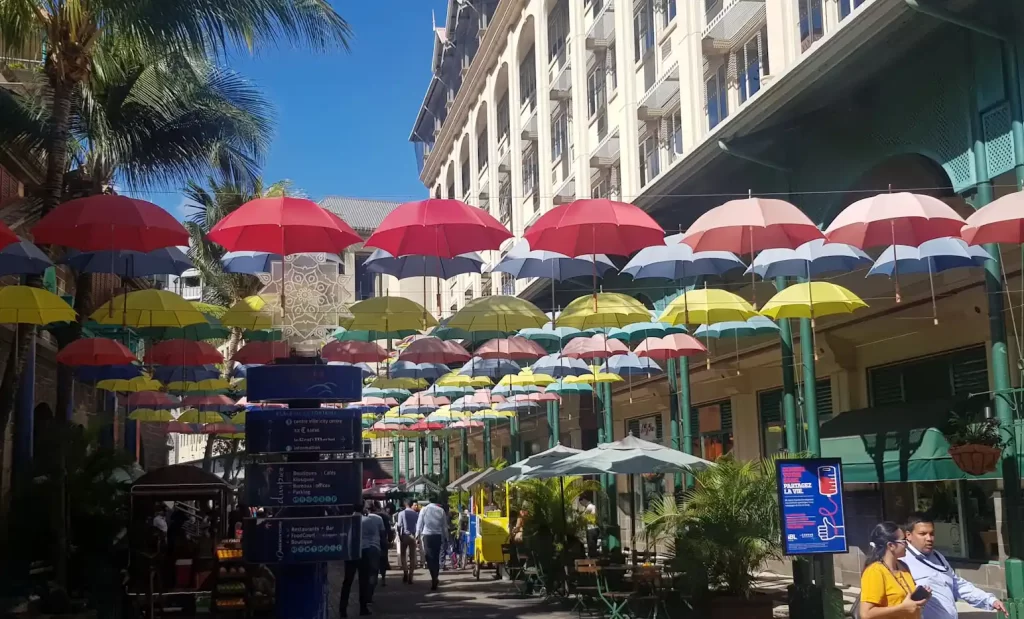
Best Places to Live in Mauritius for Expats
Grand Baie
- Vibe: Lively northern hub
- Pros: Beaches, malls, restaurants, nightlife, schools nearby
- Cons: Traffic, higher rents, touristy, noise
- Typical Rent (Mid-Range): 3-bed: ~Rs 70k–90k
- Best Suited For: Social expats, retirees, families wanting amenities
Pereybere / Mont Choisy
- Vibe: Quieter northern beach villages
- Pros: Swimmable lagoons, family-friendly, close to services
- Cons: Limited parking, peak-season congestion
- Typical Rent (Mid-Range): 3-bed: ~Rs 70k–100k
- Best Suited For: Families, swimmers, retirees wanting a calmer north
Tamarin
- Vibe: West-coast surf town
- Pros: Sunsets, surf, laid-back vibe, popular with digital nomads
- Cons: High demand, rising prices, limited nightlife
- Typical Rent (Mid-Range): 3-bed: ~Rs 70k–100k+
- Best Suited For: Remote workers, surfers, outdoorsy expats
Black River
- Vibe: Upmarket west-coast corridor
- Pros: Villas, marinas, good schools access, drier climate
- Cons: Among most expensive, car-dependent
- Typical Rent (Mid-Range): Villas: ~Rs 90k–150k+
- Best Suited For: High-budget families, boaters, executives
Flic en Flac
- Vibe: Lively west-coast resort town
- Pros: Long beach, nightlife, more mid-range rentals
- Cons: Can be busy/noisy, tourist-heavy on weekends
- Typical Rent (Mid-Range): 2-bed apt: ~Rs 30k–60k
- Best Suited For: Younger expats, those wanting beachfront access
Moka
- Vibe: Central “smart city”
- Pros: Business parks, malls, top schools, cooler climate
- Cons: No beach, rush-hour traffic to coast
- Typical Rent (Mid-Range): 3-bed: ~Rs 45k–80k
- Best Suited For: Professionals in Ebène and families prioritizing schools
Curepipe
- Vibe: Cool, inland town on plateau
- Pros: Cheaper housing, cooler weather, more local feel
- Cons: More rain, less beach access, fewer expat services
- Typical Rent (Mid-Range): 2-bed: ~Rs 25k–45k
- Best Suited For: Budget-conscious expats and long-term residents
Beau Bassin / Rose Hill
- Vibe: Dense central urban area
- Pros: Affordable, access to metro/buses, local life
- Cons: Traffic, noise, limited green space
- Typical Rent (Mid-Range): 2-bed: ~Rs 25k–45k
- Best Suited For: Commuters, local-integration-oriented expats
Port Louis
- Vibe: Capital city
- Pros: Government, offices, markets, metro terminus
- Cons: Hot, busy, limited residential appeal
- Typical Rent (Mid-Range): 2-bed: ~Rs 25k–50k
- Best Suited For: Short-term professionals needing office proximity
Which Area Is Best for You?
- Grand Baie is best for amenities and social life.
- Tamarin/Black River is ideal for an outdoor lifestyle and sunsets.
- Flic en Flac suits those wanting beach access and a younger crowd.
- Moka is excellent for families, schools, and professionals.
- Curepipe/Rose Hill offers lower rents and a more local lifestyle.
- Port Louis is mainly for people who need to be near work or government offices.
Visas and Working Locally
Foreigners cannot simply arrive and look for a local job; you must secure the correct legal permit.
Disclaimer: Visa rules, income thresholds and permit conditions can change. Always verify current requirements with the official Mauritian authorities before making plans. Immigration and residency rules can change, so readers should always confirm current requirements before making financial or relocation decisions.
- Tourist Visas: Depending on nationality and immigration approval, some visitors may be allowed to stay up to 180 days per calendar year. You cannot work locally.
- Premium Visa: The Premium Visa is suitable for remote workers, retirees and long-stay visitors earning income from outside Mauritius. It generally allows eligible non-citizens to stay for up to one year, with renewal possible, while not entering the Mauritian labour market.
- Occupation Permit (OP): A combined work and residence permit for Investors, Professionals (requires a sponsored local contract), and Self-Employed consultants.
- Retirement Permit: For non-citizens over 50 who can transfer a minimum monthly amount (commonly cited as USD 2,000, but applicants should verify the current requirement before applying) into a Mauritian bank account.
- Local Employment Restrictions: Working locally without the correct permit is illegal and can lead to deportation.
Tax and Legal Considerations
- Immigration residency is not the same as tax residency.
- Remote workers may still have tax obligations in their home country.
- Business owners, retirees and high earners should get professional advice before relocating.
Is Mauritius Safe for Expats?
Mauritius is generally safe, but it is not completely crime-free.
- General Safety: Violent crime is low compared to many regional peers.
- Petty Theft & Burglary: Opportunistic theft, purse snatching, and residential burglaries do occur. Using home alarms and not leaving valuables in cars is standard practice.
- Women and Families: Generally feel very safe during the day, though walking alone in quiet areas at night is discouraged.
- Road Safety: Narrow roads, sudden pedestrians, and wandering dogs make defensive driving essential.
- Precautions: Exercise caution in busy markets, at beaches (don’t leave bags unattended), at ATMs, and in crowded areas.
Healthcare in Mauritius
- Public vs Private: Public healthcare is free for residents but can involve long waits and limited privacy. Private clinics are preferred by many expats.
- Private Clinics: Facilities like C-Care offer modern, comfortable environments and shorter waiting times.
- Insurance: Health insurance is strongly recommended to cover private consultation fees and hospital stays.
- Quality of Care: Routine care, general medicine, and many specialties are generally good.
- Specialised Care: Complex or highly specialised care (advanced oncology, rare neurosurgery) may require treatment abroad.
- Chronic Conditions: People with chronic conditions should check specialist availability, medication access and medical evacuation insurance before relocating.
Schools and Family Life
- International & Private Schools: Mauritius has a strong network of international and private schools offering IB, Cambridge, and French curricula.
- School Fees: Fees vary widely but are generally a massive portion of the family budget. Families should contact schools early because availability, fees, curriculum and admission requirements vary widely.
- Admissions: Admissions and availability should be checked early, as waiting lists exist.
- Family-Friendly Areas: Coastal areas (north and west) and Moka are very popular with families.
- Lifestyle: The outdoor lifestyle is fantastic for children.
- Car Dependence: Be prepared for car dependence for school runs and after-school activities.
Daily Life in Mauritius
- Transport: Car dependence is high. The bus network is cheap but slow, and the Metro Express only covers specific central routes.
- Shopping: Modern supermarkets (Super U, Winners) exist alongside local markets.
- Local Markets: Great for fresh, affordable produce and street food.
- Banking and Payments: Modern banking and contactless payments are common, but cash is still needed for markets and buses.
- Mobile Phones and Internet: 4G/5G coverage is widespread, and data packages are reasonably priced.
- Domestic Help: Employing part-time cleaners or gardeners is common and relatively affordable.
- Social Life: Social life revolves around house gatherings, beach days, school networks, and sports clubs rather than big city events.
- Language: English is the official language, French dominates media, and Mauritian Creole is the language of the streets. Learning a few words of Creole goes a long way!
- Everyday Logistics: Many services still work through phone calls, WhatsApp, personal recommendations and in-person visits, so daily life may feel less app-driven than in larger cities.
Weather and Environment
- Summer and Winter: Summers (Nov–April) are hot and humid. Winters (May–Oct) are cooler and breezier.
- Humidity: Can be intense from December to March on the coasts.
- Cyclone Season: Runs from November to April.
- Heavy Rain and Flooding: Severe tropical weather can cause localized flooding and power outages.
- Best Months: April to June and September to November are often considered the most pleasant.
- Coast vs Plateau: The central plateau (Curepipe, Moka) is noticeably cooler and wetter than the coasts.
Who Will Love Living in Mauritius?
- Remote workers with reliable foreign income.
- Retirees looking for a warm, safe environment.
- Families with enough budget for international schools.
- Entrepreneurs and investors.
- Nature lovers and outdoor enthusiasts.
- People who want a slower lifestyle.
Who Might Struggle in Mauritius?
- People wanting very low living costs.
- People who need big-city entertainment and nightlife.
- People dependent on public transport.
- People needing highly specialised healthcare.
- People highly sensitive to humidity.
- People who dislike slower bureaucracy.
- People relying only on local salaries.
- People expecting everything to work exactly like a large developed city.
Frequently Asked Questions
Is Mauritius a good place to live? Yes, it offers safety, beautiful nature, reliable internet, and a great outdoor lifestyle for expats with a realistic budget.
What are the main pros and cons of living in Mauritius? Pros: safety, nature, multicultural society. Cons: high cost of living, car dependence, expensive imported goods, limited nightlife.
Is Mauritius safe for expats? Yes, daytime safety is high and violent crime is low, though petty theft occurs.
Is Mauritius expensive to live in? Yes, particularly for coastal housing, imported goods, cars, private healthcare, and international schools.
How much money do you need to live comfortably in Mauritius? A single remote worker needs roughly $1,600 USD monthly. A family of four needs ~$3,650+ USD monthly, excluding costly school fees.
Can foreigners live in Mauritius long term? Yes, through visas like the Premium Visa, Occupation Permit, or Retirement Permit.
Can I work remotely from Mauritius? Yes, the Premium Visa is designed for remote workers earning income from outside the country.
Can I work locally in Mauritius as a foreigner? Only if you secure an Occupation Permit. Working on a tourist or Premium Visa is illegal.
What is the best area to live in Mauritius? Grand Baie and Tamarin are top coastal hubs; Moka is excellent for central family living near schools.
Do you need a car in Mauritius? Yes. While buses exist, a car is almost essential for daily life.
Is healthcare good in Mauritius? Private healthcare is good for routine care, but highly specialized treatments may require travel abroad.
Is Mauritius good for families? Yes, it offers a safe, outdoor lifestyle and good international schools, provided the budget covers the costs.
What are the biggest downsides of living in Mauritius? High cost of imported goods, car dependence, summer cyclone season, and occasional “island fever.”
Is Mauritius better for retirees or remote workers? It is excellent for both, provided they have reliable foreign income or pensions.
What should I know before moving to Mauritius? Research visa rules, budget carefully, understand car dependence, and be prepared for a slower pace of life.
Is Mauritius good for digital nomads? Yes, Mauritius can be good for digital nomads because of its Premium Visa, reliable internet in most populated areas, coworking spaces and convenient time zone. However, it is more expensive than many budget nomad destinations.
What is the worst part of living in Mauritius? For many expats, the biggest frustrations are car dependence, imported-goods prices, slow bureaucracy, limited nightlife and the humid cyclone season.
The Final Verdict
Mauritius can be an excellent place to live for expats who value safety, nature, multiculturalism, reliable internet and a slower pace of life. It works especially well for remote workers, retirees, entrepreneurs and families with a realistic budget.
However, it is not a cheap island paradise. Imported goods, cars, private healthcare, school fees, cyclone season and limited big-city entertainment are real considerations. If you understand these trade-offs before moving, Mauritius can be a rewarding medium- or long-term home.
Official Sources & Useful Links
- Economic Development Board (EDB) – Visa and Residency Info
- Passport and Immigration Office Mauritius
- Mauritius Tourism Promotion Authority
- Metro Express Mauritius