Mauritius. The name itself conjures images of perfection: powder-soft white sand, lagoons shimmering in impossible shades of turquoise, and palms swaying gently in the Indian Ocean breeze. It is the quintessential tropical escape, a honeymooners’ dream, and a bucket-list destination for beach lovers everywhere.
But to view this island nation merely as a collection of beautiful beaches is to miss its deepest magic. Mauritius is a geological masterpiece, a triumph of conservation, and a vibrant cultural mosaic forged by Dutch, French, British, African, Indian, and Chinese influences. This island is less a passive destination and more an active invitation to explore a world where dramatic volcanic peaks crash into vibrant coral reefs.
If you’re ready to discover the heart and soul of this Indian Ocean jewel, here is your ultimate guide to the nature, culture, and cuisine of Mauritius.
The Wild Side: Volcanic Wonders and Endemic Wildlife
Mauritius’s dramatic landscape is a constant reminder of its volcanic birth. The interior is rugged, green, and home to attractions that showcase the island’s unique geology and hard-won conservation success.
1. Le Morne Brabant and the Underwater Illusion
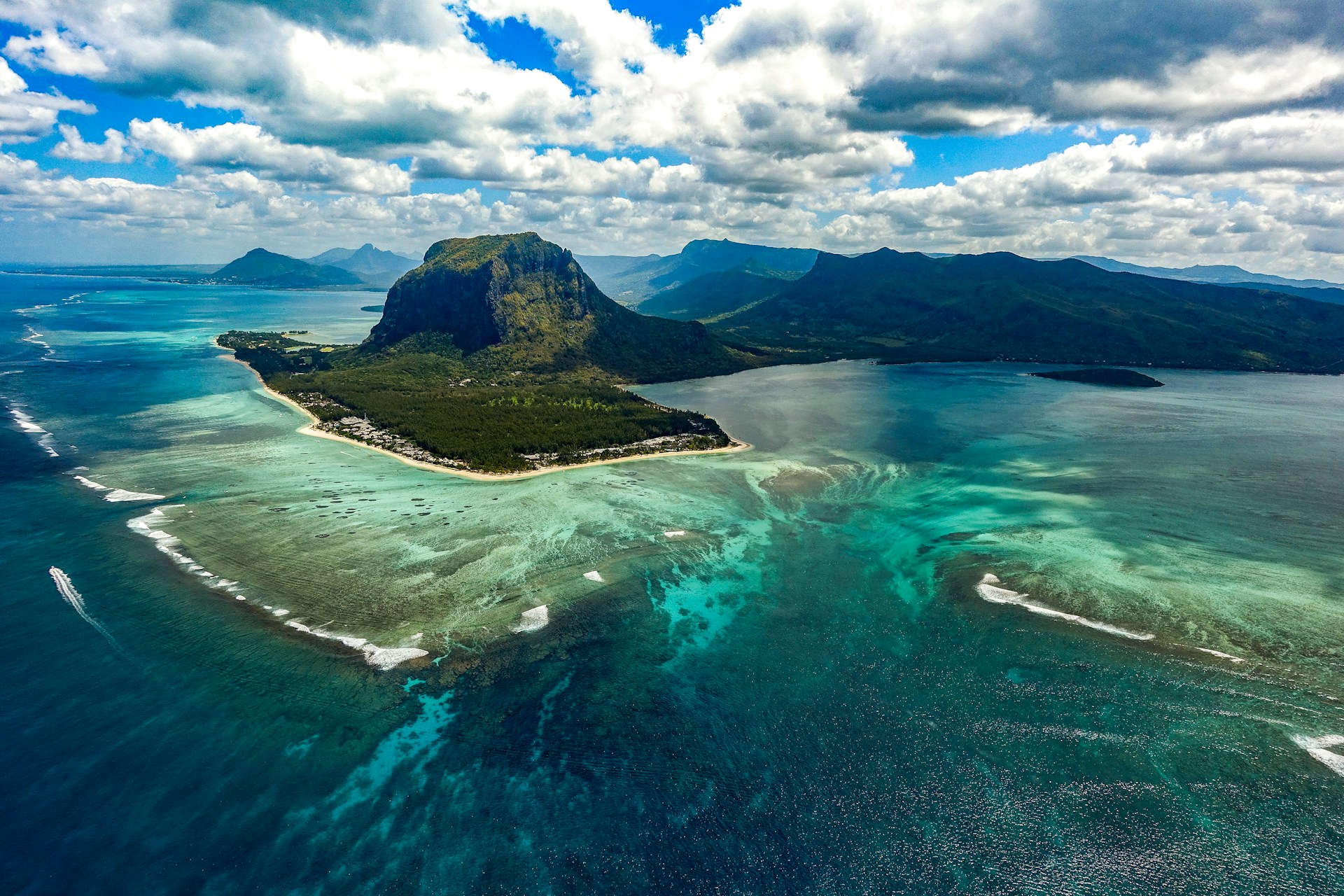
On the southwestern tip of the island stands the majestic Le Morne Brabant, a UNESCO World Heritage Site. This imposing basalt monolith is more than just a spectacular hiking spot; it is a profound cultural symbol. Historically, the mountain served as a refuge for runaway slaves (known as Maroons) during the 18th and early 19th centuries, a story that culminated tragically yet profoundly in its recognition as a monument to their struggle and freedom.
Just offshore from Le Morne lies one of Mauritius’s most bizarre and unforgettable sights: the “Underwater Waterfall.” This is not a real waterfall, but a breathtaking optical illusion. Currents of sand falling into a deep ocean trench create the appearance of a waterfall when viewed from the air, making a scenic helicopter or seaplane flight the only way to truly appreciate this natural phenomenon.
2. The Seven Coloured Earth of Chamarel
No trip inland is complete without a visit to the Chamarel Seven Coloured Earth Geopark. This geological curiosity features sand dunes composed of seven distinct colours—red, brown, violet, green, blue, purple, and yellow—all naturally forming due to the cooling of volcanic rock and the presence of mineral oxides. Near the geopark, the dramatic Chamarel Waterfall plunges over 200 feet into the gorge below, providing a picturesque contrast between lush greenery and raw geological power.
3. Black River Gorges National Park
For hikers and birding enthusiasts, the Black River Gorges National Park is the island’s essential green lung. As Mauritius’s largest national park, it serves as a critical sanctuary for the island’s remaining endemic species. This is where dedicated conservation efforts have brought several species back from the brink of extinction, including the iconic Pink Pigeon and the Mauritius Kestrel. Trekking through the Gorges offers stunning viewpoints and a chance to experience the dense, humid forest far removed from the coastal resorts.
The Cultural Melting Pot: A Symphony of History and Heritage
Mauritius’s history is a turbulent yet beautiful story of successive European colonizers (Dutch, French, British) who brought in laborers from Africa (slavery) and India, China, and Southeast Asia (indentured labor). The result is a vibrant Rainbow Nation where different cultures and faiths exist in remarkable harmony.
The Sacred and the Symbolic
The island’s cultural depth is immediately apparent in its religious sites. The Ganga Talao (Grand Bassin) is a sacred crater lake revered by the Hindu community. Flanked by towering, vibrant statues of Hindu deities like Shiva and Durga Mata, it is a powerful spiritual site that draws pilgrims from across the nation.
In Port Louis, the capital, you can visit the Aapravasi Ghat, another UNESCO World Heritage Site. This immigration depot was the first place to host the “Great Experiment” of indentured labor, receiving hundreds of thousands of workers, predominantly from India, to replace enslaved Africans on the sugar plantations. It stands as a solemn monument to the genesis of modern Mauritian society.
Language and Identity
While English is the official language of government and administration, the heart of Mauritian communication lies in Mauritian Creole. This French-based language is spoken by the vast majority of the population, reflecting the enduring legacy of the French colonial era and the ingenuity of the island’s diverse inhabitants in forging a common tongue.
The Culinary Journey: A Flavorful Fusion
Mauritian cuisine is the most delicious testament to its multicultural heritage—a true “cooking pot” blending Indian spices, Chinese techniques, French sauces, and African traditions.
The Street Food Icons
The undisputed king of Mauritian street food is the Dholl Puri. These soft, thin flatbreads, made from ground yellow split peas, are served hot, wrapped around a delicious medley of cari gros pois (big pea curry), satini (chutney), and a fiery mazavarou (chili paste). It is an affordable, ubiquitous, and utterly addictive snack. If you want to try making this dish at home, check out this Dholl Puri recipe and guide.
You must also try:
- Gateaux Piment (Chilli Cakes): Deep-fried yellow split pea fritters, crispy on the outside and spicy on the inside.
- Rougaille: A Creole tomato-based stew, infused with garlic, onions, ginger, and thyme, often served with seafood, chicken, or sausage.
- Bol Renversé (“Upside-Down Bowl”): A popular Sino-Mauritian dish featuring rice topped with stir-fried vegetables, meat or seafood, and a fried egg, all layered and flipped before serving.
- Alouda: A creamy, refreshing drink similar to falooda, made with milk, basil seeds, and flavored syrup.
Indulge and Explore: Essential Coastal Experiences
Finally, we arrive at the renowned coastlines. The lagoons of Mauritius are protected by the third-largest coral reef system in the world, creating miles of calm, crystal-clear water perfect for activities.
Must-Visit Beaches & Activities:
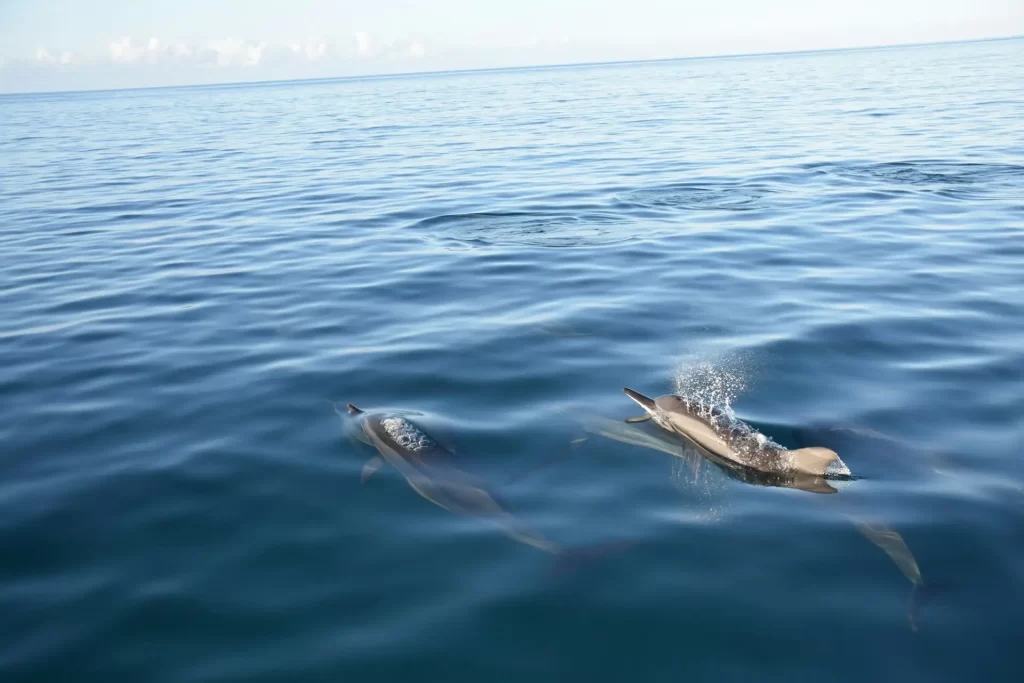
- Flic en Flac (West Coast): Famous for its long stretch of white sand and spectacular sunsets, this is a prime spot for dolphin-watching excursions.
- Île aux Cerfs (East Coast): A small, uninhabited island known for its pristine beaches and fantastic water sports, especially parasailing and waterskiing.
- Blue Bay (Southeast Coast): Home to the Blue Bay Marine Park, this is one of the best spots on the island for snorkeling and viewing vibrant coral reefs teeming with marine life.
- Kite Surfing at Le Morne: The lagoon at the foot of Le Morne offers consistent winds, making it a world-class destination for kite surfing for all skill levels.
- Rum and Tea: Head to the interior to visit the Bois Chéri Tea Plantation for a scenic tasting, or tour the Chamarel Rum Distillery to sample some of the island’s best sugarcane spirits.
Mauritius is a world unto itself. It is a place where you can spend the morning hiking a dramatic mountain, the afternoon exploring a sacred site, and the evening relaxing on a beach with a plate of the world’s most interesting street food. This island truly lives up to its paradisiacal reputation, inviting every traveler to explore beyond the edge of the lagoon.
Sources used for this guide include information on UNESCO World Heritage Sites (Le Morne Brabant, Aapravasi Ghat), endemic wildlife (Pink Pigeon, Mauritius Kestrel), and traditional Mauritian cuisine (Dholl Puri, Rougaille, Bol Renversé).