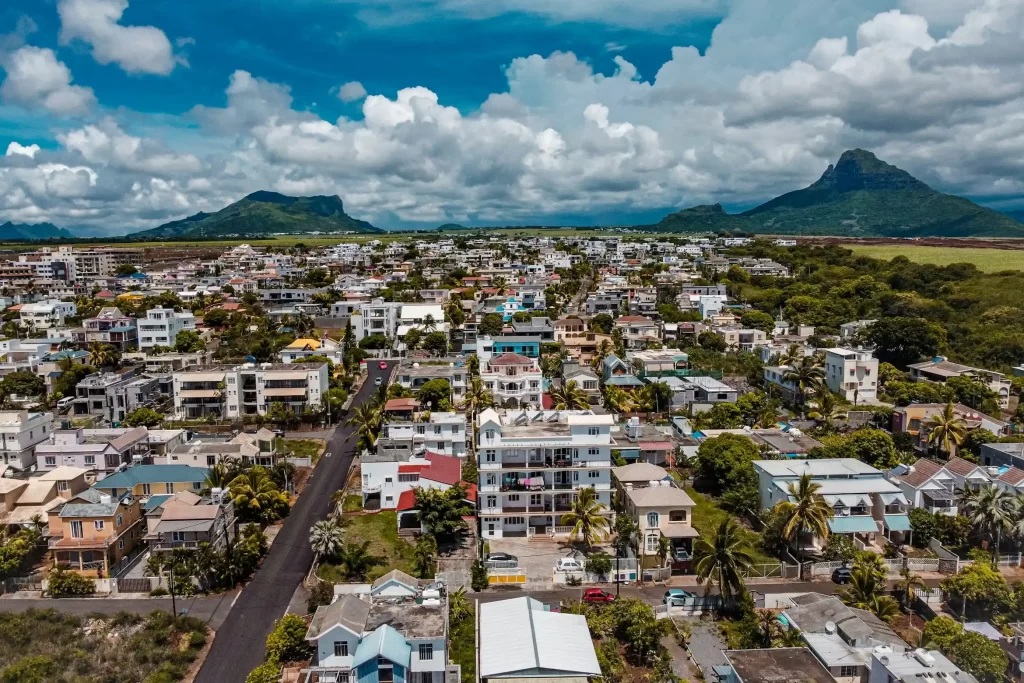
So, you have decided to move to our paradise island. Felicitation (congratulations)! You have packed your swimsuit, your sunscreen, and hopefully your patience because now comes the fun part: adulting. Specifically, financial adulting.
Whether you are here to work, retire, or just live your best life, you are going to need a place to stash your larzent (money). Keeping it under your mattress is not recommended, mainly because the humidity here will turn your cash into compost.

The good news is that opening a bank account in Mauritius is very doable. The banks here are modern, efficient, and they actually want your business. However, they are also very strict about KYC (Know Your Customer) and AML (Anti-Money Laundering) rules. This means you cannot just walk in with a smile and a handshake. You need to be prepared.
Here is your practical, step-by-step guide to navigating the banking jungle without getting bitten.
Contents
1. Can Expats Open Bank Accounts in Mauritius?
The short answer is: Yes.
The long answer is: Yes, but it depends on who you are.
Resident Foreigners
If you are living and working here with a Residence Permit or an Occupation Permit, the process is straightforward. You are treated very similarly to a Mauritian citizen. You can get a standard current account, a savings account, a debit card, and internet banking. You might even get a chequebook if you enjoy feeling like you are living in the 1990s.
Non-Resident Foreigners
If you do not live here but want an account for investments or offshore banking, it is still possible but much stricter. Banks often route you through their “private banking” arms. This usually requires a high minimum balance, often around USD 100,000 or more. If you have that kind of change in your pocket, the banks will roll out the red carpet for you.
If you are still sorting out your permits, check our guide on the Occupation Permit in Mauritius to make sure your paperwork is in order.
2. Choosing the Right Bank and Account Type
Mauritius has several solid retail banks that are used to dealing with expats. The “Big Two” are:
- MCB (Mauritius Commercial Bank): The largest bank with the most ATMs.
- SBM (State Bank of Mauritius): The second largest and very government-linked.
Other popular options for expats include Absa (formerly Barclays), Bank One, AfrAsia, and MauBank.

Common Account Types
- MUR Current Account: This is your daily driver. Use it for your salary, rent, and buying dholl puri.
- MUR Savings Account: Earns a little interest. Good for parking your emergency funds.
- Foreign Currency Account (FCY): You can hold accounts in USD, EUR, GBP, ZAR, etc. This is great for receiving money from abroad. Just note that you usually cannot deposit cash into these accounts; it has to be a bank transfer.
Pro Tip: Before you start, ask yourself: Are you a resident or a non-resident? And do you need a multi-currency account? Knowing this beforehand saves everyone a tet fer mal (headache).
3. Documents for Resident Expats
If you are moving here to live, you will open a standard personal account. Banks love paperwork, so give them what they want.
The Checklist:
- Passport: Original and a color copy. Make sure it is valid.
- Visa / Permit: Your Occupation Permit, Residence Permit, or the approval letter if it was just issued.
- Proof of Address: A recent utility bill (CEB, CWA, or Mauritius Telecom) from the last 3 months in your name.
- Problem: The bill is in your landlord’s name?
- Solution: Bring your lease contract and a copy of your landlord’s ID card.
- Proof of Income: Your employment contract or a letter from your employer stating your salary. Recent payslips help too.
- Bank Statements: Sometimes they ask for 6 months of statements from your bank back home.
- Reference Letter: A letter from your current bank saying you are a good person and not an international super-villain.
If you haven’t found a place to stay yet, read our article on Mauritius rent prices in 2025 to help you find a home so you can get that utility bill!

4. Documents for Non-Resident Accounts
If you are opening an account remotely or strictly for investment, the bar is higher.
- Physical Presence: Most banks want to see your face in Mauritius unless you go through a specific agent.
- Home Address: Proof of address from your home country (utility bill or bank statement).
- Source of Funds: Detailed evidence of where your money comes from. Tax returns, business financials, inheritance documents, etc.
- Bank Reference: Mandatory. They need to know you have been a good client elsewhere.
- CV: Yes, really. They might ask for a Curriculum Vitae to see your professional background.
Expect minimum balances to be high (USD 100k+). If you are looking to invest, you might want to read about how to invest in the Stock Exchange of Mauritius.
5. Step-by-Step Process (For Residents)
This is the standard path for most expats. Follow these steps to keep your sanity intact.
Step 1: Research
Look at MCB, SBM, and Absa. Check their websites for their specific “Become a Client” checklists. See what their fees are for international transfers because you will likely be moving money around.
Step 2: Prepare the “Pack”
Do not be that person who forgets one document. Print everything. Have digital copies ready on your phone. Bring your passport, your permit, your proof of address, your contract, and your bank statements. Over-prepare. It is better to have too much paper than to be sent home.
Step 3: Make an Appointment
Walk-ins are possible but risky. You might wait for hours. It is much better to book an appointment with a Relationship Manager. You can do this by email or phone.
Step 4: The Visit
Go to the branch. Smile. Be polite. You will fill out many forms asking about your tax residency (FATCA/CRS) and where your money comes from.
- They will ask detailed questions about your job.
- They will ask about expected transaction volumes.
- Just tell the truth. Consistency is key.
Step 5: The Waiting Game
Your file goes to the Compliance Team. This is the black box.
- Best case: Account opened in a few days.
- Normal case: 1-2 weeks.
- Big Bank case: Sometimes 4-5 weeks if your source of funds is complex.
Once approved, you get your IBAN, your debit card, and your internet banking login. Now you can finally pay for your internet bill online!
6. Can I Open an Account Before I Move?
Technically, yes, but it is mari difisil (very difficult) for a standard retail account.
Banks usually insist on meeting you in person. Remote opening is mostly reserved for private banking clients (the ones with the USD 100k minimum) or corporate structures. If you absolutely must open it remotely, you will likely need a specialized management company to introduce you, and that costs money.
Our Advice: Just arrive in Mauritius with all your documents. Use your foreign card for the first few weeks while you sort out the local account in person. It is much cheaper and less stressful.
7. What to Expect Once It Is Open
Congratulations, you are now banked in Mauritius!
- Debit Cards: You will get a Visa or MasterCard linked to your MUR account.
- Online Banking: The apps here are surprisingly good. You can do local transfers instantly (IPS) and international transfers easily.
- Fees: Standard retail accounts have low fees (MUR 100-200 per month for cards/services).
- Cash Deposits: Be careful depositing large amounts of cash (over MUR 500,000). You will need to prove where it came from. The banks are very strict on AML.
Once you have your card, you can start exploring. Why not drive to the north? Check out the best places to eat in Grand Baie and pay with your shiny new local card.
8. Tips to Avoid Pitfalls
- Over-prepare: Bring every document you have.
- Get a Reference Letter: Before you leave your home country, ask your current bank for a reference letter. It smooths things over with compliance here.
- Sort Your Lease: If your utility bill is in the landlord’s name, make sure you have a proper lease agreement. Banks check this.
- Be Patient: Do not plan your life assuming the account will be active in 48 hours. Give it time.
- Consistent Story: Make sure your CV, your application form, and your verbal answers all match. Discrepancies trigger red flags.
9. A Note on Business Accounts
If you are setting up a company here, that is a whole different ball game. You will need corporate documents, business plans, and full KYC on all directors. It is stricter than personal banking.
If you are here for work, check out our guide on working in Mauritius to understand the landscape better.
Conclusion
Opening a bank account in Mauritius requires a bit of paperwork, but it is a standard part of expat life. Go in prepared, be patient, and soon enough you will be tapping your card at the beach bar like a local.
And once you have your finances sorted, you can focus on the important things, like finding the Top 10 beaches in Mauritius to relax on.
External Links: