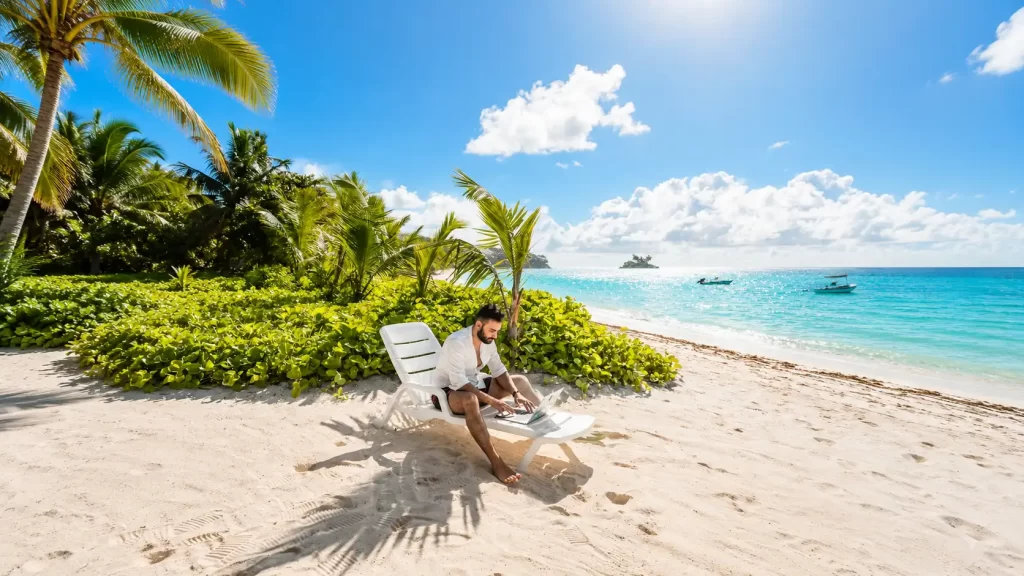
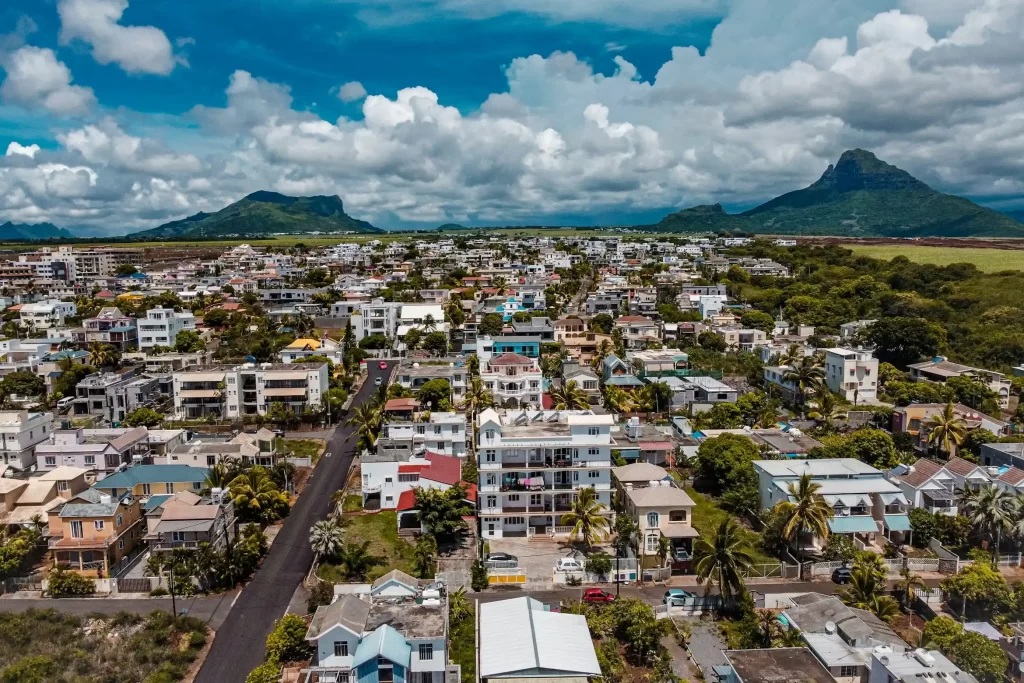
Mauritius has increasingly become an attractive destination for expats, remote workers, and families looking for a stable, medium-term base. Whether you are seeking temporary relocation to Mauritius due to regional uncertainty or simply want a reliable backup base, the island offers a secure environment.
With wide fibre coverage, a multilingual population, and a time zone that easily bridges Europe, Africa, the Middle East, and parts of Asia, it is a highly practical stable lifestyle option. If you are considering moving to Mauritius as an expat, this guide breaks down what to expect in 2026 regarding visas, real living costs, safety, and whether the Mauritius expat lifestyle is the right fit for your situation.

Quick Answer: Mauritius can be a good Plan B country for expats who want safety, reliable internet, remote-work visa options, good private healthcare, international schools and a slower island lifestyle. It is less suitable for people seeking very low living costs, big-city energy, extensive public transport or highly specialised healthcare.
Table of Contents
At a Glance
- Best for: remote workers, families, retirees, entrepreneurs
- Main visa options: Premium Visa, Occupation Permit, Retirement Permit
- Time zone: UTC+4
- Main expat areas: Grand Baie, Tamarin, Black River, Flic en Flac, Moka, Curepipe
- Best lifestyle fit: calm island life, outdoor activities, remote work, family living
- Biggest downsides: car dependence, imported-goods costs, school fees, cyclone season
- Typical stay type: 6 months to 2 years, depending on visa and personal situation
Is Mauritius a Good Plan B Country for Expats?
Yes, for many it is an excellent choice. Mauritius offers political stability and relative safety, which are key priorities for many expats considering a backup base. The island features strong internet infrastructure and specific Mauritius remote work visa options that cater directly to location-independent professionals.
With reputable international schools and solid private healthcare, it provides a soft landing for families. The multilingual environment (English, French, and Creole) makes administration manageable, while the outdoor lifestyle and practical time zone for overseas work are major draws. However, it is a practical but not cheap destination, meaning budgets need careful planning.
Who Mauritius Is Best For
Mauritius is an ideal destination for:
- Remote workers earning from overseas.
- Entrepreneurs and online business owners.
- Families wanting a safer, slower lifestyle.
- Retirees with stable income.
- People wanting a 6–12 month reset.
- People who want good internet and nature without a huge city.
Who Mauritius May Not Suit
When considering living in Mauritius pros and cons, expectations are everything. The island is not a good fit for:
- People looking for very low living costs.
- People who want a big-city lifestyle.
- People who depend fully on public transport.
- People who need highly specialised healthcare.
- People who want constant nightlife.
- People who dislike humid weather or cyclone season.
- People who need instant services and fast bureaucracy.
Visa Options for Expats and Remote Workers
Mauritius has clear legal pathways for foreigners to stay beyond the standard tourist allowance.
Disclaimer: Visa rules, income thresholds and permit conditions can change. Always confirm details with the Passport and Immigration Office or the Economic Development Board (EDB) before applying.
Tourist Visas
Many nationalities can receive a tourist visa on arrival, but travellers should check requirements before departure. Many tourists can stay up to 180 days per calendar year, depending on nationality and immigration approval. It is strictly for leisure; you cannot work locally on this visa.
The Mauritius Premium Visa
The Mauritius Premium Visa allows eligible non-citizens to stay in Mauritius for up to one year, with the possibility of renewal, while earning income from outside Mauritius.
- Income requirement: You generally need to prove an offshore income commonly cited as around $1,500 USD per month, plus additional income for dependents, but applicants should verify the latest threshold before applying.
- Work restrictions: You should not enter the Mauritian labour market or derive your main income from Mauritius unless you have the appropriate work or occupation permit.
Note: Mauritius has discussed or introduced new long-stay options (such as a two-year Golden Visa), so applicants should verify the latest rules with official authorities before applying.
Occupation Permit (OP)
If you want to work locally or start a business, the Occupation Permit is your primary route. It acts as a combined work and residence permit for three categories:
- Professionals: For employees with a local contract, with salary thresholds depending on the role and current regulations.
- Self-Employed: For service-sector freelancers who invest an initial sum and prove client intent.
- Investors: Requires an initial investment (often around $50,000 USD) and meeting specific five-year turnover targets.
Retirement Permit
Non-citizens over 50 can apply for a residence permit by transferring a minimum monthly sum, currently commonly cited as $2,000 USD per month, but this should be checked against official rules before applying. Roughly 180 days a year must be spent on the island.
How Much Money Do You Need to Live in Mauritius?
A common mistake when moving to Mauritius temporarily is assuming island life is inherently cheap. The overall cost of living in Mauritius is moderate to high, especially for expats maintaining a familiar Western lifestyle with cars, imported groceries, and private health cover.
Your monthly budget must account for rent, utilities, internet, groceries, eating out, car rental or ownership, health insurance, and an emergency buffer. For families, international school fees are a massive budget driver.
Estimated Monthly Budget Table
| Profile | Lifestyle | Estimated Monthly Budget | Main Cost Drivers |
|---|---|---|---|
| Single remote worker | Shared or modest coastal apartment, small rented car, coworking space | 65,000–90,000 MUR ($1,400–$1,900 USD) | Rent, car, imported food, coworking |
| Couple | 2-bed coastal apartment, one car, regular dining out | 95,000–140,000 MUR ($2,000–$3,000 USD) | Rent, car, health insurance, dining |
| Family of four | 3-bed house, one car, 2 kids in international school | 200,000–280,000 MUR ($4,600–$6,400 USD) | School fees, large rental, car, groceries |
| Retiree couple | Modest inland apartment, one car, comprehensive health cover | 75,000–110,000 MUR ($1,600–$2,400 USD) | Health insurance, rent, car |
Is Mauritius Safe for Expats?
Mauritius is generally safe by regional standards and boasts low violent crime compared with many countries. However, it is not immune to petty theft, and basic precautions are still needed. Avoid leaving valuables visible in cars and keep your belongings secure in crowded areas.
Women and families generally feel safe navigating the island during the day, but normal caution applies at night or in isolated areas. Everyday risks are often environmental or infrastructural: road safety is one of the bigger everyday risks due to narrow roads, wandering dogs, and variable driving styles. Additionally, cyclone season and heavy rain should be taken seriously.
Healthcare in Mauritius
Private healthcare in Mauritius is generally good for routine care, diagnostics and many specialist needs, but complex or highly specialised treatment may require care abroad (such as in South Africa or Europe).

The island operates a dual system. Public healthcare is free but often faces capacity constraints. Most expats rely on private clinics. Comprehensive health insurance is essential, and basic medication is widely available in local pharmacies. Retirees and people with chronic conditions should check specialist access before moving. For pricing estimates, see our guide on the cost of private clinics and specialists in Mauritius.
Is Mauritius Good for Expat Families?
Mauritius offers an excellent outdoor lifestyle, safety, and relatively easy healthcare access, making it highly attractive for families. There is a strong network of international and private schools offering IB, Cambridge, and French curricula in family-friendly areas.
However, transport and car dependence are high, and school fees vary widely. Parents should contact schools directly before relocating because fees, availability, curriculum and admission requirements vary. It is highly suitable for a 6–12 month relocation if you plan logistics early.
Best Places to Live in Mauritius for Expats
Choosing the right area is crucial when moving to Mauritius as an expat.
- Grand Baie: A busy northern hub. Pros: great restaurants, shopping, and networking. Cons: heavy traffic and premium rents. Rough rent: 50,000–90,000 MUR. Suits social expats and entrepreneurs.
- Pereybere / Mont Choisy: Quieter northern extensions of Grand Baie. Pros: excellent swimmable beaches. Cons: limited parking, premium pricing. Rough rent: 40,000–100,000 MUR. Suits couples and retirees.
- Tamarin: West-coast surf town. Pros: strong community, coworking spaces, sunsets. Cons: hotter climate, rising rents. Rough rent: 60,000–100,000 MUR. Suits digital nomads and active families.
- Black River: Coastal strip near the national park. Pros: marinas, nature access. Cons: car-dependent, traffic. Rough rent: 70,000–120,000 MUR. Suits families wanting secure estates.
- Flic en Flac: Large west-coast resort town. Pros: long beach, mid-range housing. Cons: busy on weekends, touristy. Rough rent: 35,000–70,000 MUR. Suits first-time expats and younger crowds.
- Moka: Planned, green central plateau district. Pros: near top private hospitals and schools, cooler weather. Cons: no beaches. Rough rent: 40,000–80,000 MUR. Suits professionals and families prioritising education.
- Curepipe: Cooler highland town. Pros: lower rents, highly local feel. Cons: damp weather, older housing, far from the beach. Rough rent: 20,000–40,000 MUR. Suits cost-conscious expats.
- Beau Bassin / Rose Hill: Densely populated central towns. Pros: strong local integration, good bus/metro links. Cons: congestion, little green space. Rough rent: 20,000–40,000 MUR. Suits commuters and budget-conscious families.
- Port Louis: The capital city. Pros: business access. Cons: hot, intense traffic, quiet at night. Rough rent: 25,000–50,000 MUR. Suits professionals needing a short commute.
Grand Baie vs Tamarin vs Moka: Which Area Is Better for Expats?
There is no universally “best” area. Grand Baie is better for nightlife, networking, and a bustling vibe. Tamarin is ideal for outdoor enthusiasts, surfers, and laid-back remote workers. Moka is the best choice for practical family living, avoiding coastal traffic, and being near top schools. The best area depends entirely on your lifestyle, budget, school needs, transport, and weather preference.
Moving to Mauritius as a Remote Worker or Expat
Mauritius for remote workers is highly practical. Operating on UTC+4, it offers excellent time zone compatibility with Europe, Africa, the Middle East and parts of Asia. You can comfortably handle remote work from overseas employers or clients without staying up until the early hours of the morning.
Internet reliability is strong, with wide fibre coverage. To ensure a seamless work-life balance, pick up a local SIM card for mobile data and set up backup internet. Power cuts and cyclone season preparation are part of island life; a small UPS for your router is a smart investment. Modern coworking spaces offer dedicated desks and meeting rooms for those who prefer an office environment.
Mauritius as a Temporary Base During Uncertain Times
For many, Mauritius can work as a medium-term base. It may suit people who want stability and distance from uncertainty in a calm environment.
However, it is not an emergency evacuation solution. Planning is still required for visas, housing, health insurance, schools and your budget. Visitors should not relocate without checking visa rules and personal obligations first.
Housing and Rentals
The rental market accommodates both short-term rentals (ideal for your first few weeks) and long-term rentals (usually 12-month leases). Most coastal expat homes come furnished, while unfurnished units are more common inland.
Expect to pay a security deposit (one to two months’ rent) and agency fees (usually one month’s rent). Utilities are rarely included in long-term leases.
Practical advice: Book temporary accommodation for the first 1–3 weeks, explore neighbourhoods in person, then commit to a longer rental. Viewing properties in person is critical for avoiding scams and ensuring the location isn’t next to a noisy road or in a flood-prone area.
Do You Need a Car in Mauritius?
Yes, many expats eventually need a car. While local buses are cheap, they are slow and limited in their routes. The Metro Express only covers certain central routes between Curepipe and Port Louis. Taxis and ride options may not be convenient or affordable for daily life. Be prepared that buying and registering a car in Mauritius (or renting one long-term) can be expensive, and local road conditions and driving styles may take some adjustment.
Common Mistakes Expats Make When Moving to Mauritius
- Underestimating total cost of living: Ignoring utilities, cars, and imported groceries.
- Relying only on tourist visas for long stays: This creates immigration friction.
- Signing a rental before seeing the area: Photos don’t show noise or humidity.
- Ignoring school fees: These are a massive budget driver for families.
- Not buying proper health insurance: Essential for accessing private clinics.
- Underestimating car dependence: Island life requires a vehicle for true mobility.
- Not preparing for cyclone season: Weathering a storm requires planning.
- Assuming island life is always cheap and simple: Bureaucracy exists here too.
- Ignoring tax residency and home-country obligations: Moving your laptop doesn’t erase your tax footprint.
Mauritius as a Plan B Country: Pros and Cons
Pros:
- Stable environment.
- Good internet.
- Remote-work visa options.
- Multilingual society.
- Private healthcare.
- International schools.
- Outdoor lifestyle.
- Relatively safe family environment.
- Practical time zone.
Cons:
- Not cheap.
- Car dependence.
- Imported goods are expensive.
- School fees can be high.
- Limited nightlife.
- Limited highly specialised healthcare.
- Bureaucracy can be slow.
- Cyclone season.
- Small-island feeling may not suit everyone.
Taxes and Legal Considerations
Immigration residency is not the same as tax residency. Remote workers may still owe tax in their home country. Tax rules depend heavily on the time spent in Mauritius, your income source, and your personal circumstances. Business owners and high earners should get professional advice from qualified tax consultants in both countries before relocating, especially if navigating the hidden costs of buying property in Mauritius.
Frequently Asked Questions
Is Mauritius a good Plan B country for expats? Yes, it offers political stability, a safe environment, strong internet, and clear remote-work visa options, making it a reliable medium-term base.
Can I work remotely from Mauritius? Yes, the Mauritius Premium Visa allows you to live on the island while earning income from overseas clients or employers.
Can I move to Mauritius temporarily? Yes, many people use the Premium Visa or tourist visa (for shorter stays) for a 6 to 12-month temporary relocation to Mauritius.
How long can foreigners stay in Mauritius? Many tourists can stay up to 180 days per calendar year. Remote workers on a Premium Visa can stay up to a year (renewable), and other permits offer multi-year residency.
Is Mauritius safe for expat families? Yes, it is generally safe with low violent crime. Standard precautions against petty theft and safe driving practices are recommended.
Is Mauritius expensive for expats? Yes, it is not a low-cost destination. While local food is cheap, private healthcare, international schools, cars, and imported goods make it relatively expensive.
What is the best area to live in Mauritius as an expat? Popular areas include Grand Baie for networking, Tamarin for surf and outdoor lifestyle, and Moka for central access to schools and hospitals.
Do expats need a car in Mauritius? Yes, public transport is limited and slow. A car is almost essential for a comfortable daily life.
Is healthcare good in Mauritius? Private healthcare is generally good for routine care and diagnostics, but highly specialised treatments may require medical evacuation abroad.
Can foreigners rent property in Mauritius? Yes, foreigners can easily rent short-term or long-term accommodation. A standard long-term lease is usually 12 months.
Is Mauritius good for retirees? Yes, the Retirement Permit allows those over 50 to reside in Mauritius provided they transfer a minimum of $2,000 USD monthly.
Is Mauritius good for digital nomads? Yes, thanks to wide fibre coverage, coworking spaces, and a time zone that aligns well with Europe, Africa, and the Middle East.
What are the main downsides of living in Mauritius? High costs for imported goods and schooling, heavy car dependence, limited nightlife, and the summer cyclone season.
How much money do you need per month to live in Mauritius? A single remote worker needs around $1,400–$1,900 USD, while a family of four will typically need $4,600–$6,400 USD monthly.
Can I work for a Mauritian company on a Premium Visa? No. To work for a local company or enter the Mauritian labour market, you must apply for an Occupation Permit.
The Verdict: Is Mauritius Your Plan B?
Mauritius is not the cheapest or busiest expat destination, but for remote workers, families, entrepreneurs and retirees looking for stability, reliable internet, good private services and a calmer island lifestyle, it can be a practical Plan B base.
The key is to plan realistically: check visa rules, budget properly, arrange health insurance, research neighbourhoods and understand the slower pace of island life before making the move. All visa, cost and residency details should be verified with official sources before making relocation decisions.
Official Sources & Useful Links
- Economic Development Board (EDB) – Visa and Residency Info
- Passport and Immigration Office Mauritius
- Mauritius Premium Visa Application
- Metro Express Mauritius