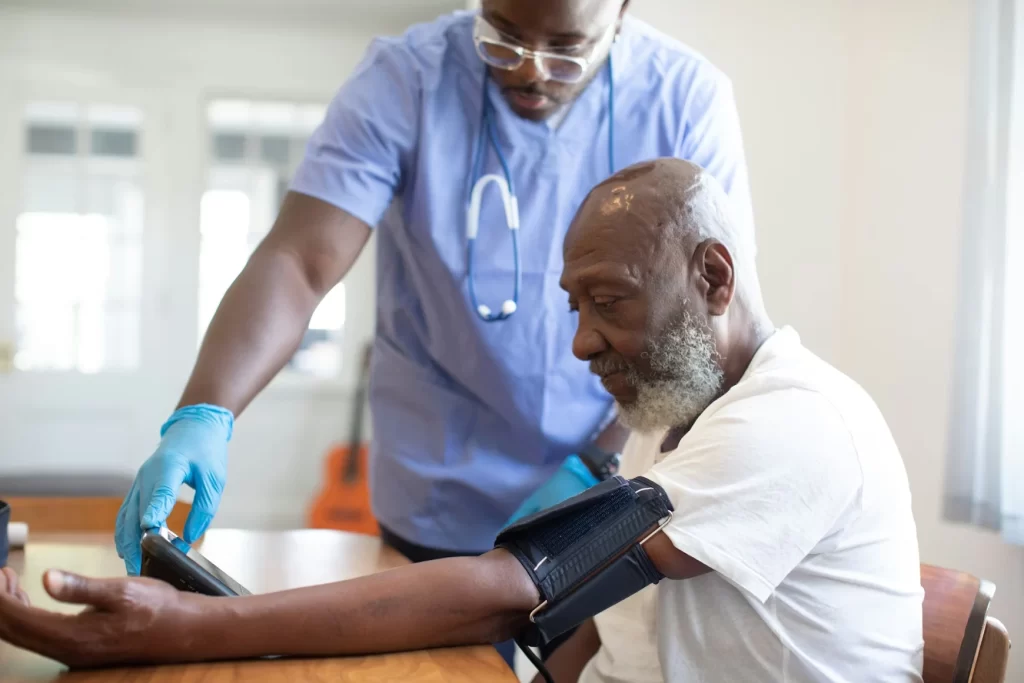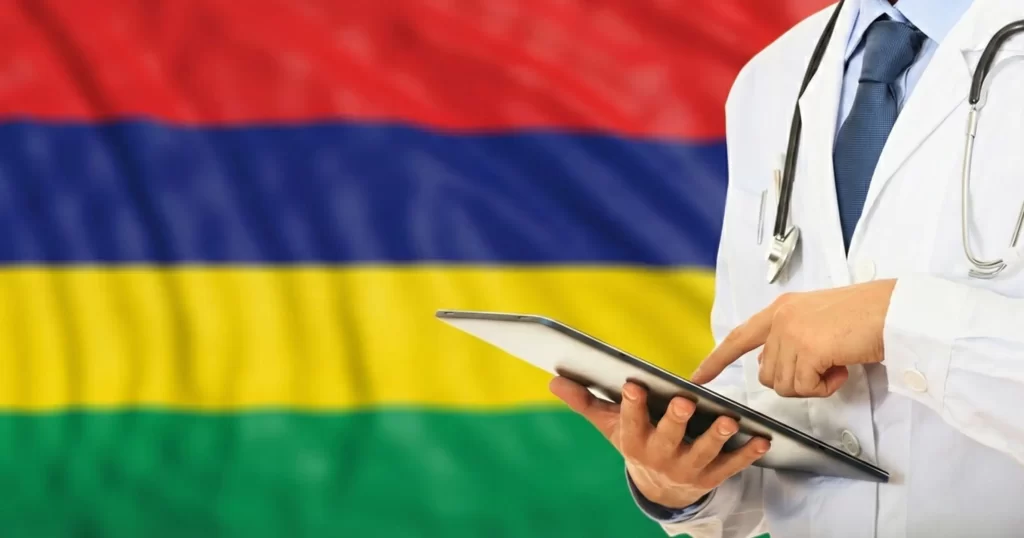
When you dream of Mauritius, you are probably picturing turquoise waters, sandy toes, and perhaps a cocktail served in a coconut. You are likely not daydreaming about stethoscopes, waiting rooms, or the Healthcare System in Mauritius. But life has a funny way of throwing curveballs, like a sudden fever after too much sun or a twisted ankle from an overenthusiastic beach volleyball match.
Knowing how the medical world works here is just as important as knowing where the best beaches are. Fortunately, the island is not just a pretty face; it has a robust infrastructure to keep you patching up and moving on. Whether you are an expat looking to move or a tourist worried about a tummy bug, understanding the Healthcare System in Mauritius is your safety net.

In this guide, we will dissect the public and private sectors, look at the costs that won’t give you a heart attack, and explore why this island is becoming a hub for medical tourism.
Contents
The Dual Nature of the Healthcare System in Mauritius
Mauritius operates a dual system. It is like having two lanes on a highway. One is free and open to everyone, and the other requires a toll but might get you there with a bit more legroom. This mix ensures that the Healthcare System in Mauritius caters to the entire population, from local fishermen to international CEOs.
The public sector is the heavy lifter here, handling about 73% of the island’s health needs. It is completely free for citizens and residents. Yes, you read that right. Free. The government funds this through taxation, showing a serious commitment to keeping the nation healthy. On the flip side, the private sector handles the remaining 23%, offering modern facilities and shorter waiting times for a fee.
Public Healthcare: Free and Accessible
The Ministry of Health and Wellness runs the public show. If you are a resident present on the island for at least six months a year, the Healthcare System in Mauritius opens its public doors to you without asking for a credit card.
The Major Players
The island is dotted with medical facilities. We are talking about 5 major regional hospitals and 6 specialized ones. If you are living in Mauritius with an Occupation Permit, you might find yourself near one of these key institutions:
- Sir Seewoosagur Ramgoolam National Hospital: Located in Pamplemousses, this is the big boss of public hospitals. With 563 beds, it has an intensive care unit that means business.
- Dr. A.G. Jeetoo Regional Hospital: If you are in the capital, Port Louis, this is your go-to spot.
- Victoria Regional Hospital: Situated in Vacoas-Phoenix, this facility serves the central plateau.
- Flacq Regional Hospital: Serving the east, this hospital has been standing since 1922. It has seen a lot of history and a lot of patients.
While the price tag of zero is appealing, the public Healthcare System in Mauritius does have its quirks. You might experience longer waiting times. It is a bit like waiting for a table at a popular restaurant; the service is there, but you are not the only one who wants it. Facilities can be busy, and you might share a room with other patients who love to chat.
The Private Healthcare System in Mauritius: Comfort and Speed
If you prefer your medical care with a side of privacy and speed, the private sector is where you will likely head. For many expats and visitors, this is the preferred route within the Healthcare System in Mauritius.
Private clinics here are modern, well-equipped, and generally faster. You won’t be reading a magazine from 2015 in the waiting room for hours.
Top Private Facilities
- Wellkin Hospital: Located in Moka, this is often cited as the largest private hospital. Established in 2009, it is the shiny flagship of private care with over 40 specialties. If you need a cardiologist or a neurosurgeon, they are likely here.
- Clinique Darné: A veteran in the game since 1953. It specializes in everything from oncology to gynecology.
- Clinique du Nord: Great for those in the north, handling thousands of patients a year.
These facilities offer international standards. Doctors often speak both English and French, which is a relief if your Creole is still at the “Bonjou” stage. Speaking of which, if you want to impress your doctor, why not take a few Creole lessons? A little local language goes a long way.
Understanding Costs in the Healthcare System in Mauritius
One of the biggest fears when traveling or moving abroad is the cost of getting sick. In many Western nations, a hospital visit requires a small loan. In the Healthcare System in Mauritius, things are relatively affordable.
The Price of Private Care
While public care is free, private care has a menu. Here is a rough idea of what you might pay in Mauritian Rupees (Rs):
- Standard Consultation: Expect to pay between Rs 1,500 and Rs 3,000 (€18 to €35).
- Specialist Consultation: This jumps to about Rs 2,500 to Rs 5,000 (€30 to €60).
- Hospitalization: A private room might cost Rs 3,000 to Rs 8,000 per day (€36 to €96).
If you are planning a family, maternity costs are also reasonable compared to global standards. A natural delivery might cost around Rs 45,000, while a C-section could range up to Rs 233,000. Considering the rent prices in Mauritius, the overall cost of living, including healthcare, remains attractive for many.
Insurance: Your Best Friend in the Healthcare System in Mauritius
If you are not a citizen, relying solely on your wallet is risky. Private health insurance is highly recommended. It acts as your VIP pass through the private Healthcare System in Mauritius.
For expats, international health insurance is the way to go. It covers private services and, crucially, emergency evacuation if you need care that the island cannot provide (though that is becoming rare).
- Student Insurance: Can start as low as €27 per month.
- Expatriate Insurance: Typically ranges from €93 to €120 per month.
French expats have a sweet deal with the Caisse des Français de l’Etranger (CFE), which connects with the French Social Security standards. Many private clinics have direct billing with insurance companies, so you don’t have to carry a suitcase of cash to the hospital.
Medical Tourism: A New Pillar of the Healthcare System in Mauritius
Here is a plot twist. People are not just coming here for the beaches anymore; they are coming for new hips and bright smiles. Mauritius is emerging as a medical tourism destination.
The Healthcare System in Mauritius offers treatments like orthopedic surgery, fertility procedures, and cosmetic surgery at a fraction of the cost of Europe or the US. Imagine recovering from a dental procedure while looking at the Indian Ocean. It certainly beats staring at a rainy street.
Packages often combine the surgery with flights and hotel accommodation. It is efficient and, dare we say, almost relaxing.
Practical Tips for Navigating the Healthcare System in Mauritius
To survive and thrive, you need to know the basics.
- Emergency Numbers: Memorize this. The ambulance is 114. For acute emergencies, you can also dial 999. Private ambulances exist but come with a fee.
- Vaccinations: You generally don’t need a shots card to enter unless you are coming from a yellow fever zone. However, keeping up to date with Hepatitis A and B is smart.
- Pharmacies: They are everywhere. Pharmacists are knowledgeable and can often give advice for minor ailments, saving you a doctor’s visit.
Conclusion: Is the Healthcare System in Mauritius Good?
The short answer is yes. The Healthcare System in Mauritius is robust, accessible, and continuously improving. It balances the inclusivity of public service with the efficiency of private enterprise.
Whether you are here to explore the best hikes in Mauritius and accidentally scrape your knee, or you are settling down for the long haul, you are in safe hands. The doctors are well-trained, often in Europe, and the facilities are modernizing rapidly.
So, go ahead and enjoy your papaya. Swim in the lagoon. Live your best island life. The Healthcare System in Mauritius has got your back if you ever need it. Just try not to need it too much.